


A long-awaited update to Jersey’s treasure law will introduce mandatory reporting of historic finds and clearer rules on ownership and rewards, if approved by politicians.
The Draft Heritage (Jersey) Law was lodged on Christmas Eve by Economic Development Minister Kirsten Morel and is scheduled for debate on 24 February 2026.
It seeks to replace what is described as an over-reliance on “Customary Law and voluntary reporting”, which “does not provide sufficient clarity or protection” for archaeological finds.
According to the accompanying report, Jersey’s archaeological heritage is described as “a vital part of the island’s identity, collective memory and a valuable resource for historical and scientific research”.
Deputy Morel warns that, without a statutory framework, important objects are “vulnerable to damage, dispersal, or private sale”.
The proposed law would require anyone who discovers an archaeological object to report it to Jersey Heritage within 14 days.
Failure to do so, or withholding information about where an object was found, would constitute a criminal offence.
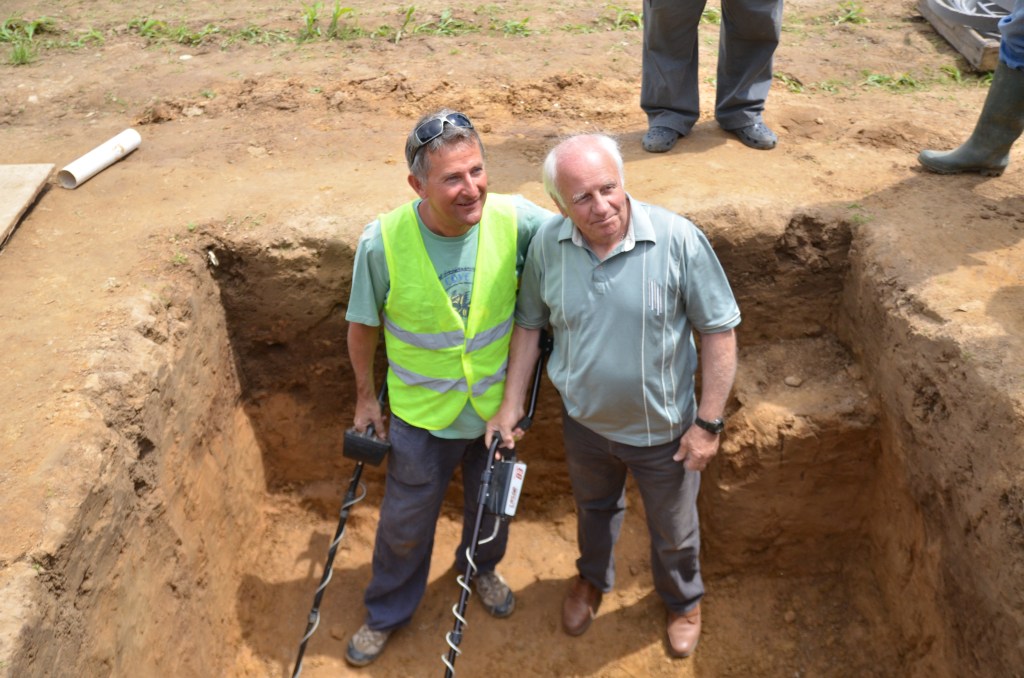
This provision would ensure finds are “properly recorded and assessed, safeguarding Jersey’s heritage”, according to the proposition.
The draft legislation defines an archaeological object as one created or modified by human activity that is at least 300 years old, or younger items of historical interest, including human remains.
Objects deemed to be of “exceptional cultural, archaeological, historical, or scientific significance” would be classified as Jersey National Antiquities and would become the property of the public.
The law would “introduce clear processes for reporting, ownership, and rewards, balancing the interests of finders, landowners, and the public”, according to the proposition.
A reward scheme is proposed for significant finds, to be shared between the finder and the landowner and linked to market value – although no reward would be paid for human remains.
The draft law would also put Jersey’s Historic Environment Record on a statutory footing and introduce a licensing system for intrusive archaeological excavations.
In a statement accompanying the proposition, Deputy Morel said the draft law would “close critical gaps” and help prevent future disputes over ownership.
The report adds that “there are no additional financial, save the potential level of rewards, or staffing implications” for the Government.
