

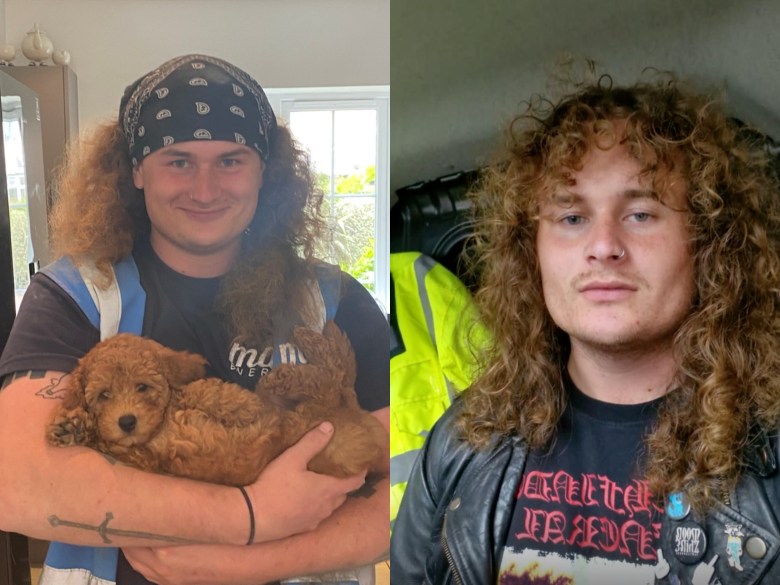
Mental health professionals and doctors missed multiple opportunities to reduce the risk of suicide in a young man who took his own life in 2024, an inquest has found.
Skateboarder Daniel Cram died in December 2024, aged 25. He was described as a popular young man with many friends, who liked heavy metal and also enjoyed surfing and skiing.
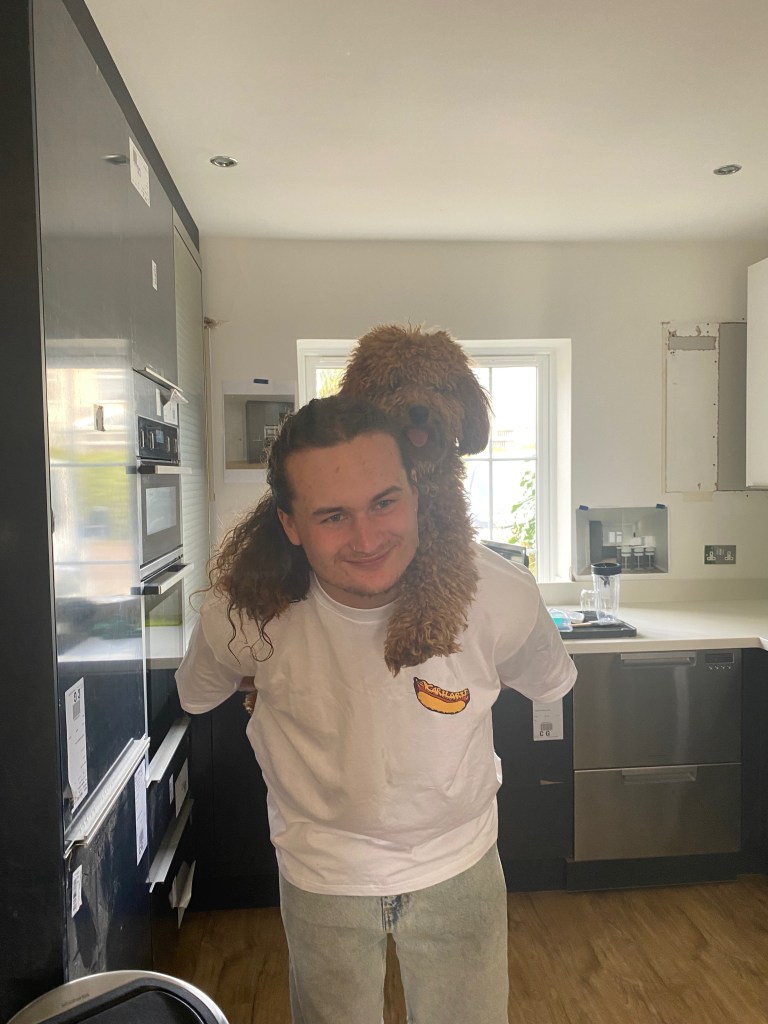
He had a history of mental health problems, including a previous suicide attempt.
His struggles intensified in 2024 when he was dealing with an ear infection that prevented him from surfing, and struggling with pressure to work long hours in his job as a plumber.
A two-day inquest into his death found that Daniel took his own life on 2 December 2024 at his family home in St Saviour.
In the ten days before his death, Daniel had three GP appointments and was referred to the mental health crisis and assessment team.
Deputy Viscount Matthew Berry, sitting as coroner, highlighted four missed opportunities to reduce risk.
Treated as a “lazy youth” by GP
The first missed opportunity was the initial GP appointment with locum GP Dr Andrew Summers.
Daniel’s mother Louise Cram told the inquest that Dr Summers had treated her son as a “lazy youth”.
But the GP said the appointment had focused on Daniel’s ear infection, rather than his mental health issues.
Advocate Berry said that, on balance, it was more likely than not that Daniel had told the GP about his previous history of mental health.
The appointment, the coroner said, “was therefore a missed opportunity” to prevent harm.
“Should have been prioritised as urgent”
Daniel’s mother made a second appointment with a different GP the next day as she still had concerns about her son.
This appointment with Dr Sean Ryan “was clearly a thorough one”, according to the coroner.
Dr Ryan was so concerned about Daniel that he called the crisis and assessment team during the appointment.

The team then spoke to the 25-year-old directly over the phone.
During the inquest, the assessor who spoke to Daniel said he was “open” – but his mother said the questions were closed and she only heard him give “yes” and “no” answers.
Daniel was categorised as “routine”, which is the lowest level of priority.
Advocate Berry said: “The reasons for triaging as ‘routine’ were not easy to discern.”
The inquest heard that this decision was mainly because of his ear being treated, the lack of an immediate plan, and Daniel feeling better about being referred.
“Even so, this decision was not correct,” the coroner said, “and [crisis and assessment team manager] Rebecca Brawley, [mental health director] Andy Weir, and [review author] Professor Catherine Kinane all agreed… completion of a full mental health assessment in Daniel’s case should have been prioritised as urgent.”
Advocate Berry added: “The way that the triage was conducted at the appointment on 23 November represented a further missed opportunity to intervene earlier to reduce the risk of completing suicide.”
Lack of cold call “another missed opportunity”
An in-person assessment meeting was booked for four days later.
A further missed opportunity came up when Daniel missed his mental health assessment, but Dr Ryan was not informed that the 25-year-old had not been in contact with the service.
“Had the GP been informed immediately before his consultation with Daniel, he could have raised his non-attendance with Daniel,” said Advocate Berry.
Six phone calls were made to Daniel after he missed the mental health assessment, but attempts to make an unannounced visit to his home were delayed – first because the multi-disciplinary team who would have discussed this did not meet at weekends, and then because staff were dealing with another crisis.

Advocate Berry said: “It appears that the decision to triage Daniel as routine, which was not revisited, meant that the delay in making a decision on the cold call was considered acceptable.
“The lack of cold call was another missed opportunity.”
Daniel did not make contact with anyone after 30 November and his sister found him dead on 2 December.
“Any loss of life in these circumstances is a terrible tragedy”
A Serious Incident Report made by Health following Daniel’s death made seven recommendations.
These included conducting a review of the crisis assessment team guidance if a patient fails to attend a planned appointment; assertively gathering information from family, carers and others for their views if they are accompanying patients to appointments; inviting GPs to safety huddles; and reaching out to the skateboard community to provide support.
The mental health service accepted all seven recommendations, the inquest heard, but had not acted on all of them yet.

Advocate Berry opted not to make a Prevention of Future Deaths report because he was told that the mental health service had already made a number of improvements.
Speaking after the inquest, mental health director Andy Weir said: “On behalf of Heath and Care Jersey, I would like to again offer my deepest sympathies to Mr Cram’s family and loved ones. Any loss of life in these circumstances is a terrible tragedy.
“We have accepted the findings of the Serious Incident Review and the external psychiatric report, and continue to work to improve and strengthen our services.”
“Keep asking for help if you don’t feel you are being heard”
Following the inquest, Daniel’s family and friends issued a statement, which said: “Today has been an incredibly difficult day for Danny’s family and everyone who loved him.
“First and foremost, we want people to remember Danny as a much-loved son, brother, grandson and friend. He was so much more than the circumstances of his death, and we miss him every single day.

“We are grateful to the coroner for conducting a thorough and respectful inquest, and to everyone who has treated Danny and our family with dignity throughout this process.
“The evidence heard has highlighted opportunities where things might have been done differently in the days before Danny died.
“We hope that every organisation involved will carefully reflect on the evidence presented and, where improvements can be made, ensure that lessons are learned.
“If changes are made that help protect even one other family from experiencing the pain we have lived through, that would be a lasting legacy for Danny.
“We also want anyone who is struggling with their mental health to hear one message above all else: please don’t suffer in silence. Speak to someone you trust. Contact your GP. Reach out to family or friends.
“Keep asking for help if you don’t feel you are being heard. Your life matters.”
SUPPORT…
Focus on Mental Illness: telephone 07797 710900 or email info@focusmi.org
Jersey Talking Therapies: JTT@health.gov.je or 445002
Mind Jersey: admin@mindjersey.org or 07829 933929
Listening Lounge: 866793 or counselling@listeninglounge.care
The Samaritans: call 116123
Papyrus: Call 0300 102 2470, text 88247, visit papyrus-uk.org, or email pat@papyrus-uk.org.
Mental health crisis team: Call 445290 at any time.
