

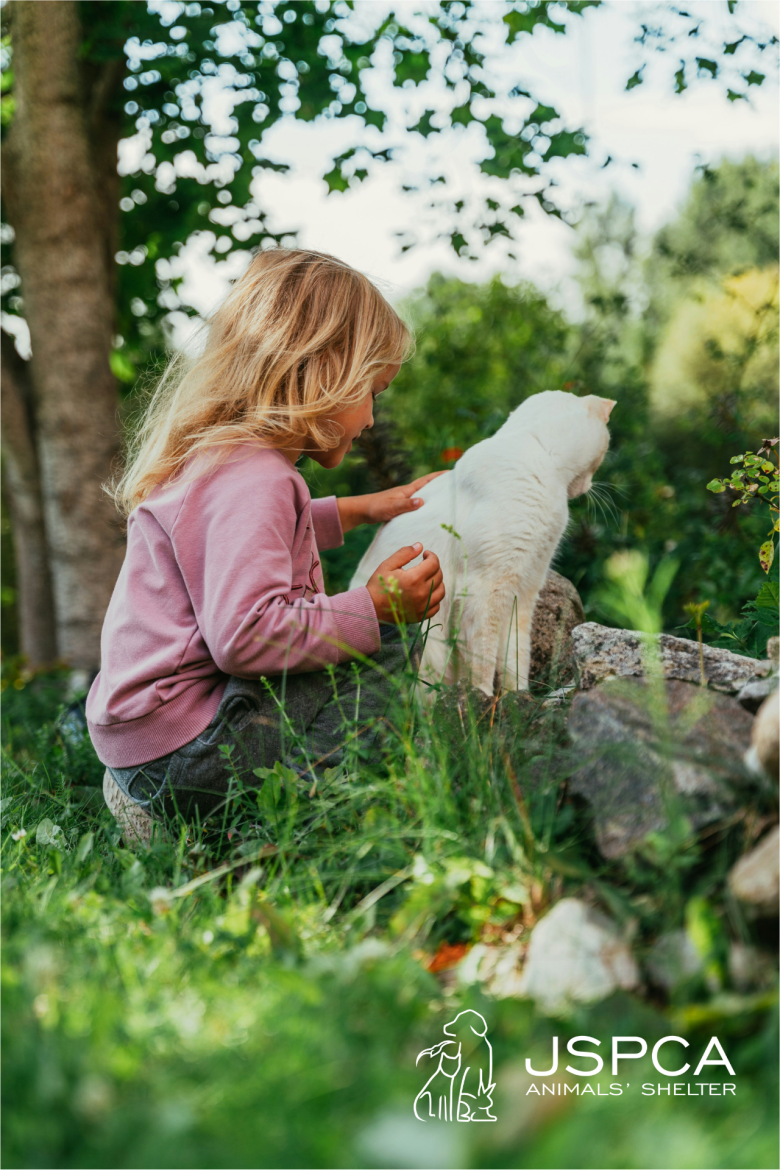
The JSPCA is asking parents and carers to spend just five minutes talking to children about how to behave around animals following several welfare concerns reported across Jersey this summer.
The charity said the concerns had involved both domestic animals and wildlife in a variety of situations.
While the circumstances differed, the JSPCA said they all highlighted the same message – animals need to be treated with kindness, patience and understanding.
Its advice to families is simple: “Kind hands. Quiet voices. Give them space.”
The charity said children were naturally curious about animals and would often want to approach, touch or play with them, but may not automatically recognise when an animal is frightened, stressed or uncomfortable.
Without guidance, children may not realise that chasing, cornering or repeatedly following an animal that is trying to get away can cause fear and distress.
Tracy Millington, animal welfare lead adviser at the JSPCA, said understanding how animals communicate was something children needed to be taught.
“Children don’t automatically know how animals communicate or when they need space. That’s something we teach them,” she said.
“A few simple conversations can help children understand an animal’s boundaries, recognise signs of fear or stress, and learn how to interact with animals safely and respectfully.”
The JSPCA stressed that its message was not about blaming children, parents or any particular communities.
Instead, it said the recent reports presented an opportunity to improve education and awareness, and to encourage positive conversations at home.
Parents are being encouraged to teach children to give animals enough space to move away and never to chase, corner or repeatedly follow an animal that is trying to leave.
Children should also be encouraged to handle animals gently and recognise signs that they are becoming frightened or uncomfortable.
The charity said it was important for children to understand that animals experience fear and stress too.
Learning to respect an animal’s boundaries can also help keep children safe as an animal that feels threatened, trapped or unable to escape may react defensively.
Ms Millington said the advice applied whether children were interacting with a family pet, encountering wildlife or coming across an animal while out and about.
“Every interaction is an opportunity to show kindness and respect,” she said.
“By helping children understand animal boundaries, we’re helping to keep both animals and children safe.”
The JSPCA said the campaign will encourage families across the Island to have conversations about animal welfare and help foster a more compassionate approach to Jersey’s animals.
