

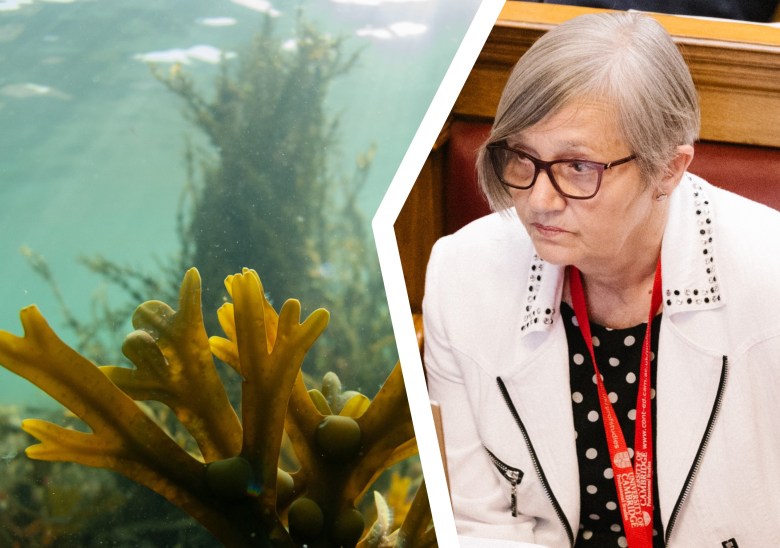
More than a fifth of Jersey’s territorial waters are now protected from dredging and trawling after a major expansion of the Island’s marine conservation zones came into force today.
The change – hailed as a “significant step” by new Environment Minister – means the protected area has jumped from just 6.5% to 21.7% – drawing new lines across Jersey’s seas where some of the fishing industry’s most disruptive practices can no longer take place.
It marks the culmination of efforts to expand the island’s network of Marine Protected Areas through the government’s Marine Spatial Plan process, which has included consultation with fishing industry representatives, environmental organisations and other marine users over the past three years.
These measures are evidence-led, have been developed through extensive consultation and form an important part of our long-term vision for the management of Jersey’s marine environment
Environment Minister Mary Le Hegarat
Senator Le Hegarat said: “Jersey’s seas are one of the Island’s greatest natural assets.”
She continued: “Expanding our Marine Protected Area network is a significant step towards protecting the habitats that support marine life, biodiversity and sustainable fisheries.
“These measures are evidence-led, have been developed through extensive consultation and form an important part of our long-term vision for the management of Jersey’s marine environment.”
What does being ‘protected’ actually mean?
The change does not mean fishing is banned across more than a fifth of Jersey’s waters.
Instead, the new Marine Protected Areas restrict mobile fishing gear which comes into contact with the seabed – including dredging and trawling – in an effort to prevent damage to sensitive habitats.

The government has stated that the protected habitats include “structurally complex zones” that act as nursery and feeding areas for commercially and ecologically important marine life.
Francis Binney, who leads the government’s Marine Resources team, said protecting those habitats was also intended to safeguard the future of Jersey’s fishing industry.
“A healthy marine environment and a successful fishing industry go hand in hand,” he said.
“Protecting important habitats today helps ensure that Jersey’s waters remain productive and biologically rich in the future.
“At the same time, we recognise the challenges facing the fishing industry and are committed to working with fishers to build a resilient and economically sustainable sector.”
Mr Binney said the expansion was “not about choosing between conservation and fishing”.
“It is about ensuring that Jersey continues to have both healthy seas and a successful fishing industry for decades to come,” he added.
