


A 17-year-old girl who died in her sleep after an epileptic seizure was the victim of a rare and little-understood complication, a coroner has ruled – finding that no medical failings contributed to her death.
A five-day inquest into the death of Daisy Stephenson, who had a severe form of drug-resistant epilepsy, heard she was found unresponsive in bed by her father on the morning of 19 May 2023 at the family’s home in Jersey.

Deputy Viscount Matt Berry, acting as coroner, concluded that Daisy died from Sudden Unexpected Death in Epilepsy (SUDEP) – despite the “best efforts” of her parents and the work of clinicians from Jersey, Southampton and Great Ormond Street.
The SUDEP diagnosis is used when a person with epilepsy dies suddenly and no other cause is found, and is thought to occur during or just after a seizure, often at night.
Advocate Berry described the diagnosis as a “less than satisfactory conclusion” due to the lack of medical understanding about what causes SUDEP – but concluded there was no evidence that any clinical decision or omission played a role in Diasy’s death.
“Amazing, funny and creative”
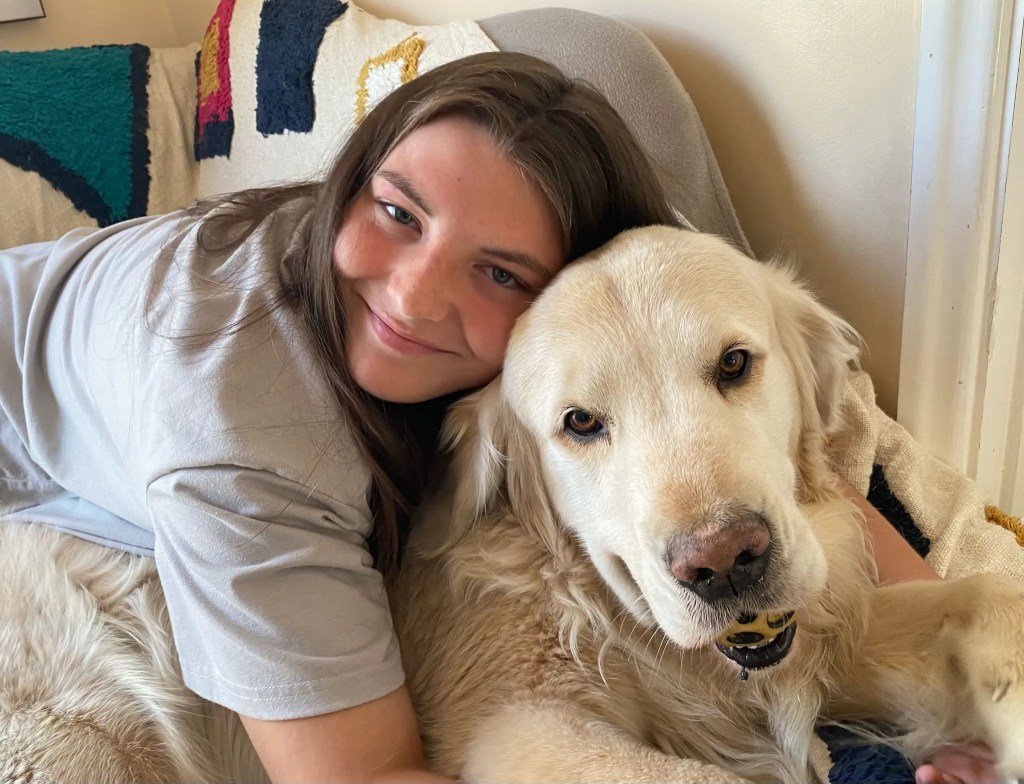
Speaking to Express after the conclusions were delivered, Daisy’s parents, Claire and Warren, paid tribute to their “amazing, funny and creative” daughter.
The family encouraged other parents of epilepsy sufferers to see beyond the diagnosis and treat their child as a whole person.
“Just try to normalise it as much as possible,” Mrs Stephenson said.
Risks of SUDEP and seizure alarms
The inquest heard that Daisy’s family were only told about the risk of SUDEP six weeks before she died – even though her seizures were becoming more frequent at night in the months before her death.
Dr Simon West, medical director for Health and Care Jersey, said information about SUDEP is now routinely given to families during their first consultation – a change welcomed by the Stephensons.
The family also called for seizure alarms to be routinely offered to families whose children have nocturnal seizures, saying that they were never offered such a device or told that charitable funding might have been available.

Throughout the week, however, multiple clinicians explained that current UK guidance does not recommend seizure monitors due to “crude” technology, false alarms, and limited evidence that they reduce the risk of SUDEP.
Mr Berry concluded that not being offered an alarm “did not contribute” to Daisy’s death, but said it was “an important issue to explore”.
“Having heard the weight of the evidence on this issue, I do not think I could conclude that the omission to provide an epilepsy alarm contributed to Daisy’s death,” he said.
Medication and transitions
Daisy’s parents also raised concerns about the number of changes to their daughter’s epilepsy medication in the months before her death, and whether this reflected poor care.
But clinicians agreed these were necessary in complex epilepsy cases, particularly when first-line treatments have failed.
Mr Berry said: “There were regular changes in medication. But there is no suggestion in the evidence that this was an indicator of sub-optimal medical care – indeed, perhaps the opposite.
“I do not think it would be safe to conclude, that it is more likely than not that any of the changes made in Daisy’s medication in the six months before her death contributed to her death by SUDEP, particularly as the mechanism of SUDEP remains poorly understood and the influence that changes in medication had on Daisy’s seizure activity cannot be quantified.”
He did, however, highlight gaps in the handover from the paediatric to adult neurology services during the final months of Daisy’s care.
While Daisy met with new clinicians, there was no full multi-disciplinary meeting between the doctors themselves.
“This is something that might helpfully receive further attention in the future,” the Deputy Viscount said.
Still, he said it was not possible to conclude that this had contributed to her death.
Ketogenic diet access “could be improved”
The inquest heard how the ketogenic diet – a high-fat, low-carbohydrate diet sometimes used for drug-resistant epilepsy – was considered as a possible form of treatment for Daisy.
However, Jersey does not offer the diet locally, and children must travel to Southampton, where it is overseen by specialists.
The Stephenson family called for a pathway in Jersey so that local children can access the diet without needing to travel, which they said was stressful for Daisy.

Dr West said only two children are currently on the diet in Jersey and that it remains a specialist, resource-intensive treatment not feasible to offer locally.
Asked whether initial assessments could be done remotely to ease the burden of travel, Dr West said he would explore the idea and added that post-Covid, some consultations may already be taking place online.
Advocate Berry said it may be helpful to ensure that the potential benefits of the diet are clearly explained to families early on.
“I would observe that it might be worth ensuring that patients are aware of the potential benefits,” he said.
Improvements underway
It was also explained during the inquest that, since Daisy’s death, Jersey has signed up to Epilepsy12, a national UK audit programme that measures how well epilepsy services are delivered and identifies areas for improvement.
The family also praised paediatric epilepsy nurse Emma Vibert, who supported them during Daisy’s final year and helped improve communication between services.
“Keep up the good work, Emma,” Mrs Stephenson said during the hearing.
“It really is important.”
Speaking after the inquest, Dr West offered his “sincere condolences” to Daisy’s family.
He added: “The inquest confirmed that the care provided by Health and Care Jersey met the appropriate standards expected.
“We always reflect after every inquest and remain committed to continually enhancing our services and ensuring the highest standards of care for all our patients.”
