

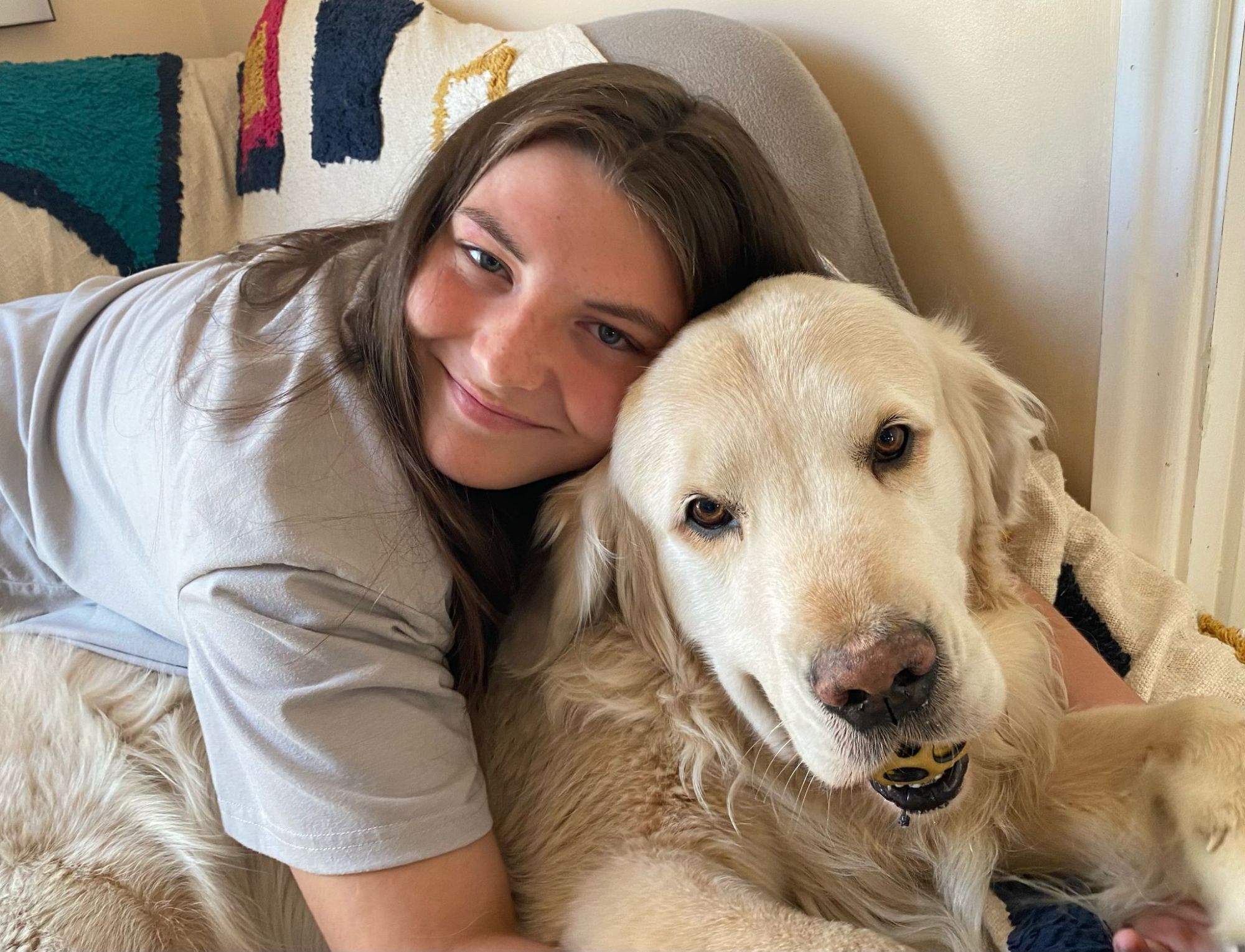
The inquest into the death of an epileptic teenager who passed away in her sleep following a seizure is due to conclude today.
Daisy Stephenson, who lived with a rare and drug-resistant form of epilepsy since childhood, died at home in May 2023.
The 17-year-old was under the care of clinicians in Jersey, Southampton and Great Ormond Street, and had tried around a dozen medications in the years before her death.
This week, the inquest at Morier House has heard evidence from her parents, Claire and Warren Stephenson, as well as a number of Jersey and UK-based clinicians involved in her care.
At the start of the hearing, Daisy’s family said they believed her condition had been poorly managed in Jersey and that the risks associated with her epilepsy, as well as the available support, had not been properly explained to them.
Cause of death
Multiple consultants – including Jersey paediatrician Dr David Lawrenson, Great Ormond Street’s Professor Helen Cross, and Southampton-based pathologist Dr Samantha Holden – concluded that the most likely cause of death was Sudden Unexpected Death in Epilepsy, or SUDEP.
The condition is used as a diagnosis when a person with epilepsy dies suddenly and no other cause can be found. It is thought to happen during or shortly after a seizure, often at night.

Daisy’s parents told the court they were not made aware of SUDEP until just six weeks before she died, despite her seizures becoming increasingly frequent at night.
“I’d rather have known,” Mrs Stephenson told the hearing – and argued that more open discussions should be held with patients going forward.
On Thursday, Jersey’s Medical Director Simon West said that information about SUDEP is now given to families during their first consultation, in the form of a written leaflet – a change welcomed by Daisy’s family.
Seizure alarms
The Stephensons also called for seizure alarms to be routinely offered to families where children have nocturnal seizures – which can be linked to SUDEP.
They said they were never offered an alarm – which may help detect prolonged seizures that go unnoticed at night – or told that charitable funding might be available to help cover the cost.
Throughout the week, clinicians explained that current UK guidelines do not recommend alarms due to their cost, inconsistent reliability, and limited evidence.
Dr Lawrenson described the devices – which detect movement or sound – as “crude”.
Professor Cross from Great Ormond Street, meanwhile, said: “We have not had a study to say ‘the use of alarms prevents SUDEP’.
“It is difficult to say whether it would’ve provided an opportunity to prevent Daisy’s death.”
Dr West confirmed that seizure alarms are not funded by the NHS due to cost, inconsistent reliability and a lack of evidence behind them, but said he hoped technology would improve in future.
Ketogenic diet
Throughout the week, the inquest heard how the ketogenic diet – a high-fat, low-carbohydrate diet sometimes used for drug-resistant epilepsy – was considered in Daisy’s case.
However, Jersey does not offer the diet locally, and children must travel to Southampton, where it is overseen by a specialist paediatric neurologist and dietitian.
Dr Jaspal Singh, a consultant paediatric neurologist from Southampton who regularly visits Jersey, said the diet could be “excellent” in some cases but carries risks and doesn’t work for everyone.
The Stephenson family have called for a pathway to be created so that children in Jersey can access the diet without needing to travel, which they said was especially stressful for Daisy.
Dr West confirmed that only two children in Jersey are currently on the diet, and that it remains a complex and specialist intervention which wouldn’t be practical to deliver locally.
He added that Daisy was turning 18 and would have aged out of the paediatric service before she could begin the programme.
Asked whether initial assessments could be done remotely to ease the burden of travel, Dr West said he would explore the idea and added that post-Covid, some consultations may already be taking place online.
Family support and nursing provision
Daisy’s parents said they felt “completely alone” during much of her care and only began to feel supported after Jersey appointed a paediatric epilepsy nurse in 2022.
Nurse Emma Vibert, who worked with Daisy in her final year, was praised by the family for making a significant difference in their daughter’s care.
“We felt completely alone and there was no help, not until Emma [Vibert] came along,” they said.
“Keep up the good work, Emma, because it is really important.”
And while calls for a dedicated epilepsy support group were made by the family throughout the week, Ms Vibert said she could not run one herself.
Dr West added that such groups were typically led by families and members of the public rather than being developed by Health.
Clinical oversight
The inquest also heard that Jersey has now signed up to Epilepsy12, a national UK audit programme that measures how well epilepsy services are delivered and helps identify areas for improvement.
Dr West said the island enrolled in 2024 and had started submitting data this year.
“Only around 80% of trusts within the UK are enrolled in that,” he said. “So in that sense, I think we are being progressive by signing up.”
The inquest is expected to conclude later today.
