
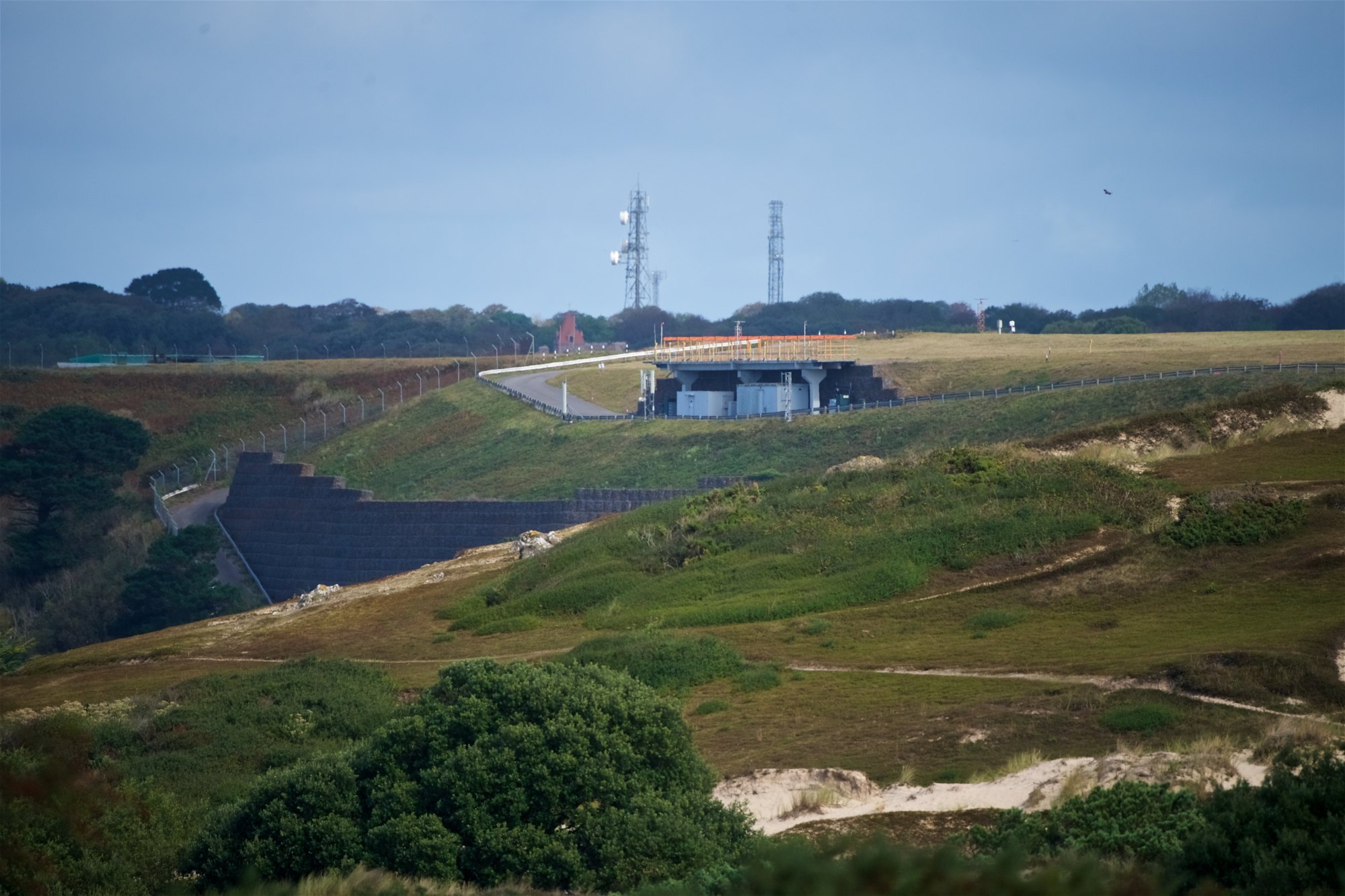

There has been a notable drop in the PFAS levels detected at the island’s sewage treatment works since the Airport had its licence to pump wastewater through the sewer network suspended, according to the Infrastructure Minister.
But, speaking during a hearing of the Environment, Housing and Infrastructure Scrutiny Panel yesterday, Constable Andy Jehan was unable to confirm where the water was now being sent.
The update comes just days after the government responded to the recommendations of an expert panel advising it on its response to the presence of PFAS in the island.
The scale of contamination stemming from the historical use of firefighting foams at Jersey Airport, containing the so-called “forever chemicals”, has been subject to extensive research.
We had low levels of PFAS at the sewage treatment works, and that has reduced by two-thirds since we stopped receiving water from the Airport
Infrastructure Minister Andy Jehan
A report released last year documented a PFAS “fingerprint” across the St Ouen’s Bay area and Pont Marquet catchments, stating that this was apparent in both ground and surface water as well as outfalls.
Jersey Airport’s fire-training ground was described as the “primary source area”.
In an update last month, Environment Minister Steve Luce said there is “no cause for concern” over PFAS levels in the island’s water supply, as he lodged proposals to limit the maximum amount of the toxic chemical to a third of its current level.
Discussions about potential treatment options have also been underway, with Jersey Water recently commenting on the potential cost of a new islandwide PFAS-treatment facility.
During yesterday’s hearing, panel member Constable David Johnson asked the Infrastructure Minister about long-term plans for managing levels.
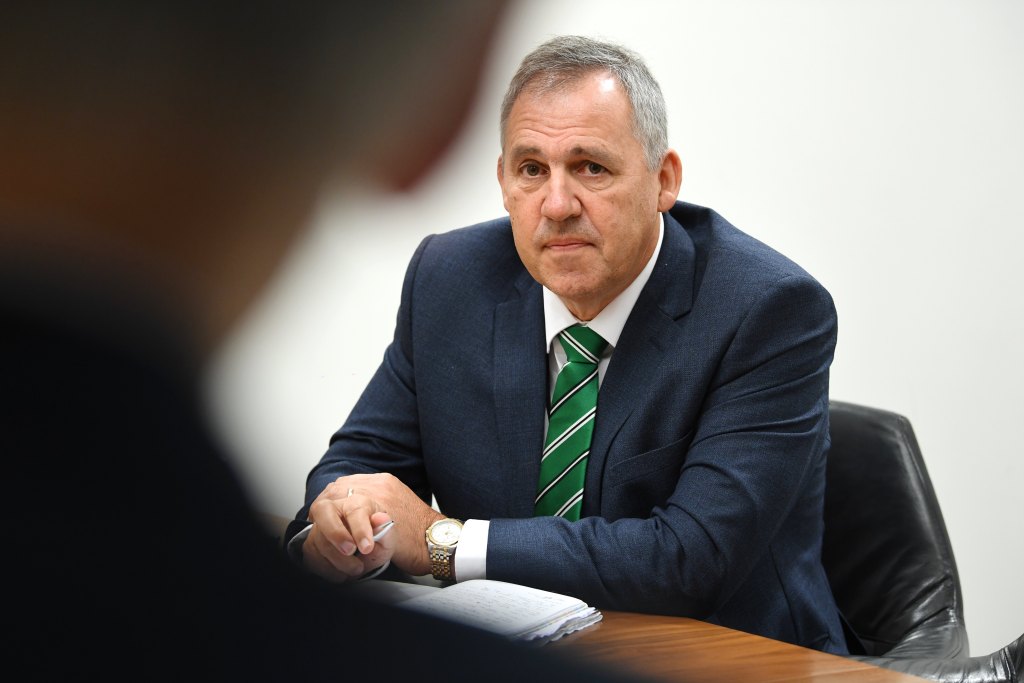
Constable Jehan said: “Let’s not forget that PFAS is found in food and a whole range of things, and water is just one element of that.”
He noted that: “We had low levels of PFAS at the sewage treatment works, and that has reduced by two-thirds since we stopped receiving water from the Airport. So I think that’s good.”
He continued: “We can’t stop monitoring, we need to continue to monitor and we also need to monitor the soil that we receive at La Collette, and that work is underway.
“But I think that the levels on the island are generally lower than what’s deemed to be acceptable levels, and it’s [about] what target can be set for the future.”
Panel chair Deputy Hilary Jeune asked the minister where the Airport wastewater was now going.
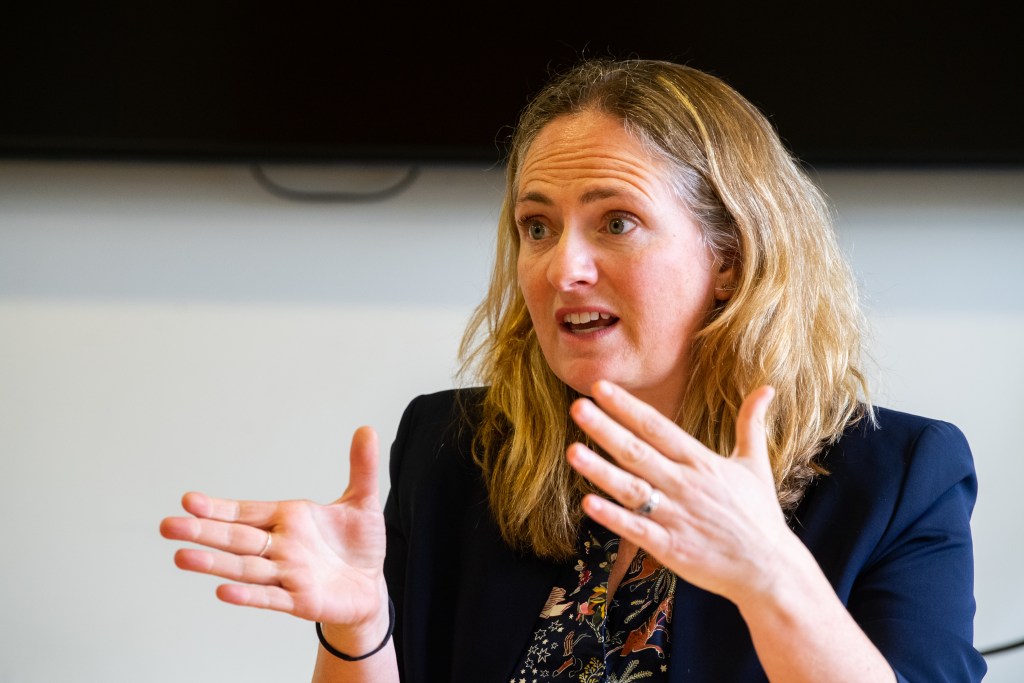
The minister said: “They did have a license to pump some of that water through the foul- sewer network and that licence has been suspended, I understand. I’ll have to go to my team to ask what is a good question, but I don’t know the answer.”
The department’s director of operations and transport, Ellen Littlechild, added: “That is a question I think for Ports of Jersey, so we can come back to you on that.”
A recap of the hearing posted on the States Assembly’s social media afterwards noted that: “The Airport had its licence to pump wastewater through the sewer network suspended due to PFAS levels, but the panel are concerned that there was no confirmation of where this water is now being sent.”
