

Should the Government pay for new infrastructure to remove all traces of PFAS from Jersey’s water? Or will water customers have to suck up bigger bills to fund infrastructure upgrades in future?
Those were the questions left hanging today after Environment Minister Steve Luce warned that upgrades at the island’s treatment plants could cost upwards of £20 million each – and explained that the Government and Jersey Water still haven’t decided who’s going to pay.
“If Jersey Water were charged with recouping all the cost… obviously the consumer will pay,” Deputy Luce said, “But… there must be a discussion to be had with Government.”
Campaigners have pointed to a multi-million dollar treatment plant in the north of Australia as a potential model solution for keeping the island’s PFAS levels in check in future. However, speaking during a hearing of the Environment, Housing and Infrastructure Scrutiny Panel this morning, Deputy Steve Luce stressed that decisions were yet to be made regarding the type of treatment that might be needed.
He noted that further reports on PFAS, which refers to chemicals historically used in firefighting foam at Jersey Airport, were due out later this year.
His comments come just a few weeks after Jersey Water pledged to work with the Government to find the best way to remove traces of PFAS from the island’s water supply after more than 1,000 islanders signed a petition calling for a dedicated treatment plant.
Jersey Water has been testing for PFAS since 1989, but has increased the level of testing by 75% over the past five years in response to increasing concern about the health impacts of exposure to PFAS locally and around the world.
We’ll worry about who pays for it at a later date, it may be – and I’m sure it will be – a discussion for government to have with Jersey Water
ENVIRONMENT MINISTER STEVE LUCE
Last year, an expert panel appointed to explore how Jersey should deal with PFAS published a paper linking exposure to cancer and cholesterol risk.
The island is currently 68% lower than the maximum permissible standard in the regulatory requirements for PFAS in drinking water set by the European Union (EU) and the UK’s Drinking Water Inspectorate – but the Minister has previously stated that he plans to bring forward new, tighter regulatory standards for PFAS in Jersey.
During today’s hearing, panel chair Deputy Hilary Jeune asked about comments made by Deputy Luce during last week’s States Assembly meeting regarding the potential cost of infrastructure changes needed for PFAS remediation.
He said could be around £20 million for each of the two treatment works currently in the island.
Deputy Luce explained that the figure was had been “banded around” in reference to “the type of cost – in a very roundabout way – for granular activated carbon treatment of the sort of size we might want”.
But he stressed that £20m was a “very rough approximation”.
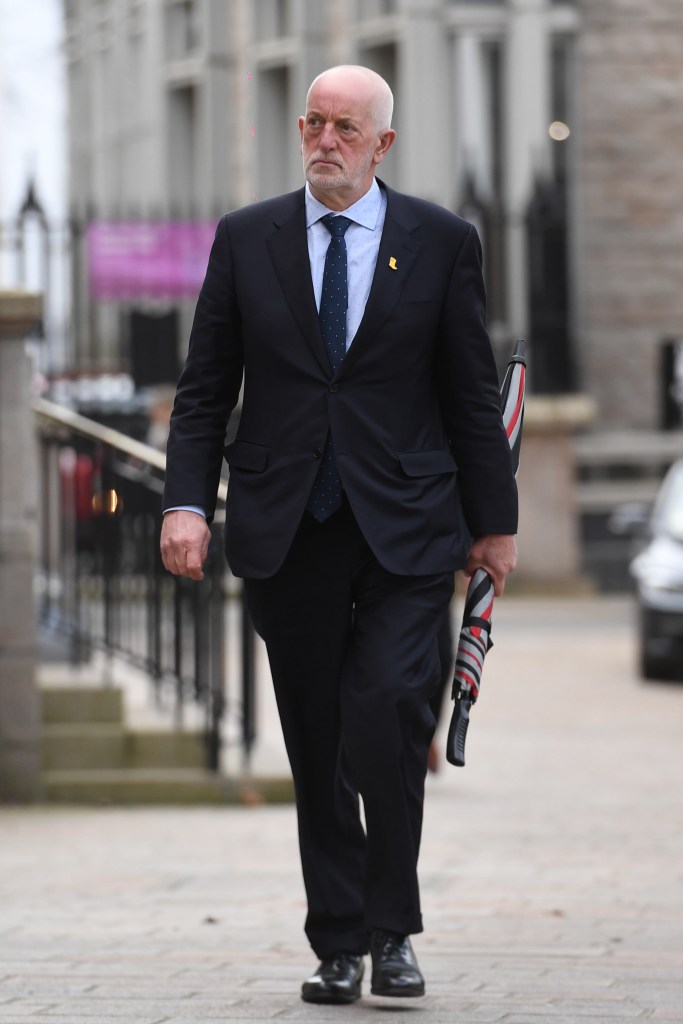
“We are not at a point yet where we know the treatment works we are going to need, we haven’t decided where they might go – the geography, geology, topography of the site that we might use could be hugely challenging,” he continued.
“There are other alternatives that I’m sure will come out and they could be more expensive.”
Deputy Jeune asked who Deputy Luce thought “should be paying for that £20m?”.
Deputy Luce replied: “That’s a very good question and I certainly have said to Jersey Water that the most important thing for me at the moment is to get the regulatory standards and start to work towards them as quickly as we can.
“I think I’ve said we’ll worry about who pays for it at a later date. It may be – and I’m sure it will be – a discussion for Government to have with Jersey Water.
“If Jersey Water were charged with recouping all the cost of those treatment works through their current billing system, obviously the consumer will pay.
“But I think there must be a discussion to be had with Government about how the funding of these very large infrastructure projects for the benefit of islanders should be dealt with.”
He added: “That will be for another day – I’m not trying to kick the can down the road, but I think there are a number of options where we can work with Jersey Water to see the best way forward for islanders.”
Kelly Whitehead, group director for regulation, noted that potential costs could be highlighted at a PFAS scientific panel meeting due to take place later today – at which Jersey Water is due to present water treatment options.
Follow Express for updates…
MORE ON PFAS…
Listen to our podcast with PFAS expert Dr Steve Hajioff…
Read more…



Something went wrong. Please refresh the page and/or try again.
