


The body, which is responsible for operating Jersey’s airport, harbour and marinas, said that it had sought to impose a “modest” 2% increase on the service fees they charge last year, but that the Jersey Competition and Regulatory Authority (JCRA) had disagreed.
The clash was revealed In their 2017 Annual Report, which showed that Ports made £46.2million in revenue and £11.5million in pre-tax profit last year, with 2.3million travellers through each of their gateways. In it, they criticised the regulator for refusing a tariff price rise in line with inflation (RPI), warning that it will “inevitably lead to a diminution of the level of investment and/or customer service that can be provided.”
“Against rising costs, despite efficiency improvements and an asset base requiring considerable investment, such a situation is unsustainable if we are to maintain and enhance our assets so that the people can continue to enjoy the use of modern and efficient services from [Ports of Jersey],” the report read.
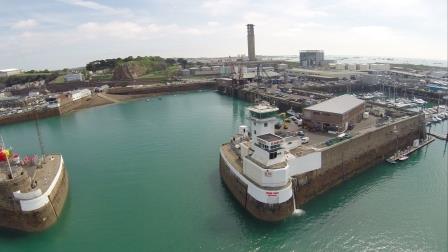
Pictured: Ports argued that not being allowed to increase prices was particularly damaging to the already struggling Harbour.
The price hike block was reported as having had a “disproportionate effect” on the island’s harbours, which saw passenger numbers decline by over 110,000 between 2015 and 2017 to 659,480, dropping revenue by around £0.2million. These challenges were slightly offset by “steady freight and fuel revenues”, with around 500,000 tonnes shipped last year.
Ports argued that the decision of JCRA – with whom they said they had “not forged as strong a relationship… as with our operational regulators” – went against the “core assumption” made when the Ports was formed that RPI increases were not only permissible, but “necessary to achieve the aim of financial self-sustainability whilst providing continuing service levels.”
The body also highlighted the fact that focus groups paid for by the States-funded JCRA provided similar feedback to that already gained by the Ports of Jersey through their own customer surveys on service quality. Further, they noted that a consultation on the matter undertaken by the JCRA received just three responses – one of which was from the Ports of Jersey themselves.

Pictured: 2017 in numbers for the Ports of Jersey.
Despite their disagreement, the two authorities will find themselves working more closely together in future – the regulator last week announced that it would be keeping a closer eye on the timely arrival and departure of flights, queueing time at security and the efficiency of the baggage handling process at the airport; punctuality at the harbour; and waiting times for new berths at the marinas.
Ports of Jersey nonetheless confirmed that discussions with the JCRA continue and that their “hope is that we can develop a workable regulatory model for the long term.”
Their annual report comments come as the JCRA – the Jersey branch of CICRA, the Channel Islands’ overall competition oversight authority – faces increasing political and public scrutiny.
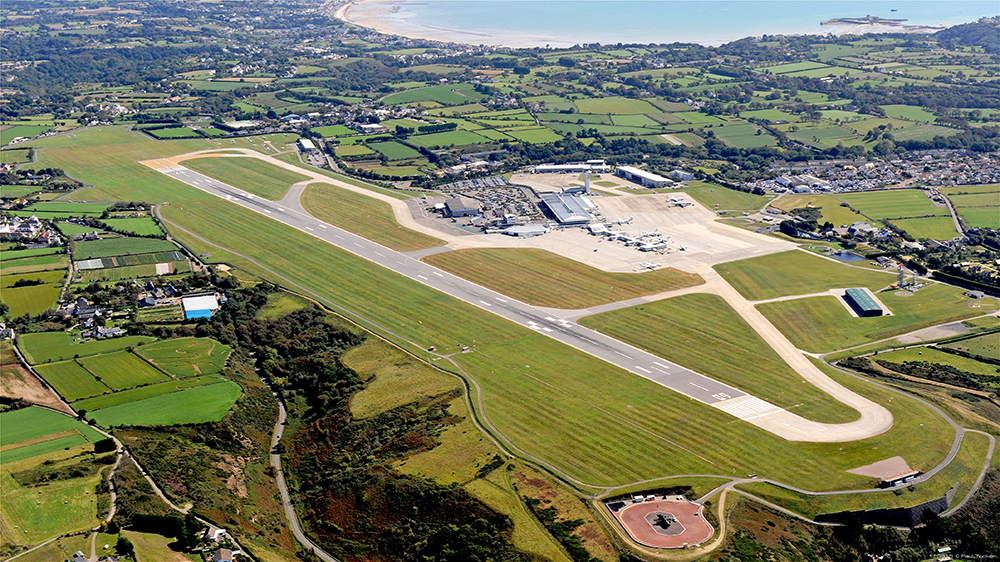
Pictured: The regulator last week announced new performance measures for Ports’ facilities, including checking on the promptness of flights.
This week a top UK barrister was appointed to investigate a decision they made about ATF Fuels, which was later overturned by the Royal Court. The litigation cost taxpayers’ £500,000.
