


A new report is being developed to examine Jersey’s unique and fragile underwater gardens that offer habitats for marine life, store carbon, and help fight climate change.
The joint study into the island’s maerl habitats by Société Jersiaise and the Government’s Environment Department will examine scientific literature, local research, and archival material to assess the ecological importance of the seaweed structure.
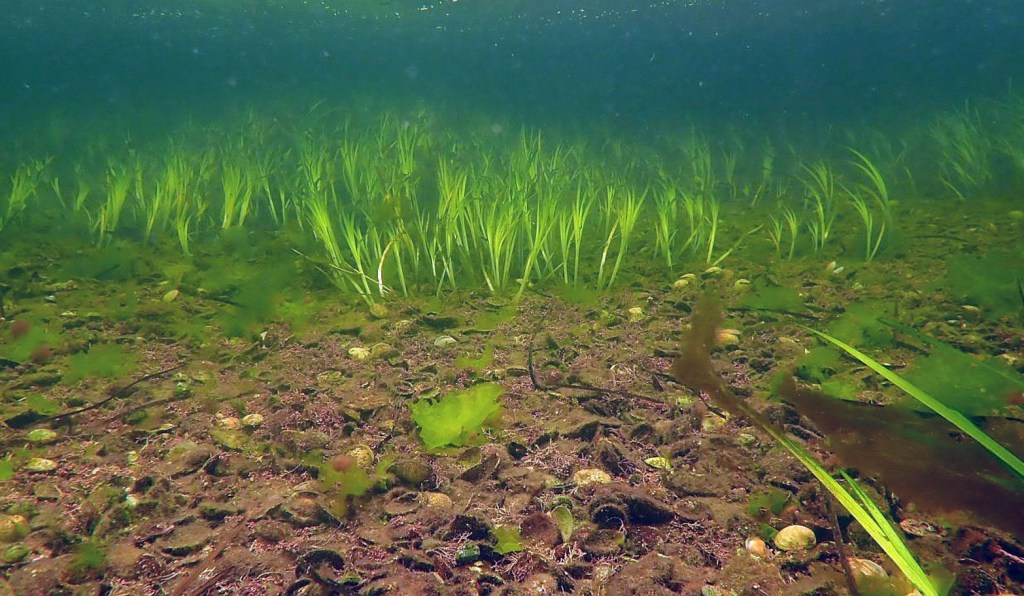
Funded by the Jersey Community Foundation through the Channel Islands Lottery, the maerl habitat report aims to identify gaps in knowledge to guide future monitoring and conservation of the “extraordinary habitat”.
Maerl is a type of slow-growing, calcified red seaweed that forms complex seabed structures present in Jersey’s offshore reefs.
Société Jersiaise CEO Rebecca J Bailhache said she was “delighted” to collaborate on the project.
“This is aligned with the Société’s core mission to produce and facilitate research on the Island’s history, culture, language and environment,” she added.

The project comes after the States Assembly unanimously approved the island’s first Marine Spatial Plan last year.
That plan increased marine-protected areas – where dredging and trawling are banned – from 6% to 23% of Jersey’s waters.
The original draft of the plan, however, had proposed 27% of the island’s waters as protected areas – and the approved version seeing a 5% reduction.
Protection for maerl beds saw an even sharper reduction – from 88% in the draft to 33% in the approved plan.
