


The number of hours of specialist support provided to young children with additional needs has reached a record level in Jersey, despite the island’s declining birth rate – raising fresh questions about the “growing complexity” of special educational needs.
The figures were revealed in the Jersey Child Care Trust’s annual review, which showed that the charity delivered 30,786 hours of support through its Special Needs Inclusion Programme during 2025 – an increase of almost 2,000 hours on the previous year.
The rise came despite the charity supporting fewer children than in 2024. While 83 children received support last year, that figure fell to 69 in 2025, suggesting that the needs of those requiring help are becoming more intensive.
JCCT chair Phillip Callow said the figures reflected “the growing complexity of need” among young children attending private nurseries and pre-schools.
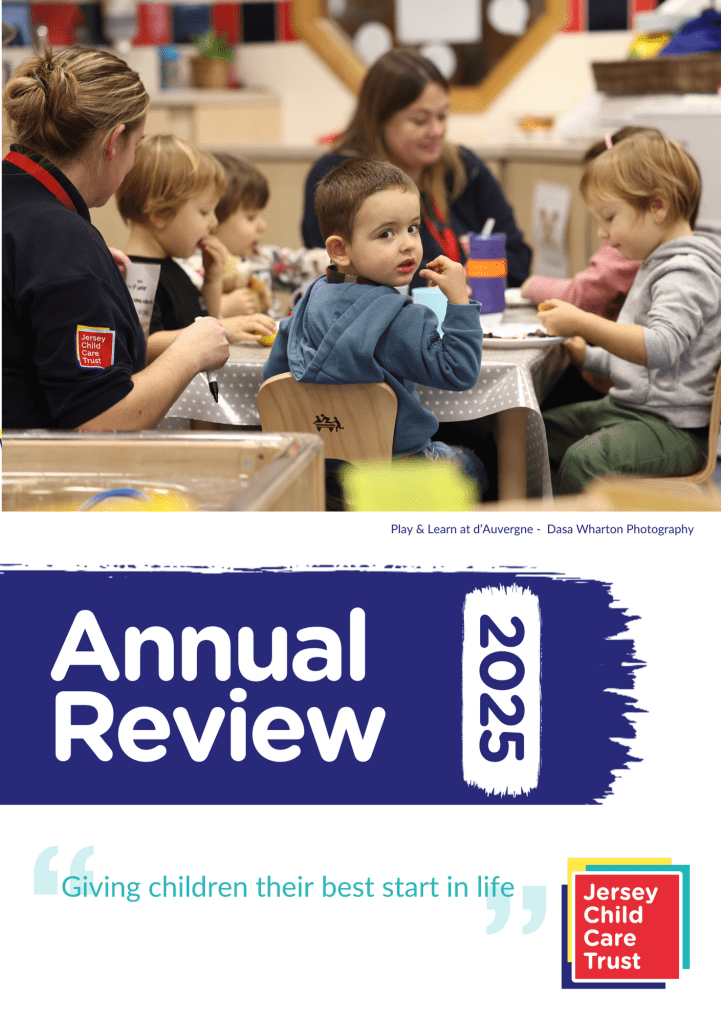
The programme provides specialist support to enable children with disabilities and additional needs to attend mainstream early-years settings.
According to the annual review, support was delivered across 23 nurseries and pre-schools during the year.
The increase comes against the backdrop of a wider debate about special educational needs and disabilities (SEND) provision in Jersey.
In a recent report published by Policy Centre Jersey, education specialist Peter Fekete argued that demand for SEND support is rising at a time when the island’s child population is shrinking.
Births in Jersey have fallen steadily from a peak of 1,008 in 2016 to 698 in 2025, while the number of children receiving formal SEND support has continued to grow.
Mr Fekete noted that the number of pupils with a Record of Need more than doubled between 2017 and 2024, while spending on special educational needs rose from £17.2 million in 2021 to almost £38 million in 2025.
“The rise in numbers cannot simply be explained by demographics,” he argued, suggesting that increasing identification of autism, speech and language difficulties, and social, emotional and mental health needs may be driving demand.
Mr Fekete added: “Jersey has many dedicated professionals working within the system, but the evidence suggests the pressures are continuing to intensify.
“My concern is that we are often responding to symptoms rather than addressing the underlying causes.
“The next Assembly has an opportunity to move this issue higher up the public agenda and develop a more coherent long-term approach.”
The findings mirror concerns raised in the 2025 Island SEND Review, which concluded that outcomes for children with SEND were inconsistent and that delays in identifying needs were contributing to higher costs and poorer experiences for families.
Mr Fekete warned that while SEND spending continues to rise, delays in identifying and addressing needs can lead to greater costs later in life – including poorer educational outcomes, reduced employment prospects and increased reliance on public support.
JCCT’s annual review also revealed that the government has commissioned the charity to provide early-years support for children with disabilities across all private nurseries and pre-schools.
