

A panel of politicians has heard how the island’s educational psychology service is facing a series of pressures – with just three qualified practitioners in post, a growing backlog of cases, and significant increases in spending on costly off-island locums and remote assessments to keep up with rising demand.
Education Minister Rob Ward and senior officers were this week questioned about the effectiveness of the educational psychology service, which plays an important role in assessing and supporting children with special educational needs.
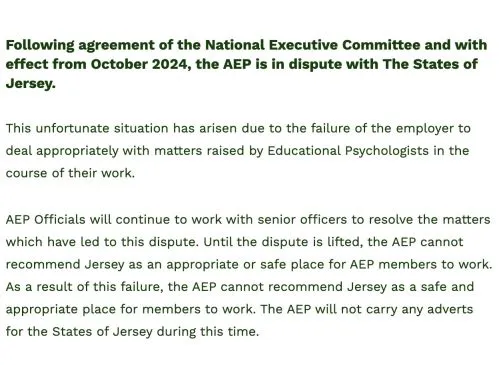
It comes months after a union branded Jersey an “unsafe” place for educational psychologists to work.
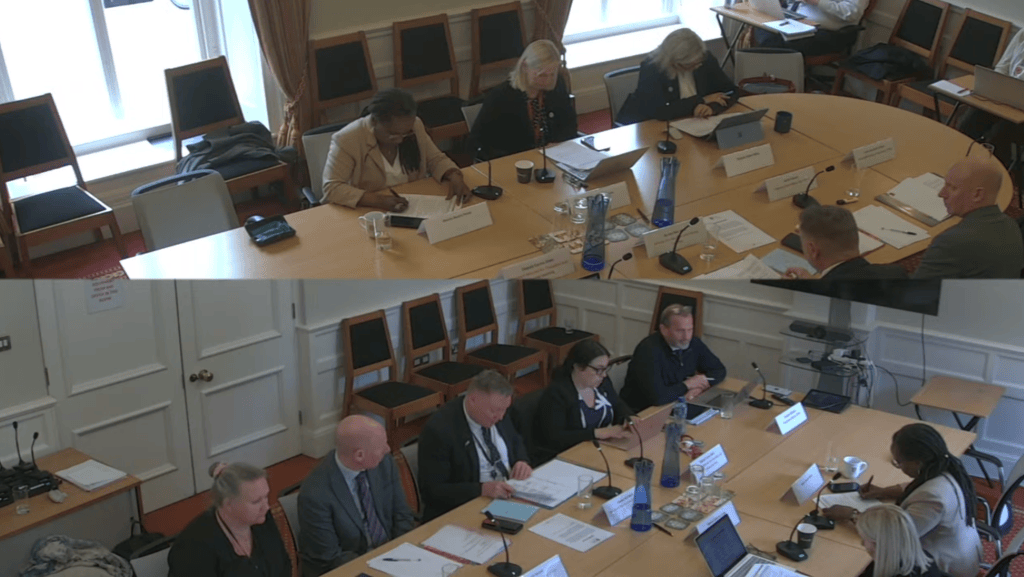
During a quarterly hearing with the Children, Education and Home Affairs Scrutiny Panel on Wednesday, officials confirmed that just two full-time educational psychologists are currently in post, alongside one part-time practitioner who works in the island two weeks per month.
They are supported by two assistant psychologists and a clinical psychologist working within the wider team.
Educational psychologists are responsible for assessing and identifying children’s learning and emotional needs from birth to 19 years old, and for facilitating discussions to consider support arrangements in schools, and demand for their services is growing.
So far this academic year, 155 requests have been made, with 97 completed and 44 still waiting.
The hearing also heard that 70 statutory assessments have been carried out this academic year, with 13 more due by the end of this month.
Temporary staffing costs
To help bridge the staffing gap, the government has increasingly relied on costly temporary staff.
In 2021, the bill for locums stood at just over £40,000. By 2024, it had jumped fourfold to £174,000 – not including travel or accommodation.
So far this year, £54,115 has already been spent on temporary staff.
Defending this spending, Deputy Ward said: “It’s not where we want to be, but in order to keep the service going… that money has to be spent at this moment in time.”
The Panel also heard that “off-island psychologists” have this academic year handled 35 early years assessments remotely via video calls.
Meanwhile, a request made by Express last year under the Freedom of Information Law revealed that of the 236 total assessments completed between September 2023 and September 2024, 47 were conducted remotely.
While the Minister defended this as a temporary solution and argued the department is “absolutely committed to improving the service”, he acknowledged it is far from best practice.
“That’s not ideal,” Deputy Ward told the panel. “But the statutory work is happening.”
Educational psychology service “not working”
CYPES Programme Director Jonathan Williams said a recruitment plan was in place, with a goal of having a full team of five educational psychologists by the start of the next academic year in September.
Panel member Deputy Helen Miles said that the target felt distant.
“It just sounds like a long way off,” she said,
Scrutineers also questioned the effectiveness of the online service for children with complex needs, and said that feedback from schools was damning.
Panel chair Deputy Catherine Curtis said: “Every school that we’ve visited lately and we’ve asked the question — how is the educational psychology service working? It’s not working.”
CYPES’ alleged over-reliance on temporary staff and support being delivered remotely were a major source of contention for a whistleblower within the Education Department who raised concerns last year.
The source said: “This situation continues to leave children, families and schools vulnerable and not receiving the service or standard of practice to which they are entitled.”
Remote assessment guidance
While remote assessments can be useful, guidance from the Association of Educational Psychologists – the union that previously described Jersey as an “unsafe” place to work – stressed that the practice must prioritise the child’s best interests and that remote work should never be chosen purely for convenience.
The AEP’s guidance reads: “The decision to work remotely with a child or young person must be determined by whether it is in their best interests and within the context of supporting their wider human rights.
“If undertaking a remote assessment or interaction is, in any way, not in the best interests of the child or young person, the involvement must take place in person.”
While acknowledging that remote assessments could improve accessibility for some by removing the need to travel to appointments, the AEP warned they could inadvertently exclude others.
Factors like lack of access to technology, language barriers, cultural preferences, and comfort with remote interactions may disadvantage certain children, the union explained.
Other recent statistics also paint a picture of delays in the assessment and identification of children’s special educational needs as demand for educational psychology services has surged in recent years.
The number of requests for formal Records of Needs – documents outlining a student’s specific support requirements – increased by around 60% in just one year from 92 in the 2021/22 academic year to 146 in 2022/23.
However, only a fraction of these assessments were completed within the 20-week target that is standard in the UK.
IN NUMBERS…
Educational psychology team staffing:
- 2 full-time educational psychologists
- 1 part-time educational psychologist (on island two weeks per month)
- 2 assistant psychologists
- 1 clinical psychologist (based within the educational course team)
Requests this academic year:
- 155 total requests for involvement
- 97 cases completed
- 44 waiting to be done
- 70 statutory assessments completed
- 13 statutory assessments still to be completed (by end of May)
Spending on locums:
- 2021: £40,566
- 2022: £43,994
- 2023: £101,000
- 2024: £174,000
- 2025 (so far): £54,115
