

As the new year begins, many people may be setting resolutions to improve their fitness, but stepping into a gym for the first time can feel daunting – especially for women.
As part of a series launched by Express to examine female participation in sport, local personal trainers have shed light on the challenges women face when entering gym environments – and shared ways to overcome these barriers…
Concerns about judgment, uncertainty over how to use equipment, and a lack of confidence frequently discourage women from taking that first step.

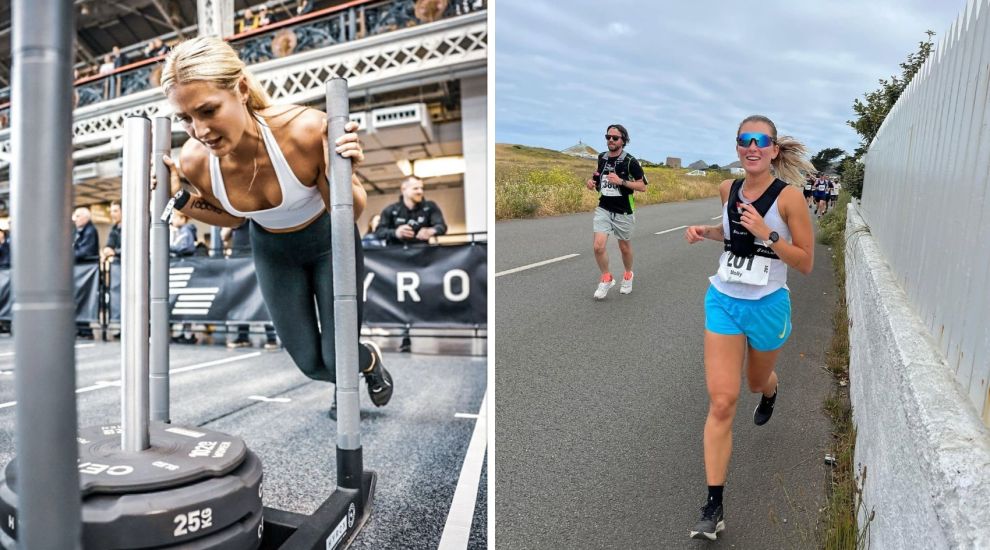
Pictured: Fear of judgment and lack of confidence are key obstacles, according to local personal trainers.
Recent data shows only 52% of adult women and just 5% of Year 12 girls in Jersey meet the recommended daily exercise guidelines, according to the Women’s Health and Wellbeing Assessment.
Despite these low participation rates, there’s a clear appetite for change – with 69% of Jersey girls expressing a desire to be more active.
Local personal trainers Lucy Cooper and Molly Mills have seen these barriers firsthand.
Speaking to Express, they shared insights into the challenges faced by women in gym environments and offered practical solutions to help overcome them…
Fear of judgment and lack of confidence
Lucy told Express how fear of judgment is a significant hurdle for women entering the gym.
“The gym can be a scary place, it can be really intimidating for young girls,” she said.
“The amount of clients I’ve had who start their opening message to me with ‘I don’t know what I’m doing in the gym’ or ‘I want to get fit but I’m scared to use the equipment in the gym’.”

Pictured: Molly Mills is a hybrid athlete who runs ultramarathons and lifts weights.
She explained that feelings of self-consciousness, whether about body image or fitness ability, often make this fear worse – leading women to avoid gyms or other fitness activities altogether.
Lucy said: “I’d say the biggest barrier is the fear of judgment, that embarrassment or fear of getting it ‘wrong’.
“Girls may feel self-conscious about their bodies or even abilities, which leads to a fear of judgment in a gym environment on top of this not know how to correctly use gym equipment.
“This anxiety can become overwhelming and people then avoid joining a gym, trying new sports or engaging in fitness activities altogether!”
Fellow personal trainer Molly Mills, who has worked with female clients for over three years, echoed these concerns.
“The main barrier that comes up in most of my consultations is that they lack confidence and they’re unsure of where to start,” she said.
“I always say the hardest part is starting and it’s so true.
“Many girls face this challenge alongside feeling like they may be judged, which is never the case and they soon realise this once they kickstart things!”
Encouraging confidence and enjoyment
Both trainers spoke about the importance of creating welcoming environments for newcomers by fostering confidence and focusing on enjoyment.
For Lucy, this means helping clients focus on how exercise makes them feel, rather than fixating on appearance.
“I encourage all my clients to focus on how physical activities make them feel rather than appearance – that comes later!” she said.
“I always try and highlight the joy and empowerment that comes from movement.
“Get those endorphins flowing! Celebrate what your body can do! Everyone deserves to look and feel their best!
“Try not to worry too much about other people, this is your journey and life is very short!”
Molly said she encourages women to approach fitness with small, achievable goals to build confidence early on.
“Focus on trying to have fun and explore what exercise feels good,” she said. “Know that it’s ok to try, fail and keep going.
“Begin with small, achievable goals to help them feel success from early on which makes the whole process way more enjoyable!”
Building inclusive gym spaces
To make gyms more accessible for women and girls, Lucy and Molly suggest practical steps that gyms and trainers can take.
Lucy advocates for women-only classes and workshops as a way to provide a judgment-free space for beginners.
“Beginner classes should be offered in all gyms to support women and new members feel welcome and less intimidated,” she said.
“Everyone has to start somewhere!
“I’ve seen a few women-only classes and workshops being offered and I think they are a fantastic idea, creating a comfortable space for beginners to learn and participate without that fear of judgment I mentioned earlier.”

Pictured: Former ‘ring girl’, Lucy is now a Teacher at St George’s Prep.
She added: “I hold monthly wellness workshops and always try and create a super welcoming and supportive place.
“I ensure that my workouts are adaptable to various skill levels and body types to ensure everyone can attend my workshops.”
Molly suggested scheduling sessions for new clients during quieter hours, and ensuring gym staff are approachable and supportive.
“Gyms can put on beginner-friendly classes, provide tutorials on how to use the equipment and make sure all staff actively greet all new members,” she suggested.
“From a PT perspective, if I have a client who is brand new to the gym, I will book our sessions at a quieter time to avoid them feeling intimidated.”
Both trainers stress the importance of celebrating progress, no matter how small.
Lucy noted that this can be as simple as showing up for a workout, while Molly believes that acknowledging achievements builds confidence and promotes a positive training space.
The bigger picture
The issues raised by Lucy and Molly reflect broader trends in female participation in physical activity.
The Women’s Health and Wellbeing Assessment indicated that systemic barriers prevent many women from meeting exercise guidelines.
These include cost, childcare responsibilities, and a lack of accessible infrastructure, such as safe cycling routes.

Pictured: The Women’s Health and Wellbeing Assessment uncovered “systemic gender inequalities” putting women and girls at “a greater risk of poor health”.
The disparity in participation is most evident across income levels.
While 66% of women in households earning £80,000 or more meet aerobic activity guidelines, this figure drops to just 37% for women in households earning less than £20,000.
Among younger women, body image and social media pressures are key challenges.
The report found that 67% of Year 12 girls worry about their appearance, and 61% feel pressured by social media, compared to just 18% of boys their age.
TOMORROW: Express will explore opportunities for women in surfing and how female-only groups are breaking barriers in this male-dominated sport.
READ MORE…
WOMEN IN SPORT: What are the main barriers to participation?
DIGEST: New report uncovers “systemic gender inequalities”
Jersey Red and ‘Good Egg’ to loop island twice for charity
Ring girl gets boxing in dad’s memory
Follow Express for updates… Sign up to our FREE daily news email now to get all the latest headlines delivered to your inbox each lunchtime…
