

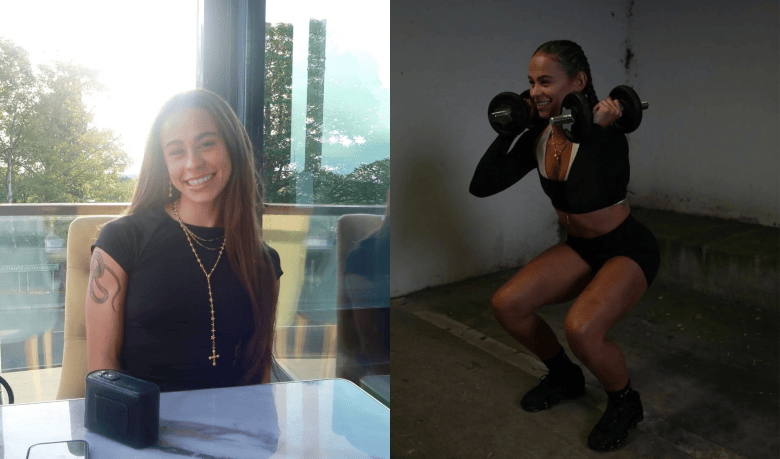
One of Jersey’s first Eating Disorder Support Ambassadors is using her lived experience to challenge stigma, encourage early support and remind others that recovery is not a straight line.
When Holly Jordas was 13 and in hospital with anorexia, her mum began attending meetings run by Jersey Eating Disorders Support.
At the time, Ms Jordas remembers feeling frustrated that her mum was going to the meetings.
She did not understand why her family needed support when she was the one experiencing the eating disorder.
Looking back, however, she recognises just how important that support was.
“Supporting someone through an eating disorder can be incredibly overwhelming and emotionally draining,” she said, explaining how JEDS gave her mum the education and tools to better understand what she was going through.
Years later, Ms Jordas has come full circle. Having experienced an eating disorder herself, she is now using her voice to support others, becoming one of JEDS’ first Eating Disorder Support Ambassadors.
For Ms Jordas, the role represents an opportunity to turn some of the most difficult experiences of her life into something that could help others feel less alone.
“My lived experience has given me an understanding of something that can be incredibly difficult to explain to someone who hasn’t experienced it themselves,” she said.
“If my story, my voice or simply my presence can make one person feel less alone, encourage someone to reach out for help, or give someone hope that life can become so much bigger than their eating disorder, then that means more to me than I can put into words.”
‘Recovery isn’t a finish line’

Since being in hospital as a teenager, Ms Jordas’ life has taken her in directions she never imagined.
She became a personal trainer and Muay Thai fighter, and now uses her lived experience to support girls navigating their own recovery.
She also speaks openly on social media about eating disorders and the stigma and misconceptions that surround them.
But while she has experienced periods of feeling strong and far removed from her eating disorder, she is candid about the fact that recovery has not always been straightforward.
Following the death of her dad last year, Ms Jordas said she took some steps backwards in her recovery, something she has found difficult to accept.
“I’m learning to give myself grace rather than seeing those steps backwards as a failure,” she said.
She explained that eating disorders can become a way of coping during some of life’s most painful periods, but that struggling again does not erase the progress already made.
“For me, my eating disorder has been something I’ve struggled with during some of the hardest periods of my life. That doesn’t mean I’m broken, and it doesn’t erase the progress I’ve made.”
Ms Jordas said she is learning to take recovery one day at a time, without putting a timeline on it.
“For a long time, I thought that taking a step backwards meant I was failing or that I should have been ‘better’ by now,” she said.
“I’m learning that there is no finish line to cross and no timeline I have to follow.”
Finding a community through JEDS
Ms Jordas began attending JEDS meetings again within the past year, discovering a community in which she felt understood in a way she had not experienced elsewhere.
She described finding a group of girls who understood parts of her experience without her needing to explain herself.
“When I attend the meetings, I feel supported, loved, accepted and, perhaps most importantly, like I’m not going crazy,” she said.
Although people may experience different eating disorders and have different circumstances, Ms Jordas said there is often common ground in the thoughts, feelings and mental struggles behind them.
She praised Karen and Amy Dingle, the charity’s leads who she said had created a “loving, welcoming and non-judgemental space.”
For Ms Jordas, the charity’s importance extends beyond supporting people experiencing eating disorders. It also provides a community for those who love someone with an eating disorder and may be struggling to understand how best to help.
Her experience has also changed her understanding of when someone should seek support.
One of the biggest lessons she has taken from returning to the meetings is that people do not need to be in crisis before asking for help.
“You don’t have to be ‘ill enough’ to come to a meeting or that you need to have a formal diagnosis before you deserve support,” she said.
She believes people can sometimes delay seeking help because they question whether their relationship with food, exercise or their body is serious enough to warrant it.
But, she said, JEDS is there for people who are beginning to recognise unhealthy patterns, those who are navigating recovery and those worried about someone they love.
“Support shouldn’t have to be something you access once things have become unbearable,” she said.
“Sometimes the most important time to reach out is when you first notice that something doesn’t feel right.”
Challenging misconceptions about eating disorders
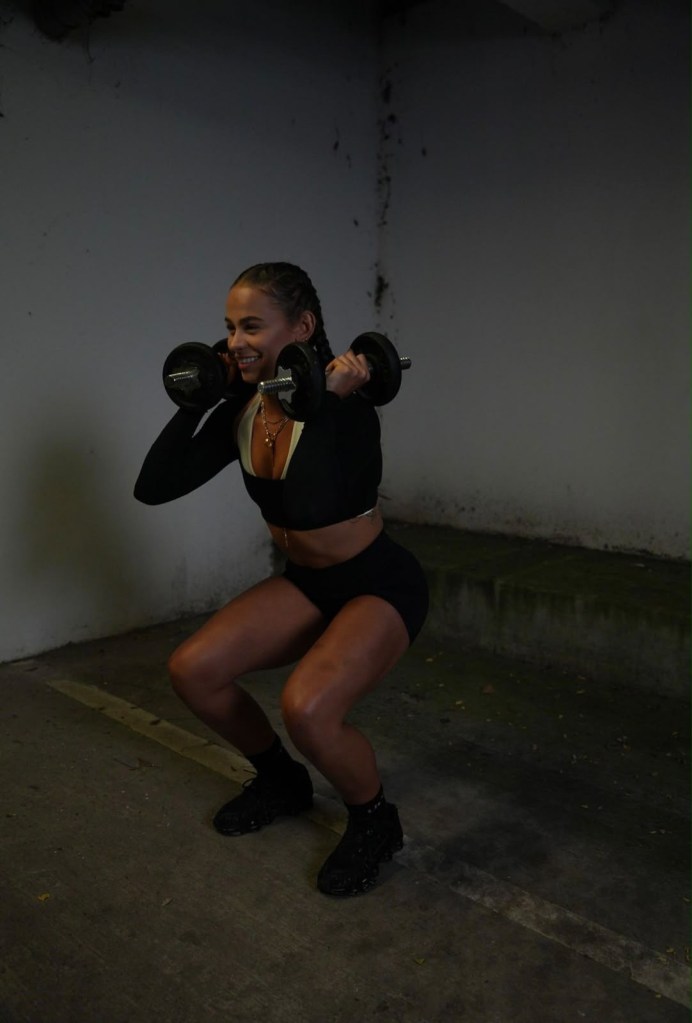
Ms Jordas hopes her role as an Ambassador will help encourage more open and honest conversations about eating disorders across Jersey.
She believes there is still a lack of understanding about what an eating disorder can look like, with people often relying on stereotypes about appearance.
“An eating disorder is not a body type,” she said.
“Saying that someone ‘looks anorexic’ is not only incredibly damaging, but in many ways, it doesn’t make sense. Anorexia is an illness, not an appearance.”
Ms Jordas said someone can appear healthy on the outside while experiencing a serious eating disorder internally.
Equally, a person’s body may change during recovery without their thoughts and feelings having recovered at the same pace.
She also wants people to understand that eating disorders are not simply about food or wanting to be thin.
They can be complex experiences with deeper roots, with food, exercise and body image becoming ways of coping with emotions, control, trauma, grief or anxiety.
“The more we educate ourselves and have honest conversations, the more we can move away from judgement and assumptions,” she said.
“An eating disorder is an illness, not a choice, not a personality trait and not something you can always see from the outside.”
Ms Jordas wants to see greater education and more open conversations about eating disorders in Jersey, helping people recognise the signs in themselves or someone they love before they reach crisis point.
“I’d also love for people to understand that you don’t have to ‘look sick’ or have a diagnosis to deserve support,” she said.
“If we can create a culture where people feel safe enough to speak up when they first notice that something isn’t right, we have a much better chance of supporting them before things become more serious.”
She believes that education should extend beyond those directly affected by an eating disorder, with families, friends, schools and professionals all playing a role in recognising when someone may be struggling.
“Sometimes knowing what to say, what not to say, or simply recognising that someone might be struggling can make a huge difference,” she said.
Ms Jordas believes social media can make these conversations even more important, particularly when people feel pressure to present a perfect version of themselves.
She admitted that she had previously portrayed herself online as someone who had everything together – someone strong, disciplined and healthy who had figured things out.
“The reality couldn’t be further from the truth,” she said.
“I’m still figuring it out, just like everyone else. It doesn’t matter how old you are, what you’ve experienced, what you’ve achieved or who people perceive you to be – we are all human.”
By being more open about the difficult parts of her life, Holly hopes others will feel able to do the same.
She wants her platform to show that it is okay not to have everything together, and that people should not have to hide their struggles behind an image of perfection.
A new sense of purpose
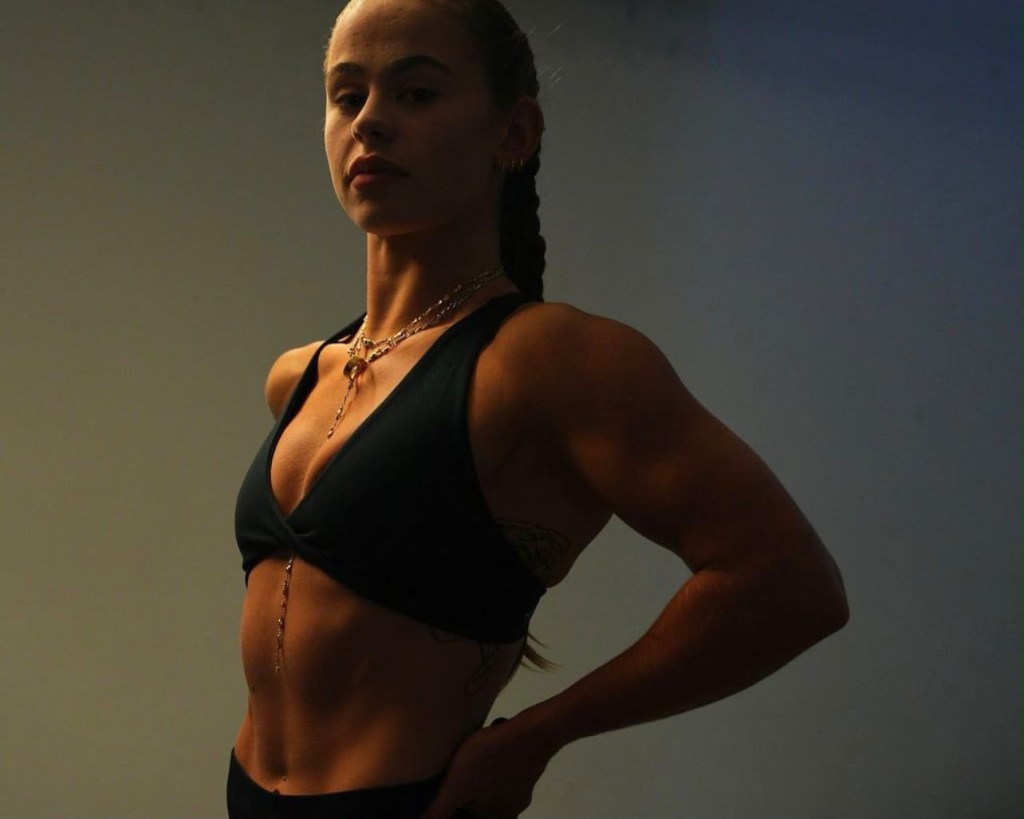
Over the next year, Ms Jordas hopes to use her platform to reach more people through social media, radio appearances and speaking opportunities, helping to break the silence surrounding eating disorders.
Since becoming more open about her own journey, she said she has been overwhelmed by the number of people who have contacted her to share their experiences.
It has shown her how many people are struggling in silence, carrying shame and feeling isolated.
Alongside raising awareness, Ms Jordas hopes to gain a formal qualification specifically related to eating disorders, allowing her to build on her lived experience and develop a deeper understanding of how to support others safely.
She would also like to organise events, workshops or retreats where people experiencing eating disorders or navigating recovery could connect with others who understand what they are going through.
Ms Jordas said these opportunities could allow people to build relationships and take part in creative or fulfilling activities without feeling pressured to discuss their struggles before they are ready.
Ultimately, she wants to help JEDS reach more people and continue creating spaces where people feel seen, heard and understood.
She also hopes to see greater education among families, friends, schools, healthcare professionals, coaches and others who work closely with young people.
For Ms Jordas, recognising the signs, understanding what to say and knowing when someone might need support can make a significant difference.
‘You are not your eating disorder’
For anyone struggling with an eating disorder, Ms Jordas’ message is simple: they are not alone, and their experiences do not make them broken.
She said eating disorders can become so consuming that they begin to feel as though they have taken over a person’s thoughts, personality and identity.
One thing she has found helpful in her own recovery is learning to separate the eating disorder from who she is as a person.
“Eating disorders can become so consuming that they can feel like they take over your personality, your thoughts and your identity.
“That’s why I think it can be powerful to give that voice a name and recognise that it is something you are experiencing, rather than something you are. You are not your eating disorder.”
Ms Jordas also wants people to recognise that they may be making more progress than they realise, even when they feel they are getting things wrong.
“When you are in the middle of an eating disorder, it can be so easy to focus on everything you feel you are doing wrong and completely overlook the progress you are making,” she said.
She also wants people to understand that they do not have to navigate the experience alone.
“More than anything, I would want them to know that they aren’t crazy, and they aren’t alone,” she said.
“There are other people who have felt the things they are feeling, thought the thoughts they are thinking and been through the same battles.
“Sometimes an eating disorder can make you feel like nobody could possibly understand what is going on inside your head, but there are people who do,” she continued.
Recovery, Ms Jordas said, is not about reaching a perfect endpoint. It is about continuing to learn, grow and make choices that support wellbeing, while accepting that some days will be harder than others.
“And finally, I would want people to understand that recovery isn’t a finish line. It is a journey, and I don’t think that has to be a sad thing,” she said.
“For a long time, I thought that taking a step backwards meant I was failing or that I should have been ‘better’ by now. I’m learning that there is no finish line to cross and no timeline I have to follow.”
“Recovery is about continuing to choose yourself, learning, growing and taking each day as it comes. A difficult day, or even a difficult chapter, doesn’t undo all of the progress you have made,” she said.
As one of JEDS’ first Eating Disorder Support Ambassadors, Ms Jordas hopes that sharing her story will help people feel less ashamed, reach out earlier and understand that they do not need to wait until they reach breaking point to ask for help.
“If I can help even a handful of people feel less isolated or encourage them to take that first step towards getting support, then that would make my whole year.”
