Charity Spotlight is a weekly series dedicated to showcasing the incredible work of Jersey’s charities – from grassroots initiatives to island-wide movements, we’ll be sharing the stories of the people working tirelessly to support those in need and the importance of leadership in guiding that work.
Each week, Express hears from a charity leader on their biggest challenges and successes, what leadership and wellbeing truly mean in the third sector, and their hopes for the future.
Next up is Focus on Mental Illness – a charity dedicated to supporting and improving the lives of islanders affected by severe mental illness and their families.
The charity’s mission is to encourage society to work together and enable those affected by severe mental illness to live their best and fullest life possible.
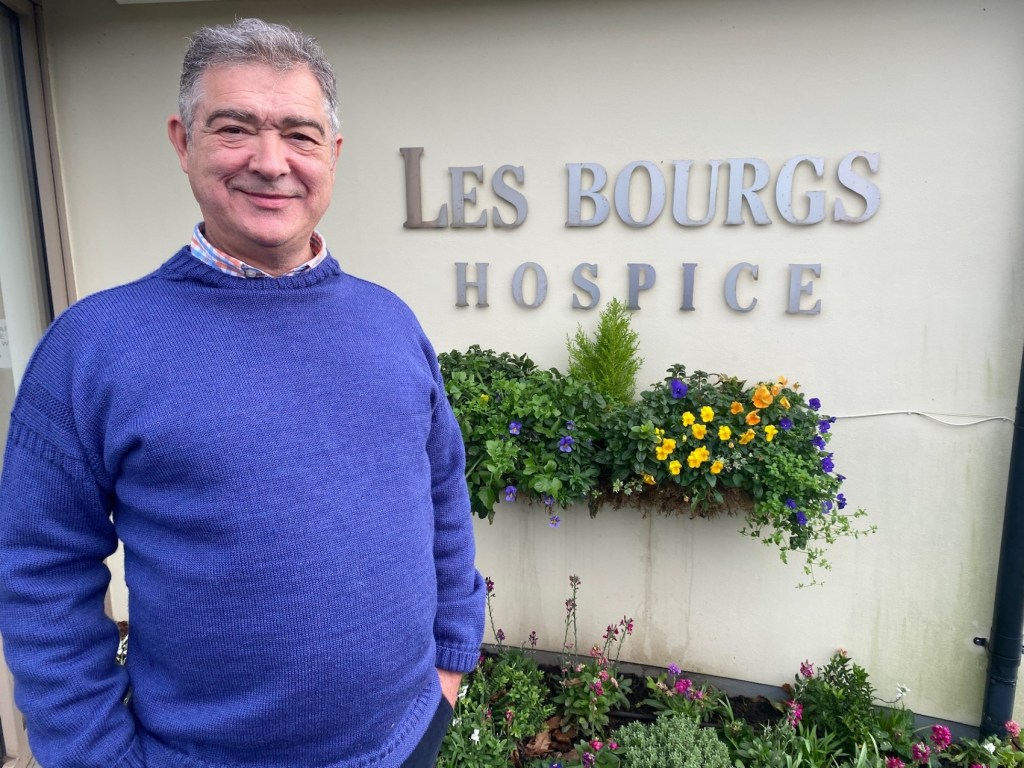
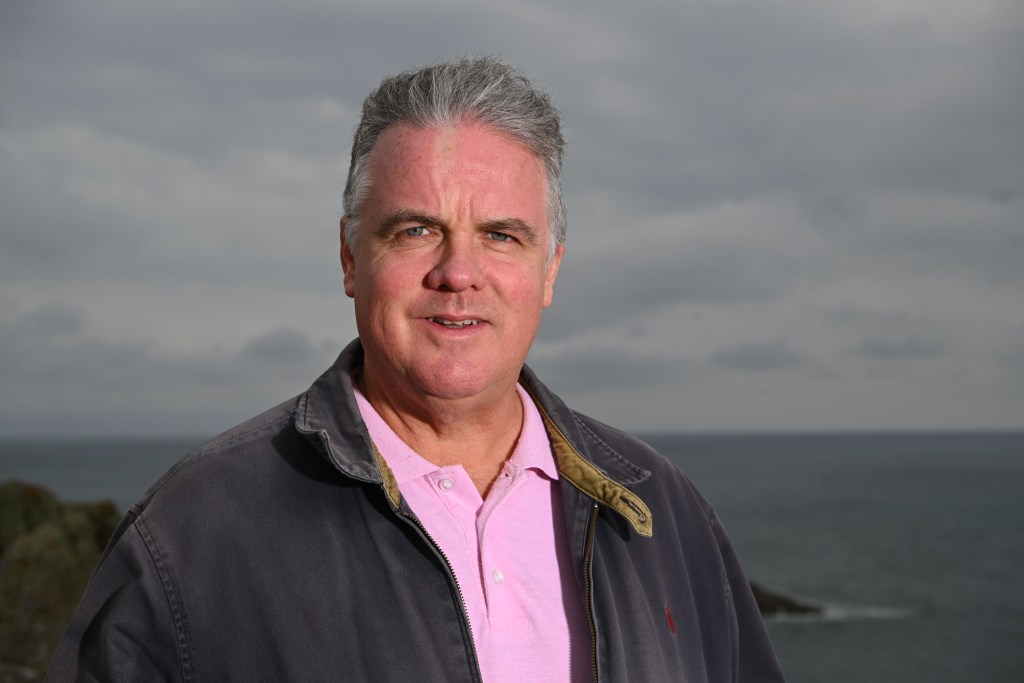
Express caught up with Stephen McCrimmon, Co-Founder and Director of Focus on Mental Illness, about what it is like to lead the charity and the most rewarding part of his work…
The biggest challenge facing our charity right now is…
Financial resourcing.
Like all charities we are seeing each year more applications for grants and sponsorships and a general decline in donations, the reality of economic decline for charities is that their income goes down when their need increases.
More than ever the need for collaborative working to ensure we share our skills and resources to meet the needs of the people of Jersey.
The most rewarding part of our work is…
Simply the people we work with.
I cannot put into words the privilege it is to be part of someone’s life journey and to have the opportunity to contribute in a positive way.
A common misconception about what we do is…
General mental health. Our charity name ‘Focus on Mental Illness’ says exactly what we do, our focus is on improving the lives of those who live with mental illness and their families.
We are not a general mental health charity, our primary concern is for those living with schizophrenia, schizoaffective disorder, bi-polar disorders, psychosis, PTSD and C-PDSD, severe depressions and anxiety disorders. For statistics, this is around 5% of the population.
The person is more than the diagnosis and we want them to fulfil their potential in every area of their lives.
If we had double the funding tomorrow, we would…
Very simply, hire a psychologist.
We passionately believe that those who are living with severe mental illness should be offered psychology as part of their treatment.

For many years psychiatry didn’t use psychologists for the treatment of severe mental illness.
Thankfully those days have changed, and we now understand the importance of psychology in increasing positive outcomes for those living with severe mental illnesses.
The most inspiring success story I’ve witnessed through our work is…
It seems a bit unfair to single any one story out as each journey is special in its own way.
We have been so fortunate to see positive changes in many of the people we have worked with, some make recoveries that allow them to return to work, relationships, and independent living, whilst others remaining out of hospital or less time spent in hospital is a success.
Each one is inspiring to us, and we’ve often said that our respect and admiration for those living with metal illness keeps us humble in the work we do.
The best piece of leadership advice I ever received was…
Never think you have all the answers.
My great mentor was a man called Ian Rogers.
He simply said: “Never forget you aren’t God and will never have all the answers.”
Wise words from a great man.
The most important quality in a team is…
Respect. It is difficult to really hear someone when you don’t have respect for them.
Our thoughts can cast judgement very quickly, and personally I need ‘right sizing’.
Some years ago I was fortunate to be on an executive committee at the Royal College of Psychiatry with a group of more than 40 professors, doctors and other academics.
I was the only non-medical clinician on the committee, but what made me feel valued and part of the great work we were involved with over those six years was the respect I was shown.
It taught me that no matter your background or life experience everyone has something to contribute.
The one skill I think every charity CEO or manager should develop is…
Never lose sight of why a charity started. After a while, charities are run like businesses and, whilst that can be helpful for the long-term sustainability of a charity, it shouldn’t come at a cost of why the charity was started in the first place.

We exist because of the hardship and at times suffering of those living with mental illness and their families, and they must always remain at the heart of everything we do.
If I could change one thing about how charities are run, it would be…
Better collaborative working and helping each other.
It is not uncommon in the UK for the bigger charities to support the smaller ones, for each to share their knowledge and skills, and to work in partnership for better outcomes.
People will have multiple needs and collectively we can be more helpful.
The most unexpected thing about working in the charity sector is…
The admin! Personally, I’d rather spend every minute of my time working with the people we are here to support.
Whilst admin is very important, some can seem like a long-winded exercise without a meaningful end result.
GET IN TOUCH…
If you know a charity you think should be featured in our Charity Spotlight series, drop a message to editor@bailiwickexpress.com.
See more from our Charity Spotlight series…