

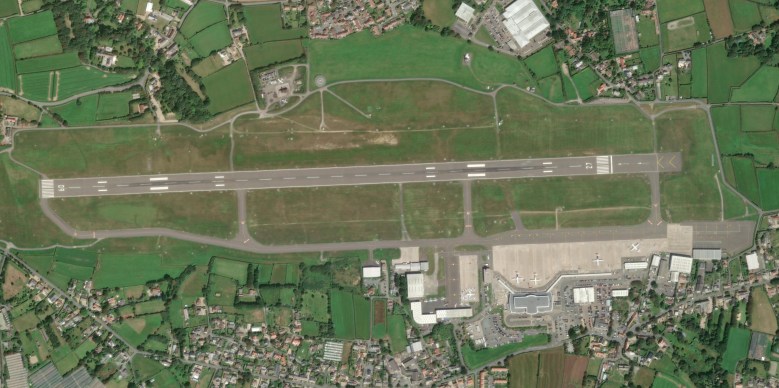
A permanent solution has been proposed for getting rid of more than 15,000 tonnes of contaminated soil at Guernsey Airport – but the work won’t be cheap.
A suggestion to export it to the UK for treatment comes with a £16.5 million price tag.
Deputies will be asked to back the idea in June – bringing to an end a toxic problem that has been around for decades.
The soil was contaminated by fire fighting foam used in incidents including the tragic fatal crash in 1999 which killed two men.
The States’ Trading Supervisory Board said removing the soil, which has been wrapped and kept in bunds at the airport since 2012 when other work was carried out on the runway, is now becoming essential.

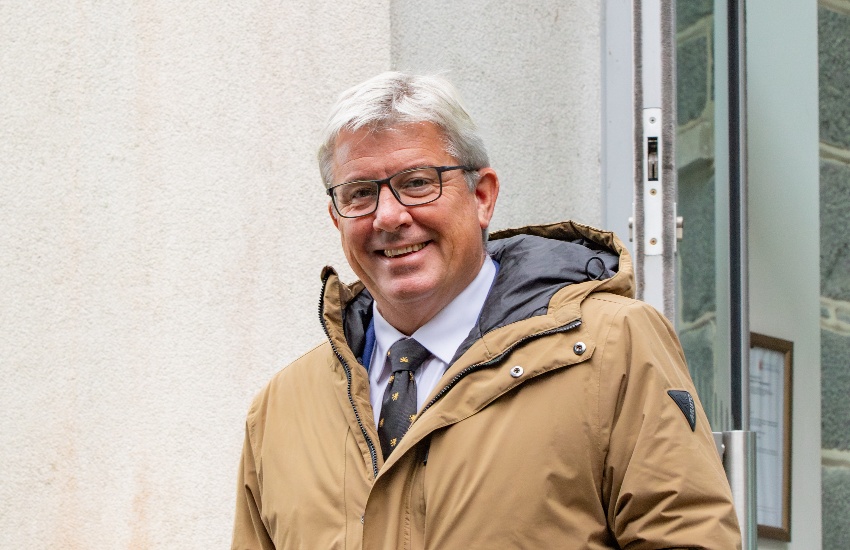
The bund is regularly checked and tested, and the plastic sheeting the contaminated soil is wrapped in is starting to deteriorate said STSB President, Deputy Mark Helyar.
“The containment of this soil has been effective in preventing this historic pollution from entering the environment,” he said. “However it was only ever a temporary answer, to allow time for permanent solutions to be explored.
“We have been through a thorough evaluation of all currently available options, and identified the most appropriate solution. We now need to progress that, given the evidence that the membrane containing the soil has reached its end-of-life and is beginning to fail.”
The multi-million pound project is already listed in the Major Projects Portfolio and next month the States will be asked to progress it to the next stage.
A planning application will be needed, including a full Environmental Impact Assessment before the clear-up operation can start, which will be next year at the earliest.
The excavation of the contaminated soil and reinstatement of the bund area is expected to take around 10 months with STSB wanting to avoid the winter months to minimise the risk of any chemicals being released during this operation, and the subsequent transport of the material.
Other work to prevent our drinking water being contaminated is already carried out including a dedicated treatment plant that filters groundwater at Guernsey Airport, and a bypass to allow water from streams to be diverted away from St Saviour’s Reservoir, and discharged to sea.
Properties near to the airport with private boreholes were also offered connection to the mains network.
Guernsey Water carries out regular monitoring of local water supplies and the concentrations of PFAS found in treated water samples are around 50% lower than the current guideline value determined by the Drinking Water Inspectorate as being safe to drink.
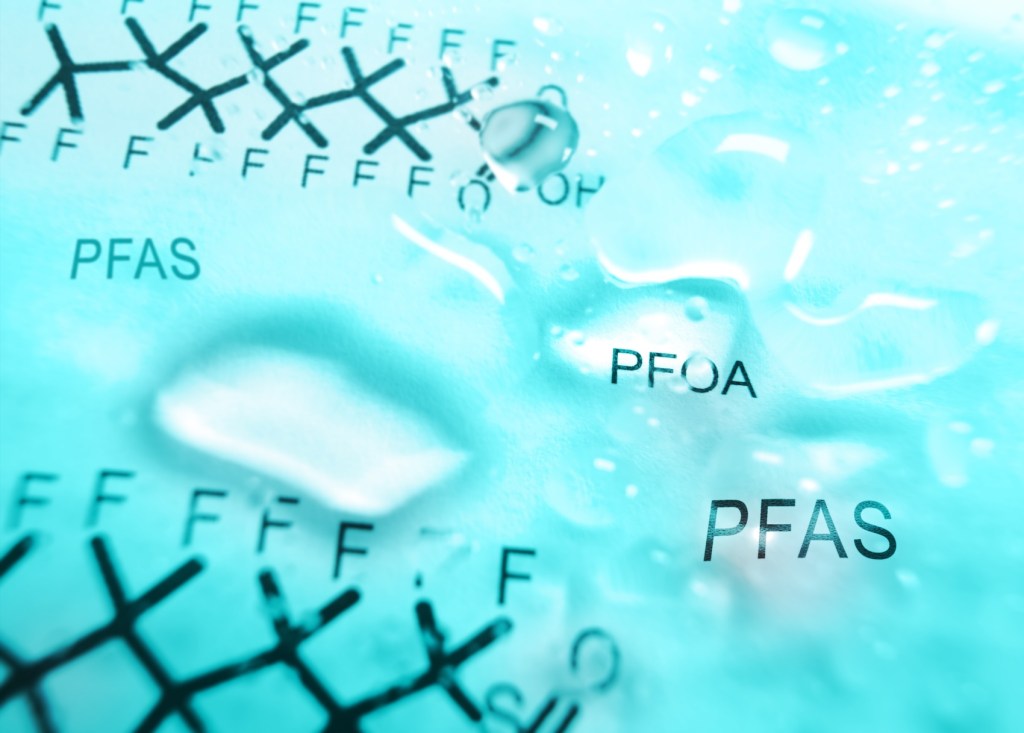
The soil at Guernsey Airport contains high concentrations of the chemical PFOS, which was historically used in fire-fighting foam.
It belongs to a group of compounds that have been termed ‘forever chemicals’ as they do not break down easily in the environment and may pose risks to health.
The bunds which contain the toxic soil are subject to a waste management licence with requirements for regular monitoring. It was through these checks that it was found the membrane around the soil is starting to fail.
STSB said this is not considered to pose an immediate risk to health, as the location of the bund is not within the current drinking water catchment.
If the States agree to spend £16.5m removing the soil it will involve the “careful excavation and containment of the soil”.
It will then be taken to the UK to go through a process known as ‘soil washing’, which involves use of an abrasive and water to rinse the contamination out. The chemicals are then extracted from the water by passing it through a carbon filter, and then destroyed by heat treatment.
Sand and gravel from the soil can then be reused, and any residual contaminated material will be disposed of in a licensed hazardous waste site in the UK.
This process has been identified as the ‘best available technique’ for dealing with the contaminated soil.
Other options considered included creating a new containment cell, on-island soil washing, or using other technologies. However these were discounted on the grounds of being more costly, technically not viable, unproven at large scale, or not providing a suitably long-term solution to the pollution risk.
