


Fresh details on how Guernsey’s first-ever island-wide by-election would be run – and how much it would cost – are set to be published later this month, following the resignation of a senior politician convicted of serious sexual offences.
The by-election was triggered after former deputy and previous Chief Minister Jonathan Le Tocq stepped down having pleaded guilty to 15 sexual offences, including possessing more than 2,400 indecent images of children. He tendered his resignation at the start of December, and it was formally accepted by States Members on 17 December.
His departure has left a vacant seat in the States Assembly, activating a legal requirement for a replacement under Guernsey’s current voting system – leading to fears of a by-election bill of up to £200,000 of taxpayers’ money.
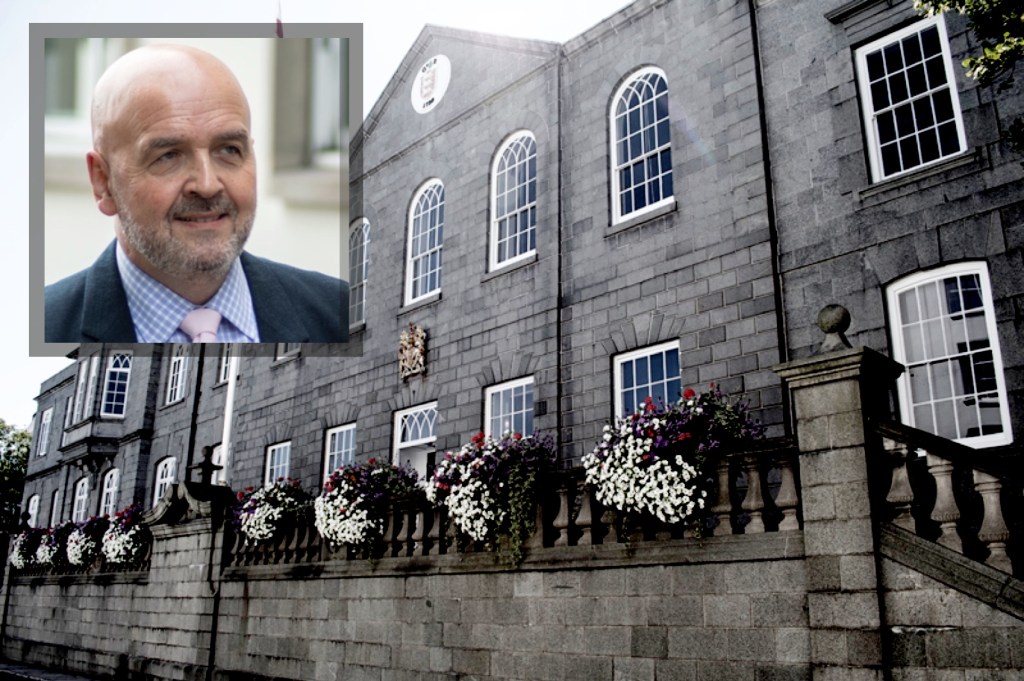
But with public anger, political unease and questions over value for money swirling, the States’ Assembly & Constitution Committee (SACC) says it believes the by-election can be delivered for around £75,000 – far less than earlier estimates.
Shortly before Christmas, the committee reviewed the likely costs in detail and identified where significant savings could be made compared with June’s full general election.
Deputy Sarah Hansmann‑Rouxel, President of SACC, said the committee was clear that a by-election “does not need to mirror a full island-wide general election in either scale or cost”.
She said the committee had examined how a by-election could be delivered in a “more proportionate, efficient and cost-effective way”, recognising that many of the logistical and informational elements required for a general election were unnecessary when filling a single seat.
As a result, she said the committee was confident a by-election could be delivered for about £75,000, and confirmed that full proposals will be published in January.
The announcement comes against the backdrop of opposition to holding a by-election at all.
A public petition calling for it to be scrapped attracted hundreds of signatures, with critics questioning both the cost and the need to replace a single deputy part-way through the political term.
Some have echoed those concerns, citing election fatigue and wider pressures on public finances, while supporters of the vote argue that democratic accountability requires the vacancy to be filled.
Jonathan Le Tocq is due to be sentenced on 26 January.
Follow Express for updates…
