


Both Public Health and the GSPCA were quick to issue advice as the temperature climbed into record breaking territory on Monday.
At 32.2c, the previous record for June – set in 1976 – was broken, and it is likely to be surpassed again with up to 35c forecast by mid-week.
The Met Office Duty Observer told Express that the temperature will be “cooling to more usual temperatures for the time of year on Friday” when it is forecast to reach a high of 23c.
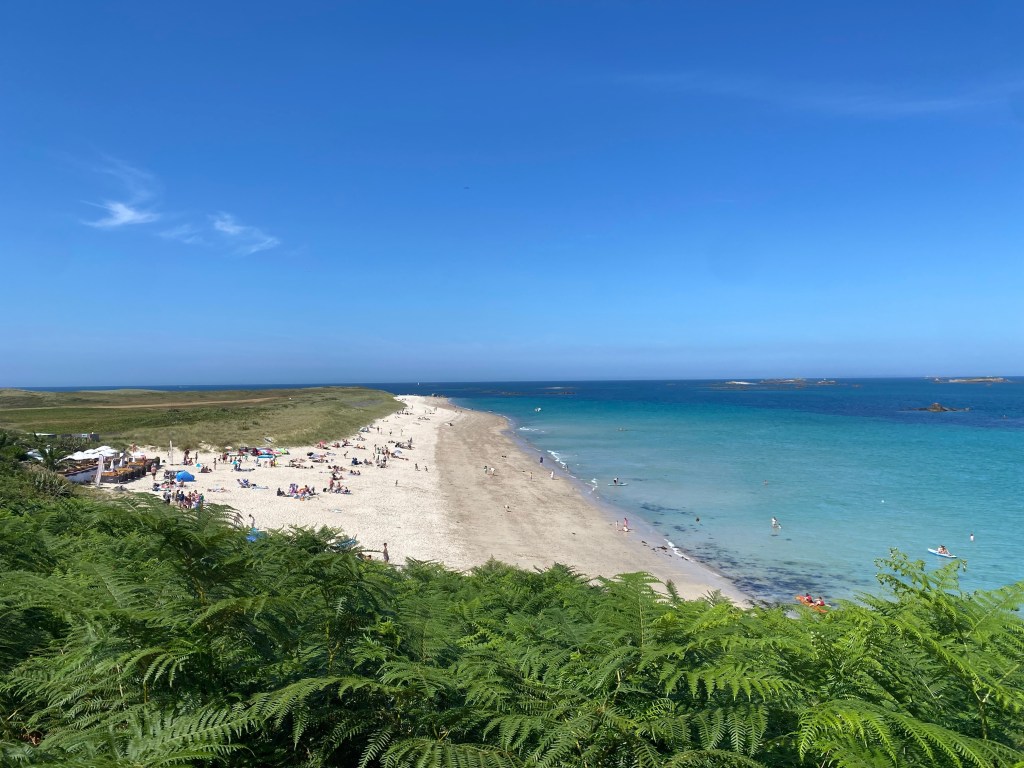
In the meantime, Alex Hawkins-Drew, Associate Director Public Health, said some people will struggle with the heat and she asked if we can all look after each other.
“We know that many islanders are used to managing hot weather, however there are vulnerable members of our community who may be taken by surprise by quite how hot it is or require extra support in this weather.
“If you have someone in your life who may find this hot spell difficult – a loved one or neighbour perhaps – then it’s always worth just quickly checking on them as temperatures over the next couple of days are going to reach extreme levels for this time of year.”
Mrs Hawkins-Drew said the general public health advice remains active including drinking plenty of water, regularly applying sun cream and covering up with cool clothing and a hat, and planning physical activities for the cooler parts of the day.
She also asked people to look out for the signs of heat exhaustion and heatstroke in anyone who may be vulnerable, which includes heavy sweating, elevated body temperature, dizziness, fainting, and nausea.
We can also try and keep our homes cool by letting air circulate and keeping curtains or blinds on windows closed.
The general public health advice remains:
Check in on people who may be at risk
Drink plenty of fluids to stay hydrated – water is best
Regularly apply sun cream when outside, cover up with cool clothing and a hat
Know the signs of heat exhaustion and heatstroke, which include heavy sweating, elevated body temperature, dizziness, fainting and nausea
Keep your home cool by allowing air inside, and closing curtains or blinds on windows that face the sun
Plan physical activity for the cooler parts of the day, such as early morning or later in the evening
“The hot weather is nothing to be alarmed about, but it can start to pose health risks if you don’t stay hydrated,” added Mrs Hawkins-Drew.
She also advised keeping pets out of the heat wherever possible, particularly when walking dogs – advice reiterated by the GSPCA.
Charity Manager, Steve Byrne said his team receive calls every year from concerned members of the public about animals suffering in the heat.
He said high temperatures can quickly become life threatening for pets and wildlife and owners should take extra precautions to keep their animals safe.
Mr Byrne advised owners of rabbits, guinea pigs, birds, and other outdoor pets to ensure they have access to plenty of shade throughout the day, as well as a constant supply of fresh drinking water.
Dog owners are also urged to avoid exercising their pets during the hottest parts of the day.
“Every year we see animals suffer unnecessarily during periods of hot weather,” said Mr Byrne.
“Dogs should not be walked or exercised during the heat of the day, and owners need to remember that if the ground feels too hot for the back of your hand, it is too hot for your dog’s paws.
“We were particularly concerned to hear of a dog being exercised alongside a bicycle during the last hot spell, which can be extremely dangerous in high temperatures,” he added.
“Animals can overheat very quickly and heatstroke is a veterinary emergency. If in doubt, leave exercise until early morning or later in the evening when temperatures have dropped.”
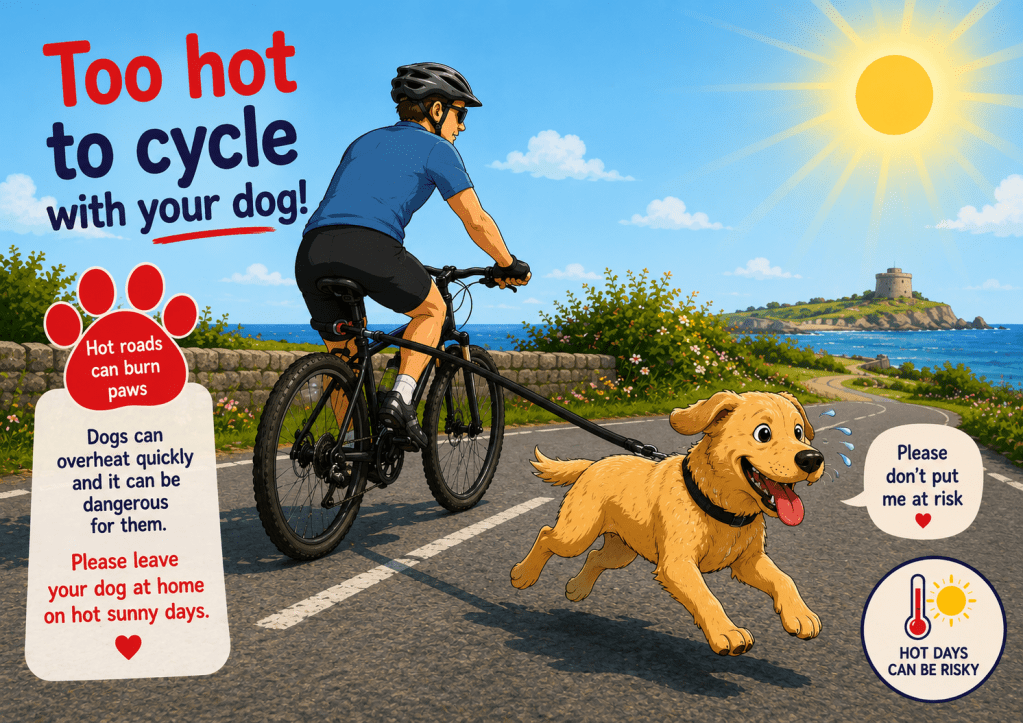
Mr Byrne also reiterated that dogs, cats, or any other animals should never be left inside parked vehicles.
He said temperatures inside cars can rise rapidly to fatal levels.
Similarly, conservatories, greenhouses, sheds, and other enclosed spaces can become dangerously hot and should never be used to house or leave pets or other animals unattended during hot weather.
“Sadly, every summer there are reports from around the world of animals suffering or dying after being left in cars,” Mr Byrne said.
“A vehicle, conservatory or greenhouse can become dangerously hot in a very short period of time, even when owners believe they will only be away for a few minutes. If you cannot take your pet with you safely, it is always better to leave them at home in a cool environment with access to water.”
The charity is also encouraging us to help local wildlife cope with the heat by leaving out shallow bowls of water.
The GSPCA’s hot weather tips include:
Ensure all pets have constant access to fresh drinking water
Provide shade for all outdoor animals throughout the day
Walk dogs only in the early morning or late evening
Avoid strenuous exercise during hot weather
Check pavements before walks to ensure they are not too hot
Never leave animals in cars, conservatories, greenhouses or other enclosed spaces
Look out for signs of heatstroke, including excessive panting, drooling, weakness, collapse or distress
Put out shallow bowls of water for wildlife and clean them daily
Anyone concerned about an animal suffering from the effects of heat should contact their veterinary practice immediately for advice.
In an emergency call the GSPCA on 257261.
