
Corporate taxes, a visitor levy, and rebalancing the Island’s financial foundations, have all found a prominent place in the plan for governing Guernsey for the next three years…
As part of Policy & Resources’ plans to fix Guernsey’s financial position, they’ve put together a suite of fiscal objectives and tax-related measures in the Government Work Plan 2026-2029.
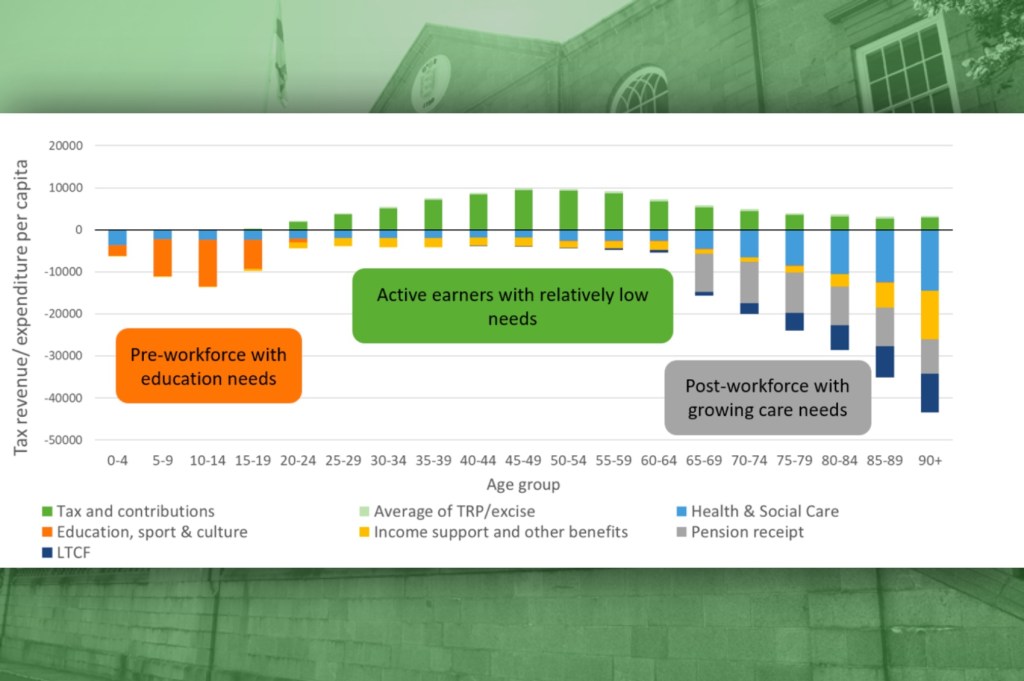
In the GWP, P&R speaks of a longstanding imbalance between the island’s income and its outgoings.
Essentially, the island is currently spending more than it earns, leading to a structural deficit that has required the use of savings to maintain public services.
For those services to continue going forward, the States say they can no longer rely on the “temporary solutions” that have been used previously.
In the GWP, P&R said: “To continue to deliver public services, the States have relied on historical reserves to cover the shortfall between income and expenditure – a temporary solution that is not sustainable”.
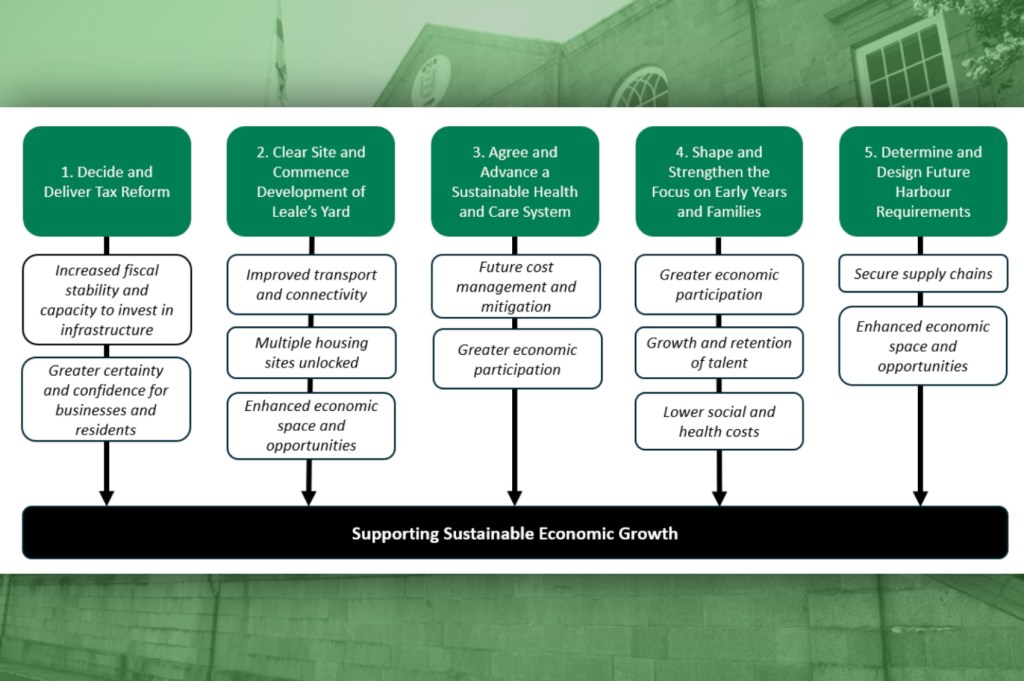
That’s why tax reform has been listed as one of the new “super priorities”. In doing so, the Committee has attempted to elevate the topic to the highest level of political importance for this term.
P&R claimed in the GWP that “this super priority commits the States to making a definitive decision on tax reform and implementing agreed changes to taxation and social security during this term”.
So, what actions are the States looking to undertake this term?
The Government is seeking to increase tax intake and diversify the sources of that revenue. The proposed changes aim to generate an additional £50 million in net revenue and include expanding the tax base to include visitors.
So the island could be exploring a “Visitor Levy”, something the Guernsey Hospitality Association have previously claimed they already recommended to the States back in 2021.
The visitor tax was part of the original ‘Fairer Alternative’ Tax Package, that was created to ward off GST during the previous political term, and was brought forward even with the-then President of Economic Development, Deputy Neil Inder, sharing his doubts on it’s potential success.
More than 40 countries and holiday destinations have a form of visitor levy, including Croatia, Paris, Barcelona, Balearic Islands and New Zealand. Whether it works locally we’ll still have to wait and see.
Corporate taxes
The GWP also features a focus on corporate taxes.
There’s been a specific body created to investigate how businesses contribute to the island’s finances, with the specialised sub-committee currently “exploring alternative or additional reforms”, with an interest in potential changes to corporate taxes.
Earlier this term, Deputy David Dorrity successfully convinced colleagues that P&R should follow Jersey in how it forecasts revenue from Pillar 2 global minimum tax rules which forces the largest multinational companies with revenue over €750m to pay 15% on profits to the country where they do business.
However, as of last month, Deputy Parkinson, P&R’s lead for the tax review, insists States is still underestimating corporate tax revenue. Citing the differences between Guernsey’s “captive insurance market”, and Jersey’s “mobile” banking sector.
It’s not clear yet how much could be raised by bringing in potential Corporate Tax regime changes, however ‘Pillar 2 taxes’ were introduced locally at the start of 2025, and the treasury forecasts it will bring in around £40m per year.
None of that cash will be collected from companies until 2027.
If the GWP is followed successfully, final proposals will be presented in the middle of next year, with the earliest of the potential changes to the Island’s tax regime expected to begin two years later, in 2028, but what that’ll look like is still unsure.