

Following the publication of a recent report by the UK Government that sounded alarm bells over a decline in natural spaces, La Société’s President has spoken out about the threat facing certain environments that could be facing ecological collapse as early as 2030.
As part of its National Security Assessment, the UK Government claimed that every critical ecosystem is currently on a “pathway to collapse” (defined as irreversible loss of function).
The report, ‘Global biodiversity loss, ecosystem collapse and national security’, identified a “realistic possibility” that ecosystems like coral reefs and boreal forests could start to collapse as early as 2030, followed by rainforests and mangroves by 2050.
With our closest jurisdiction sounding off warnings, the question arose of what can Guernsey do?
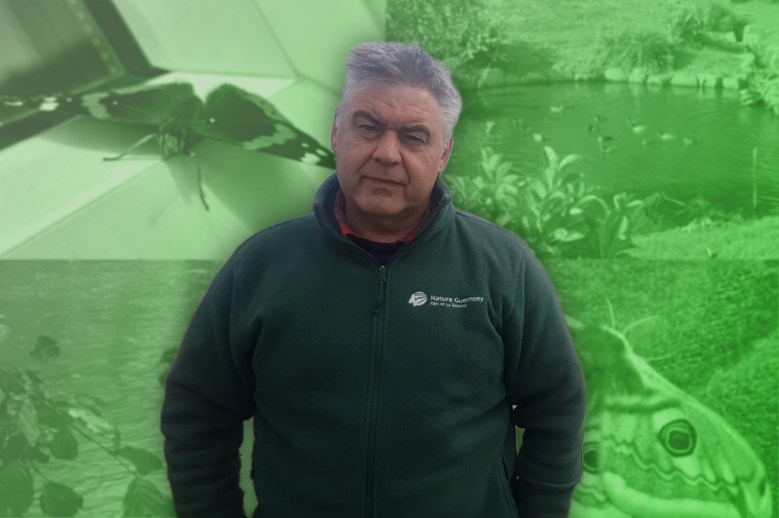
Trevor Bourgaize, the President of La Société Guernesiaise spoke with Express to highlight the importance of nature conservation efforts in Guernsey.
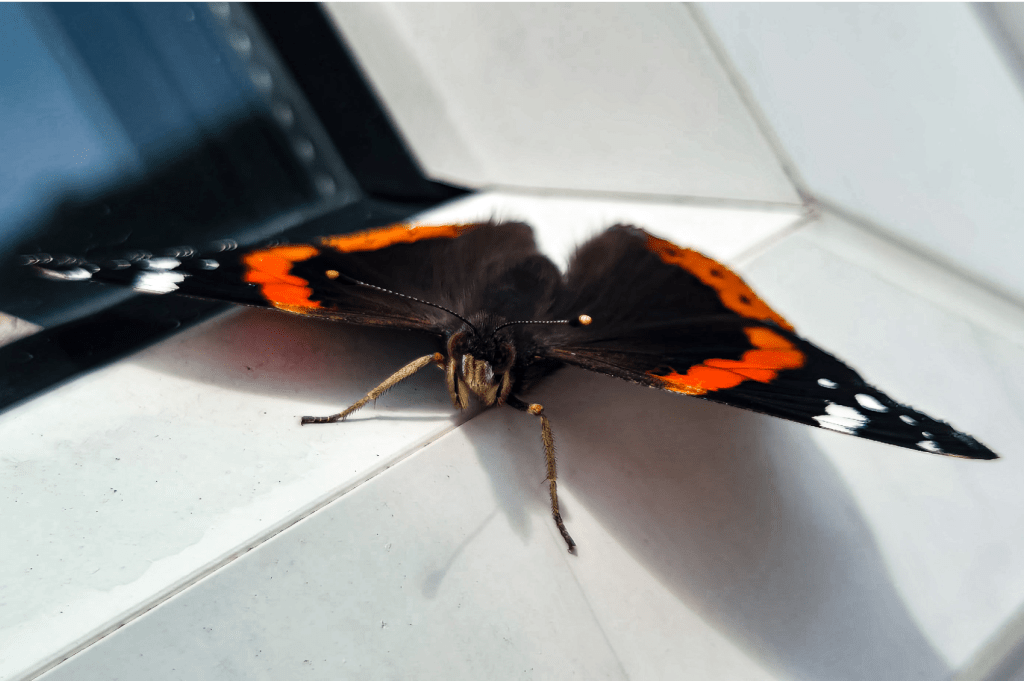
“We have some fantastic wildlife, we just need to give it the importance that it deserves,” said Mr Bourgaize, who claimed that future endeavours should focus on utilising disused greenhouse sites across the island.
“I think personally, we’ve got a lot of nature reserves owned by charities, but I think there is now scope for some of the bigger greenhouse sites, some of them which are in really low lying areas, to create new nature reserves that can people can access from the middle of the island.
“Most of the reserves are on the coast, but by focusing on sites in the centre of the island, I think we could have some community woodlands. There could be cycle paths through them.”
Mr Bourgaize suggested that these nature reserves could also have natural wetlands, something we saw last year in the ecology efforts during the redevelopment of La Grande Mare.
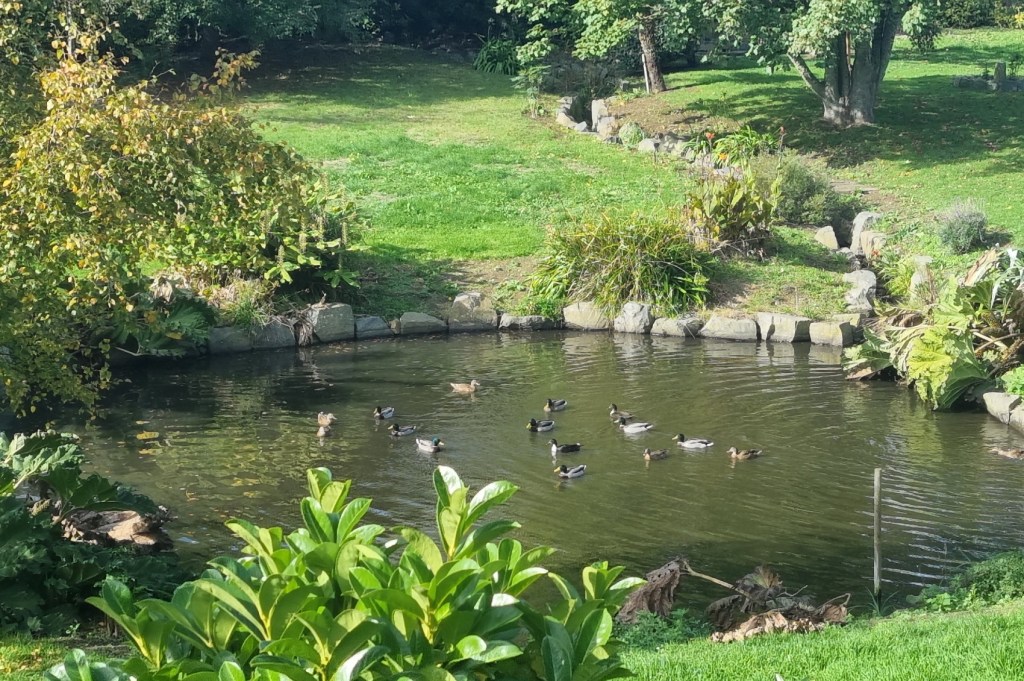
“The best thing you can do for your garden is put a pond in,” said Mr Bourgaize, “just imagine if we had two or three areas in the island, sizeable areas of wetland reserves. What a difference that would make to our biodiversity.”
His reasoning for recommending a pond for the garden, or wetlands for a nature reserve comes down to one of the first science lessons taught in schools. The circle of life, and by encouraging the smallest creatures, it supports everything else.
“It creates habitats for species that breed in the water, the dragonflies, the damsel flies, which in turn, produce food for birds,” he said.
“It provides drinking water for hedgehogs and other mammals. Water is essential to life, therefore, if we’ve got water, then things will follow, without a doubt.”
For real change though, more needs to be done to make a conscious effort to assist our environment, and everything that calls Guernsey home.
It’s something that was touched on when Express spoke with Jock Pettitt from The Soil Farm about concerns over resources mentioned in the UK’s National Security Assessment.
Mr Pettitt would like to see a greater general focus from Guernsey on how much we invest into our diet, our food, and the way we eat.
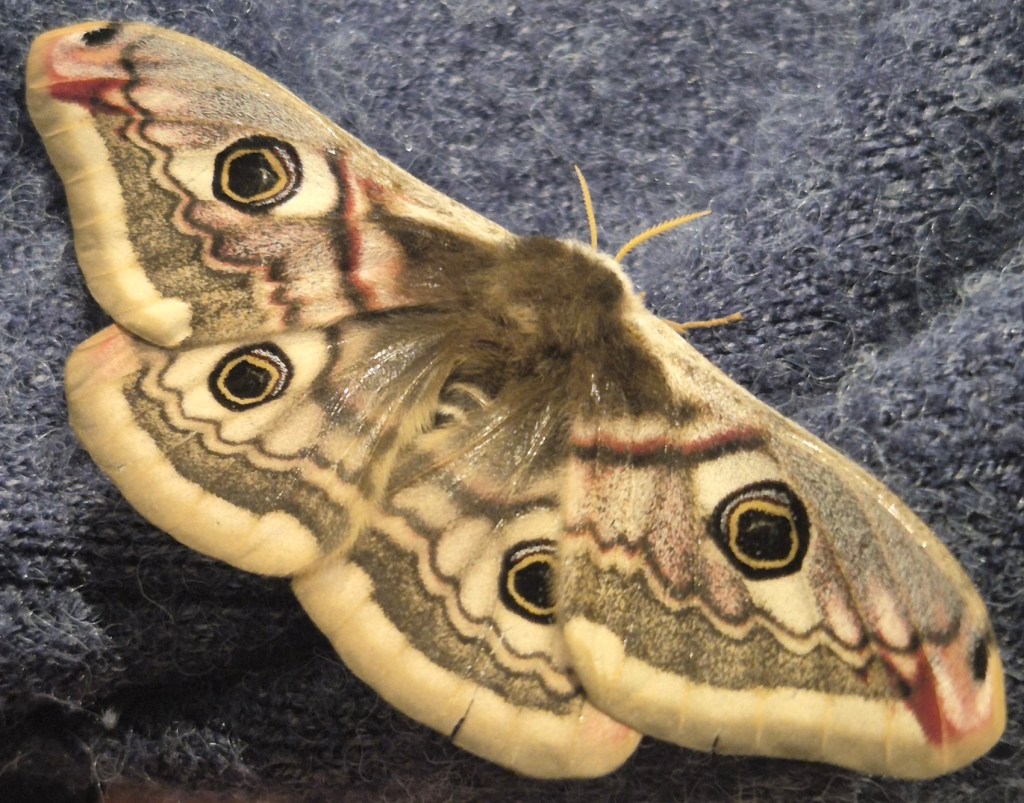
Similarly Mr Bourgaize wants to see that kind of mindfulness when it comes to our homes, our hedges and gardens, and the answer comes from Moths.
“We’re seeing a lot of species that we hadn’t recorded 10 years ago are now really quite common,” he said, “that’s maybe to do with us improving on what we plant.”
Mr Bourgaize suggested that the focus for many has been what’s aesthetically pleasing, and not what helps support the species that call our Bailiwick home.
“We plant far too much non native hedging and trees. As an example. Japanese Euonymus, which you see everywhere, will support one species of macro moth, the magpie.
“A Hawthorne hedge will support 120 (species), so we need to be planting native trees and hedges, because they support so much more wildlife.”

Much like many people throughout the community, Mr Bourgaize thinks that lessons were learned when nature was no longer always accessible, when the island went into lockdown and that access was limited.
“When we think back to Covid, when people were saying ‘oh i’m desperate to get outside’, and how much people appreciated nature…I just think it makes a huge difference.
“Now, when we’ve had rain like we’ve had, you know, day in, day out, people are desperate to get out into nature, just for that fresh air and a walk and and a chance to think things through.”
Mr Bourgaize is exactly as passionate as you’d expect from the President of La Société Guernesiaise.
For half a century he’s been pursuing his interest in the natural world, but he also knows that those of us who aren’t as dedicated, are still extremely interested.
“I know I take it to the ‘nth degree. I’ve run a moth trap for 40 years. I’ve been a bird ringer for 50 years, it is what I’m interested in, you know, but I still feel that probably 95% of the population really are interested in what’s on their doorstep.
“They want to introduce things into their garden, I mean, why do people feed the birds so much?”
For those who this rings true for, Mr Bourgaize has some simple advice to follow.
“If you’ve got a garden, put a pond in, put in a native tree, there is so much you could do, simple measures just like that.”
Of course any investment into nature costs money. That’s part and parcel of life, especially for an island with a leading financial industry.
However, Mr Bourgaize argues that Guernsey’s green identity goes a long way, and references recent data released by VisitGuernsey which showed that 85% of respondents to a visitor survey agreed that “the natural beauty of the Island and its beaches attracted them” to the Bailiwick.
“That’s reason enough for me to put some money into it!” said Mr Bourgaize.
“We talk about green finance and sustainability, but what could be more important than sustaining our environment and looking after it.”
It’s not just La Societe and local sustainable farmers who’ve spoken out on the need for a change following the UK Government’s report.
Express has previously published the thoughts of the Nature Commission, which also wanted to focus on what can be done to mitigate any impact on our local environment, and empahsised that the predicted loss of biodiversity would have “profound consequences for the island”.
