

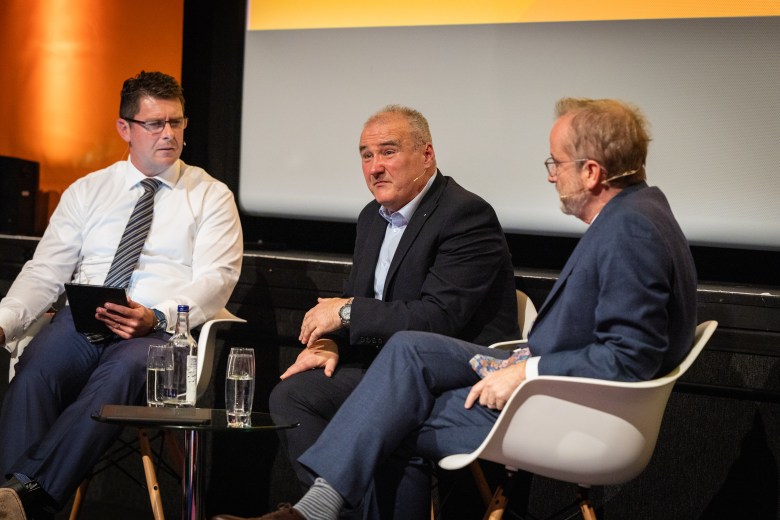
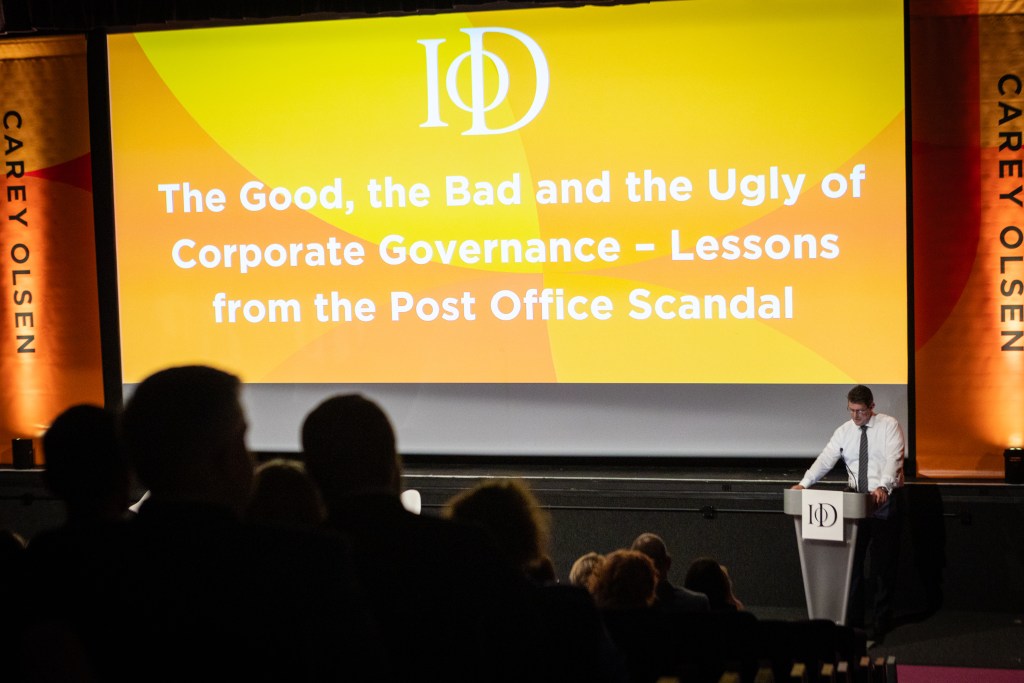
One of the men caught up in the Horizon Post Office Scandal was guest of honour at the IoD Annual Convention – where he and others discussed ways of restoring trust, integrity, and accountability in boardrooms.
Lee Castleton OBE was invited to Guernsey by the Institute of Directors along with Professor Richard Moorhead, a former solicitor and a leading academic in the field of law and professional ethics.
Using Mr Castleton and others’ experiences with the faulty Horizon system at the hands of the UK’s Post Office, the pair discussed the ethical failings that contributed to the scandal.
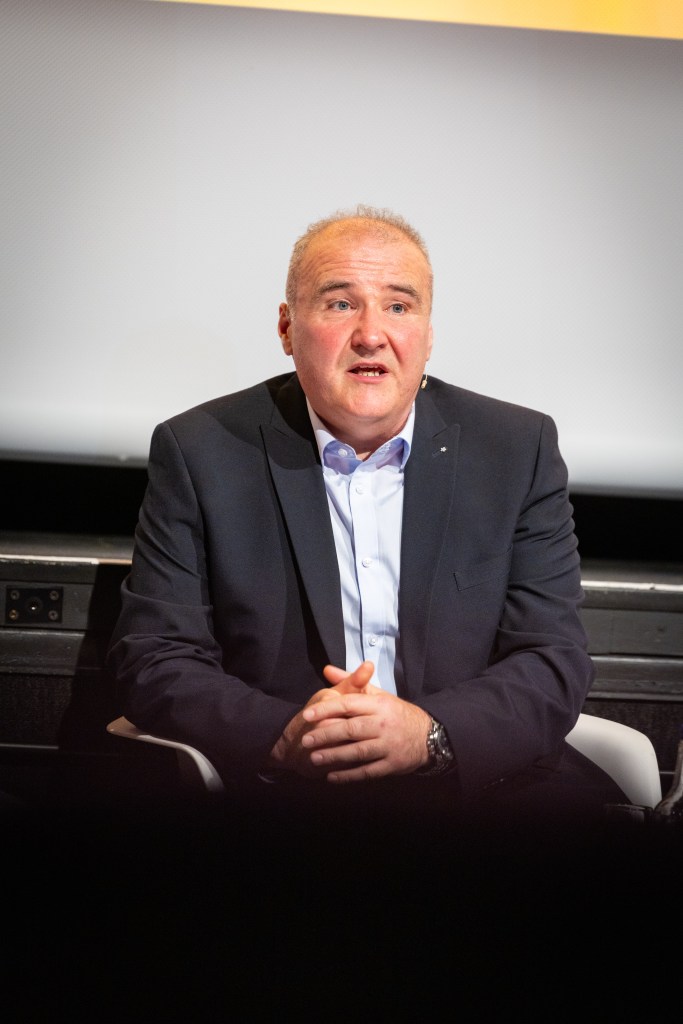
Speaking with Express before the convention, Mr Castleton was keen to highlight the other Postmasters who don’t have, or want, a platform to share their stories.
He was sued and subsequently bankrupted by the Post Office due to the faulty Horizon software. Hundreds of others were involved in similar situations, with thousands of people impacted. Mr Castleton said many are still waiting for compensation for having their lives ruined, just for doing their jobs.
“People think it’s all over and it really isn’t.
“We’ve still got hundreds of people that aren’t compensated, and that’s only this part of this stage and accountability is the next stage to that.
“I think there’s something like, certainly in my group, over 200 people out of the 555, that still remain uncompensated.
“I’m angry,” he added.
“This is the worst part of the journey in all honesty.
“Whilst I appreciate that people may well say they didn’t know, or they did things in good faith in the original case, this is none of those things. This is people purposefully making things difficult. They’re using huge amounts of money, massive firms of lawyers to frustrate and complicate and make things difficult for victims, people that everyone accepts now are victims, and it’s disgusting and shameful.
“The people calling the shots, the people instructing the solicitors on behalf of the Civil Service should be called out. We should know who they are.”
Mr Castleton said he won’t stop his campaign for justice until the people responsible are known.
He mentioned the people who took their own lives before knowing that their names had been cleared, and those who are still fighting for their own justice.
“I’m watching people that have been friends for many years, jumping through hoops, being put there by people that know how bad their journey was, how terribly horrific their lives have been for for decades now, and they’re purposefully frustrating the end. And I think it’s disgusting.”
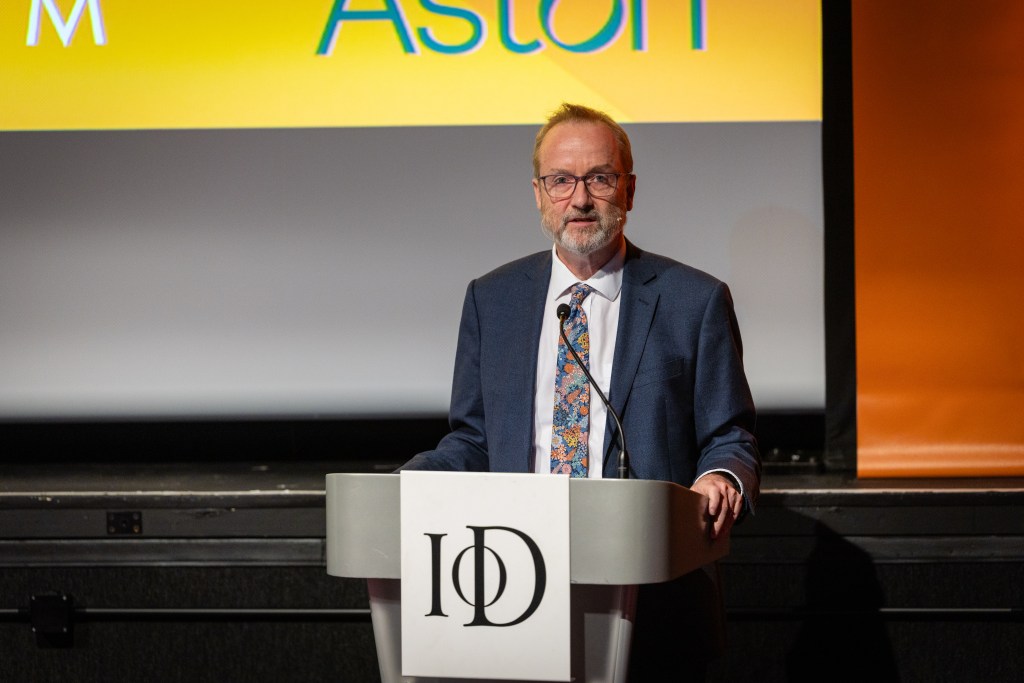
Mr Castleton and the other Subpostmasters have been supported by Professor Moorhead, who was advised to look into the case by a friend who knew he was interested in lawyers’ ethics.
He now sits on the Horizon Compensation Advisory Board, advising the Department for Business and Trade on compensation schemes for victims of the scandal.
He is also a co-lead on a major ESRC-funded research project examining the ethical failings at the heart of the crisis.
He first got involved after Sir Alan Bates famously won his own case against the Post Office. But at that time, only 10% of the true story was known said Professor Moorhead, and we still don’t know the full story he added.
“The inquiry has been pretty good at digging. It’s done particularly well around the Post Office. It’s dug a bit less well around Fujitsu. It’s dug into the lawyers quite well, dug into government a bit. It could have gone a bit further there. So, yes, it’s pretty good. It’s an arbitrary number, but about 80% I think we probably know. So it’s much better. But there’s still a lot to find out.”
Professor Moorhead is keen that lessons are learned by the Post Office scandal – not just for those involved, but for other business leaders and corporate lawyers in particular.
“Business and lawyers have to change the way they think and behave, particularly when they discover problems in their own organisations,” he said.
“Their reaction has to be more ‘we have to take this seriously’, ‘we have to think about what we might have done wrong’, rather than ‘we can contain this’ or ‘we can disguise it’.
“The reaction has to be, ‘let’s deal with it’, rather than, ‘let’s cover it up’. And it’s changing that mindset that is a big job.”
For those involved in the Post Office scandal, Professor Moorhead warned they are still a long way off from seeing justice fully served.
“Lee talked about accountability, and I think that is the really important thing in terms of finding out. So will there be prosecutions of people who are involved? Will there be professional discipline of the lawyers and other professionals involved? And what will that reveal? Because that will flush out the information. That will take two to five years, is my guess. So it’s going to be a bit of a wait.”
Mr Castleton said waiting to find out the remaining information is unlikely to be as bad as when they find out what has been withheld for all these years.
“What we don’t know is probably the worst of it, because, let’s face it, a lot of the burials of documents and the things that have been not released are going to be pretty bad, I think. And already, some of the documents that we have seen are pretty bad.”
He said ultimately, every one of the 900 Subpostmasters who were falsely convicted of theft, fraud, and false accounting – or their surviving families – just wants to be treated fairly.
