

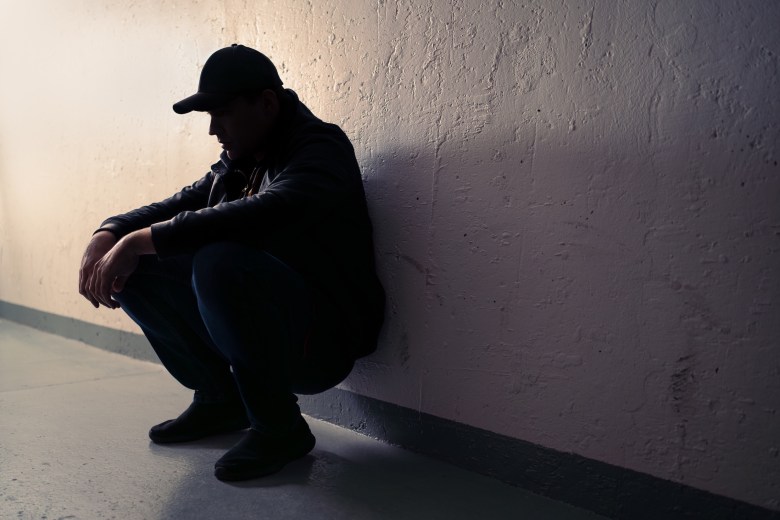
A man who found himself sleeping in one of Guernsey homeless pods said he was grateful to have a safe place to sleep at one of the lowest points in his life, but said getting back on his feet was largely down to help from friends.
Robbie, not his real name, said he appreciated having somewhere warm and secure after losing his home, but believes people using the pods need more practical support to help them move on.
“There’s nothing to help you after the seven days,” he said.
Caritas, the charity that runs the pods, told Express it was unable to comment on individual people’s circumstances, but said the pods were intended to provide emergency shelter while helping guests move towards greater stability.
It said it worked with guests and other organisations where possible to help them access services, transport and longer-term accommodation, while acknowledging that its capacity to provide ongoing, individual support was currently limited.
The charity also provides people staying in the pods with an information sheet signposting other services, including mental health and money support services.
Content warning: This article contains graphic images and references to strong language, which some readers may find disturbing.
Evicted
Robbie had fallen behind with his rent and faced a Royal Court judgment for thousands of pounds before his landlord forced entry to his flat and evicted him with less than an hour’s notice, he told us. Express has seen video of the forced entry.
While he accepts the court judgment and admitted he was not “blameless”, Robbie said he believes the way he was removed from the property may have been illegal.
He said he was given no notice, his belongings were taken without permission and he was charged more than £25 a day to store them by his landlord, while being allowed to take only one bag of possessions.
An ex-employer subsequently allowed Robbie to stay in staff accommodation, but that arrangement was temporary, so he then found himself facing the prospect of sleeping rough.

“I thought I’d never go in the pod”
Robbie said a friend suggested he reached out to Caritas to see if he could use one of the pods, which provide emergency accommodation for people experiencing homelessness, but he had initially resisted the idea.
“I thought I’d never go in the pod. I thought I’d never get in this situation,” he said.
Robbie said he had initially assumed the pods were only for people with severe problems, such as drug addicts.
“I drink a bit, but I’m not like that,” he said, but he had to put his pride aside and accept that he needed somewhere to stay.
“I think you just have to take the ego out and just be like, ‘Look, I’ve got nowhere else – and it’s better than the street’.
“At least you’re warm there, you know?”
“My ego and pride was there [getting in my way],” he said.


Robbie also described drinking as a way of trying to forget his problems while he was facing homelessness, but said he wanted to use his time in the pod to get back on his feet.
He said the pod provided a warm, safe place to sleep, away from the noise and potential dangers of sleeping outside.
Robbie said the experience had helped him establish a better routine, giving him a reason to get up in the morning and focus on finding work.
“I wanted to get out of the pod. You know, I didn’t want to just drink at night and sleep in, so it put me back in a good routine,” he said.
“If anyone does get in that position, it’s not the worst-case scenario, and it can help you to want to do better,” he said.
“The bed isn’t the best, but it’s a nice warm room, a safe room.
“You’re near the community centre. There’s no trouble, no loud noises – you’ll be safe.”
He described the accommodation as a “stopgap”, rather than somewhere he wanted to remain.
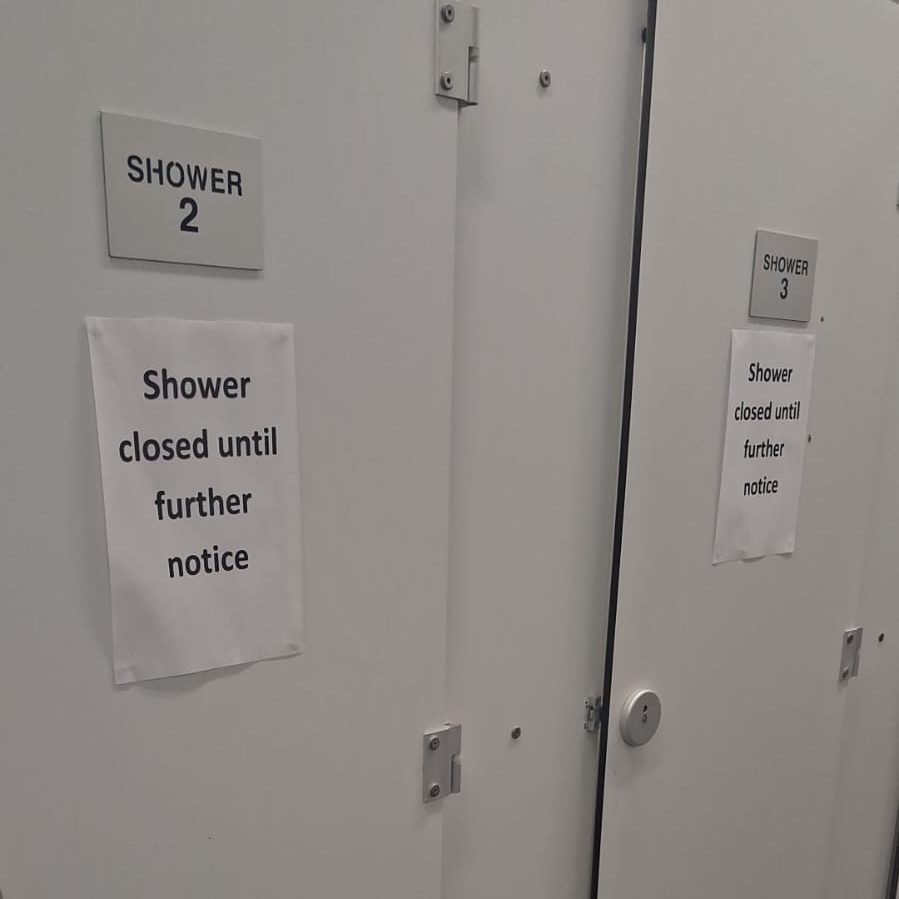
Showers closed because of Legionella
As there was no water in the pod, Robbie went to Beau Sejour every day to shower and buy a coffee when he first moved in.
However, after a few days the showers were closed because of Legionella in the water system.
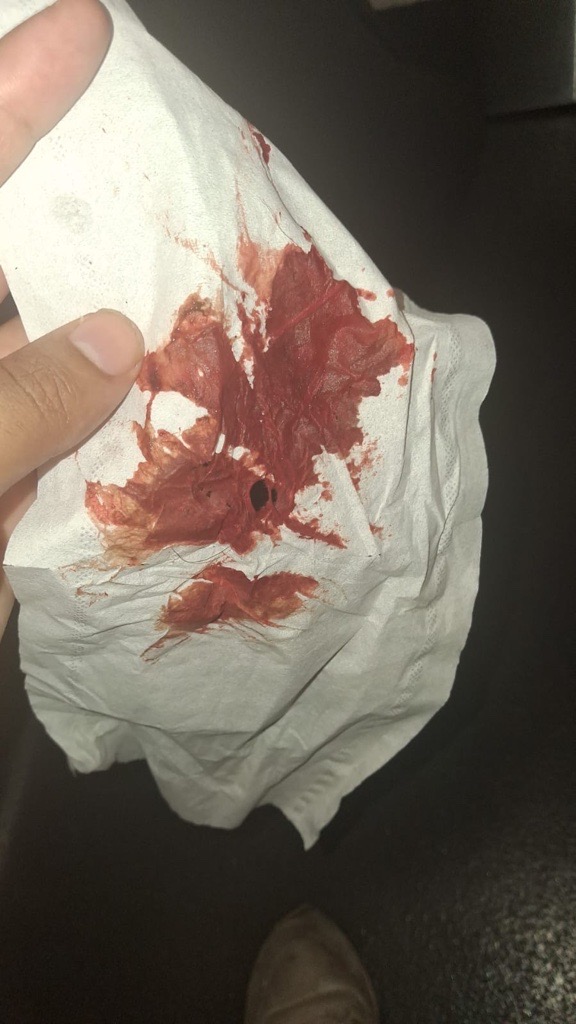
Pictured: Robbie fell ill after showering at Beau Sejour
before it was closed due to Legionella, and suffered
symptoms including bleeding.
Robbie became ill shortly afterwards, reporting severe diarrhoea, bleeding, a dry throat and a fever, but couldn’t afford to go to see a doctor to be tested for possible Legionnaire’s disease.
He has since recovered from the unknown illness.
“There’s nothing to help you after seven days”
Despite his gratitude, Robbie questioned what he described as a lack of practical support to help residents find a route out of homelessness.
He said he had not met any of the people running the pods and that the main messages he received were asking when he would be leaving.
“The only messages I get is asking when am I leaving? That’s the only messages I get,” he said.
Robbie also said the process of arranging a pod had been confusing and frustrating because he could not get through to someone when he needed help, as Caritas’ part-time volunteers were unable to pick up calls and answer texts straight away.
He said a friend had helped him navigate the application process.
“When you’re at rock bottom and facing sleeping rough, it’s hard to think straight.
That extra step would have been too much if I hadn’t had a friend who helped me get it sorted,” he said.
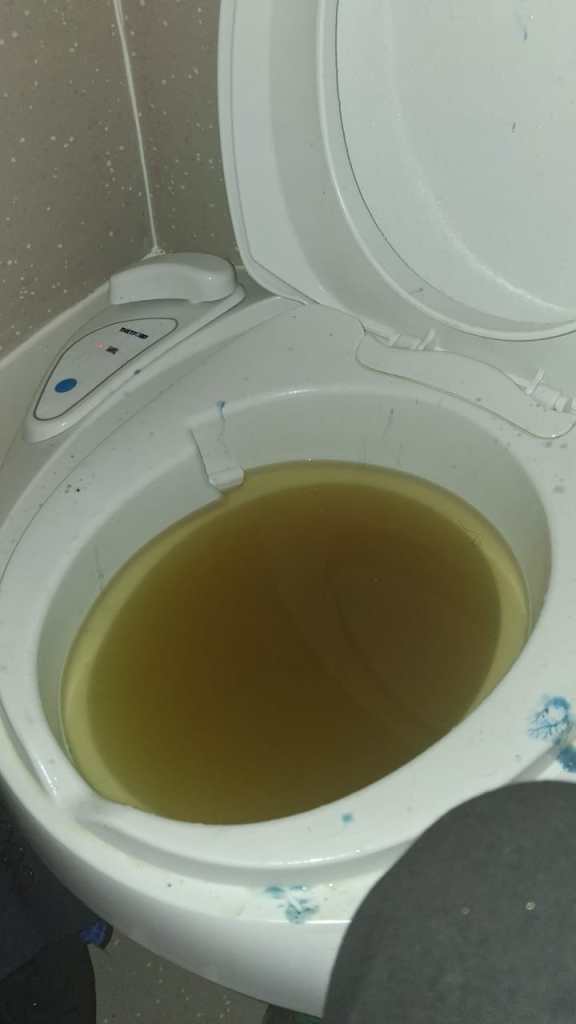
Pictured: The toilet became blocked and was
not cleaned during Robbie’s time in the pod.
Robbie said the practical conditions inside the pod had also caused difficulties.
While he was warm and dry, he said the pods are small, the single mattress is thin and hard, and there was no running water.
He was without a pillow for the first four or five days, he said.
He also described problems with the toilet, which he said was becoming full and needed to be emptied.
The cleaner was supposed to come, but she didn’t. It absolutely stunk, but it is what it is.
Robbie said he felt people in his position needed more than a temporary place to sleep, including better help accessing services, finding employment and securing longer-term accommodation.
He said he was concerned about what would happen to someone who had no friends or family to help them.
“If I didn’t have [support from friends], I’d be f***ed,” he said.
A way out
Robbie said he had begun applying for jobs while staying in the pod, using computers at the library to send his CV to prospective employers.
He focused on jobs that came with staff accommodation, giving him a potential route out of homelessness.
A few days before the interview, he learned he had secured a job offer outside the Bailiwick and expected to be able to leave the pod.
He said he wanted to thank the people who had established and run the scheme, despite his concerns about the support available.
“I’d just like to say thank you for helping me in this dark time,” he said.
He added that the pods could offer a second opportunity to people who had fallen on hard times.
Since moving off the island, Robbie has secured a second job in a bookshop and has stopped drinking alcohol, in order to give him the best chance of getting his life back on track.
Caritas’ full response
The role of the sleeping pods
Caritas introduced the emergency sleeping pods because we recognised an immediate need for safe, dignified accommodation for people who have nowhere else to go. Since the two pods were installed at the Vale Douzaine Rooms in late 2025, they have provided emergency accommodation for people facing a range of difficult circumstances, including sofa surfing, sleeping in cars and leaving prison without somewhere to live.
The pods provide basic emergency shelter, including a bed, toilet and charging point. They operate off-grid and do not have running water, so guests need to use external facilities for washing. We recognise these limitations, but the pods provide an important alternative to sleeping outside or in other unsuitable places.
Toilet maintenance and guest privacy
We take the cleanliness, maintenance and privacy of our guests seriously. The pods are cleaned between guests, and the toilets are emptied regularly by a specialist contractor, who accesses the toilet facilities from outside the pod.
To protect guests’ privacy and dignity, we do not enter an occupied pod. We therefore rely on guests to let us know if they encounter any problems during their stay so that we can respond promptly.
We were made aware of an issue with the toilets in one of our pods recently, after the cleaners brought it to our attention, and we immediately arranged for it to be resolved. This was the first time this issue had occurred. We encourage guests to contact us immediately if anything is not working as it should.
Support for guests and helping them move forward
We want the pods to be more than simply a place to sleep for the night. Where possible, we work with guests and other organisations to help them access the services and support they need. This can include helping to source transport e.g. bicycles, and helping to contact services that can support in the finding of longer-term accommodation
We always seek to ensure that guests have suitable accommodation arranged before they move on from the pods. Our aim is to help people move towards greater stability, rather than leave them facing the same immediate difficulties again.
As a volunteer-led charity, our capacity to provide ongoing, individual support is currently limited. We are working to strengthen the coordination of the service, improve communication with guests and build relationships with organisations that can help people access housing, employment and other support.
Our longer-term plans
The sleeping pods address an immediate need, but emergency shelter alone cannot resolve homelessness. Our longer-term ambition is to develop a community of modular homes providing supported accommodation for periods of six to 24 months. This would mean guests would have a stable home and individual support, offering a chance to develop practical life skills and pursue permanent accommodation.
We see this as an important missing link between emergency accommodation and a settled home of one’s own. The proposed model would enable people to receive support tailored to their circumstances, with the aim of helping them regain independence and build a more secure future.
We are also progressing plans for two additional emergency sleeping pods in St Peter Port, subject to planning approval. These would complement the existing provision at the Vale and increase our capacity to respond to immediate need.
We are grateful to our volunteers, partner organisations and supporters who have made the existing pods possible. We recognise that there is more to do, and we will continue to learn from guests’ experiences as we improve the emergency service and work towards a longer-term solution for Guernsey.
