

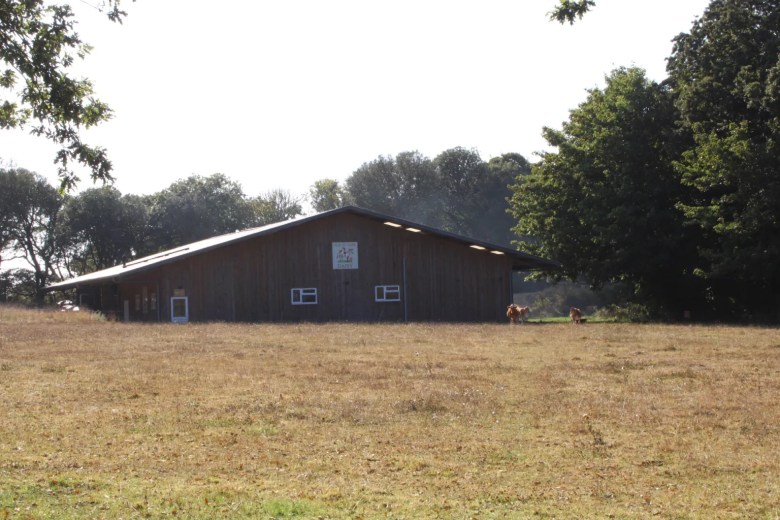
Sark Dairy could resume milk production early next year if all goes according to plan.
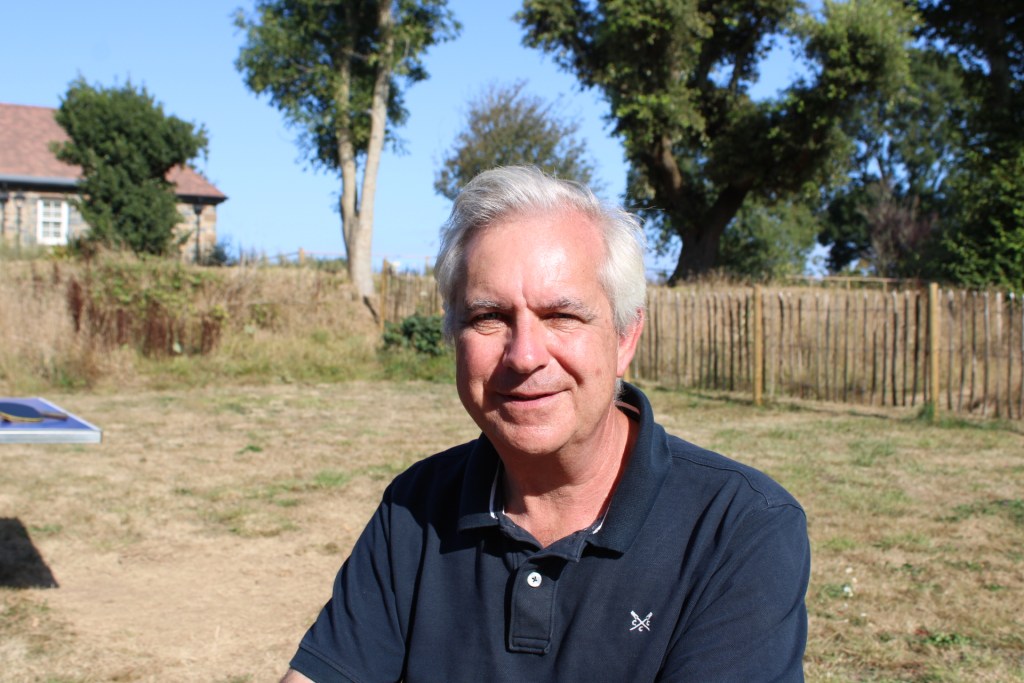
The Seigneur who is Chairman of the Sark Dairy Trust recently met the island’s potential new dairy farmers.
He said they hope to move to the island by the end of this year, start milking the herd in January, before producing milk from the spring.
This would follow more than a year of no milk being produced in Sark after the previous tenant farmers left the island to return to the UK earlier in 2025.
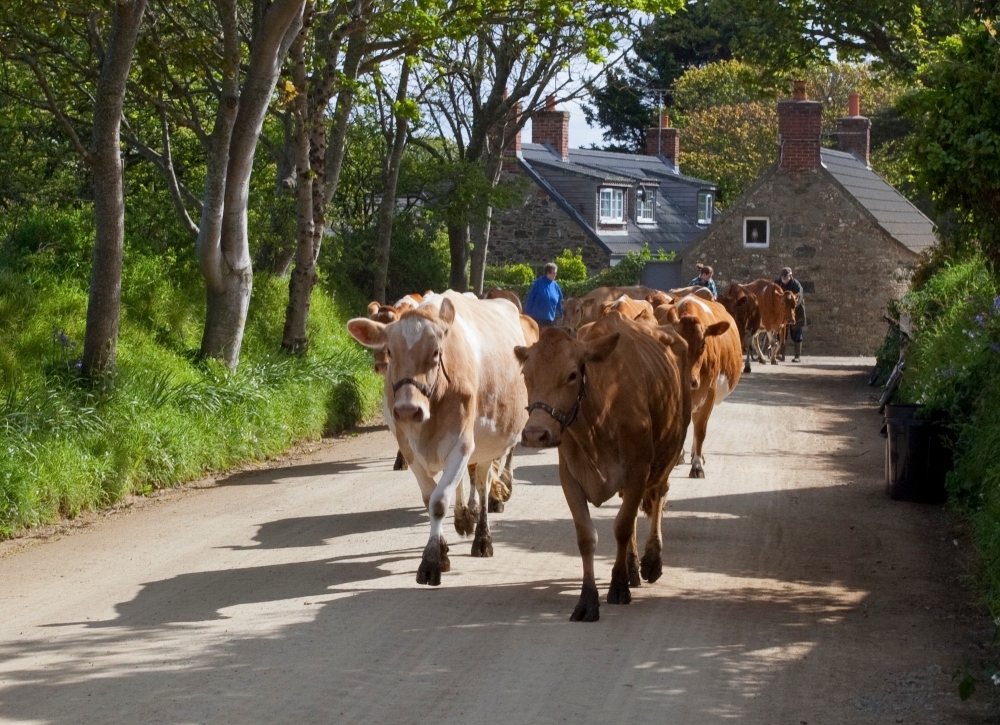
Their potential replacements were in Sark for a visit during late August.
“They’ve been visiting all the right people in Guernsey, the States vet, health and safety, farms, farm services, all the people you would expect them to go and visit in Guernsey,” said the Seigneur.
“(And) they’ve been over here today looking at accommodation and talking to people about stock and the commercial aspects of selling milk.”
He added that while accommodation could be an issue, he’s hopeful that can be resolved.
“We think that if they say yes, they’ll be here before the year end, but not much before the year end, with a view to start milking January. They’ve already identified cows that can start producing straight away, and then that means production can start after all the processes have been approved by Guernsey services. That means we could start production of milk in the early spring.”
The previous Sark Dairy farm tenants, Jason and Katherine Salisbury had moved to Sark in 2021 after the tenancy was advertised the previous year.
They crowdfunded themselves to raise money to build an actual dairy.
When they left the island, Mr and Mrs Salisbury said they had suffered a substantial financial loss during their four years running Sark Dairy.
The Seigneur acknowledged their difficulties, and said the approach will be different this time around, but it will be down to the farmers themselves to run the Dairy.
He also explained that farming in general remains integral to the way Sark is managed overall.
“It’s not necessarily about the milk, it’s about land management, and that’s the important part of keeping Sark’s landscape the way it has always been,” he explained.
“The fact that we’ve got fields that look like the fields that the Elizabethans would have been perfectly content with, we’ve still got them, is all down to the fact that we’ve got dairy, sheep, pigs, goats, all of those animals are managing the landscape on our behalf. They do a much better job than we do. And frankly, if we don’t have them, then the land will revert back to blackthorn and bracken and it’ll become unusable.
“Then somebody will say ‘let’s build some boxes on this’, which I don’t think would be a good idea.”
