


Sark’s La Coupée has been ranked as the fourth-best stargazing location in the British Isles ahead of the upcoming solar eclipse.
The narrow strip of land between Sark and Little Sark was the only place south of Wales to make the top 10, in the study commissioned by Lotus Car Rental.
While there is due to be a total eclipse in Greenland, Iceland and Spain, people in the British Isles will see about 90% of the Sun covered by the Moon – the most complete eclipse here since 1999.
More than 60 of Europe’s best-known stargazing destinations were analysed using criteria such as cloud cover, light pollution, altitude, daylight hours and visible star counts.
The study revealed where travellers have the best chance of enjoying clear skies ahead of the eclipse.
Sark ranked fourth due to the visibility of up to 5,000 stars, and boasting the lowest summer daylight hours of all the study’s locations.
These factors will enhance the possible undisturbed view of the solar eclipse.
What is an eclipse?
There are two types of eclipse visible from earth: solar eclipses and lunar eclipses.
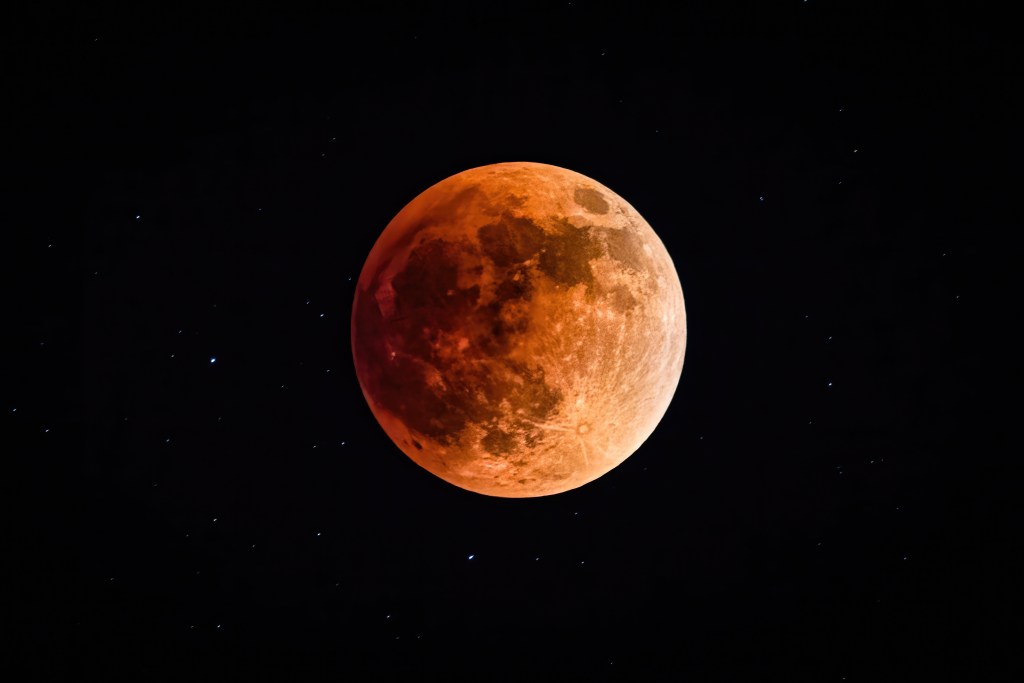
Lunar eclipses happen when the earth casts a shadow on the Moon, because it’s in between the Sun and Moon.
Solar eclipses happen when the Moon partly or completely blocks the Sun.
Total eclipses are when the Sun is completely covered by the Moon, creating glowing circle of light known as a corona.
While lunar eclipses and partial solar eclipses are relatively common – happening every few years from any given spot on earth – total eclipses are far rarer, happening about once every 375 years.

Total eclipses happen because the moon is about 400 times closer to the earth than the Sun, but also 400 times smaller.
While they may seem like an eternal phenomenon, they’ve ‘only’ been happening for about 200 to 250 million years.
The Moon actually moves away from the earth about 3.8cm a year, so when the earliest dinosaurs evolved the Moon would been larger in the sky than the Sun.
In about 600 million years total eclipses will stop happening, as the Moon will have drifted far enough away that it can’t fully cover the Sun.
