


The Bailiwick is set for its most dramatic solar eclipse in more than 25 years on Wednesday evening, with the sun reduced to a thin crescent above the western horizon.
Here’s where to watch it, what to expect, and how to do so safely.
The eclipse is only a partial one, but with up to 94.5% of the sun being covered it will be the most obscured the sun has been since the total eclipse of 1999.
Elaine Mahy, Secretary of La Société Guernesiaise’s Astronomy Section, said it would be “the most significant partial eclipse” since then, with the sky eventually taking on the appearance of sunset or dusk despite the sun remaining above the horizon.
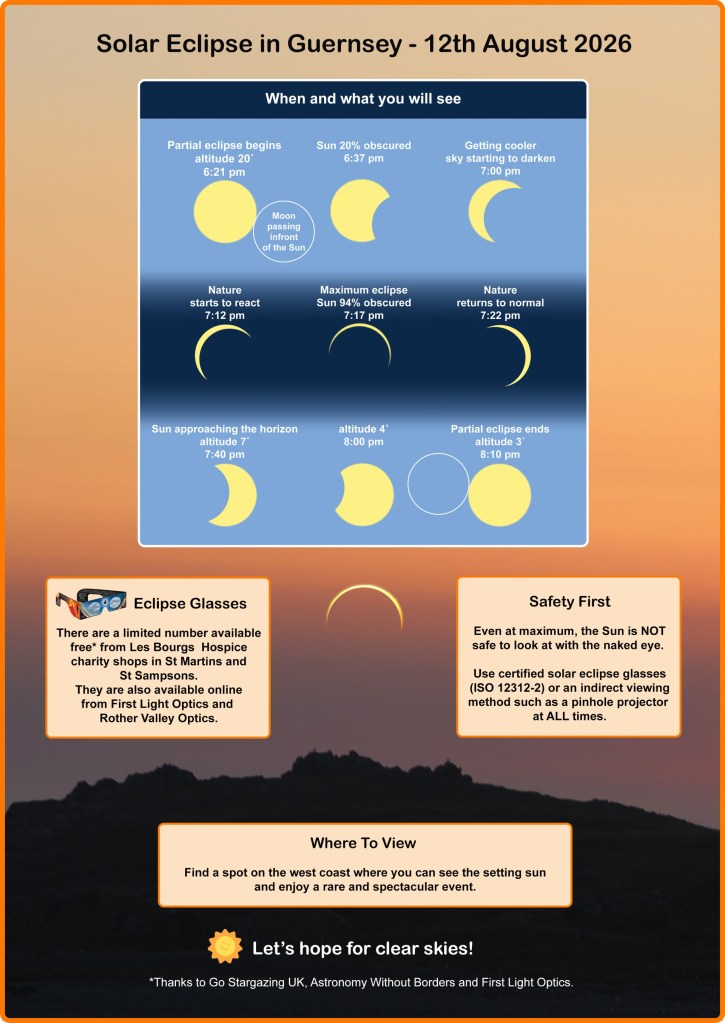
Since first contact, when the moon first touches the sun, is at 18:20 as the sun is coming down to set, a clear view of the western sky will make for the best viewing. Pleinmont, Cobo, and Grandes Rocques should all be good options, provided the horizon is clear.
Find a clear western view
According to the Astronomy Section, viewing location will be particularly important because the sun will be very low in the sky during the eclipse. At maximum eclipse it will be just 11° above the horizon and only 3° above it by the end of the event.
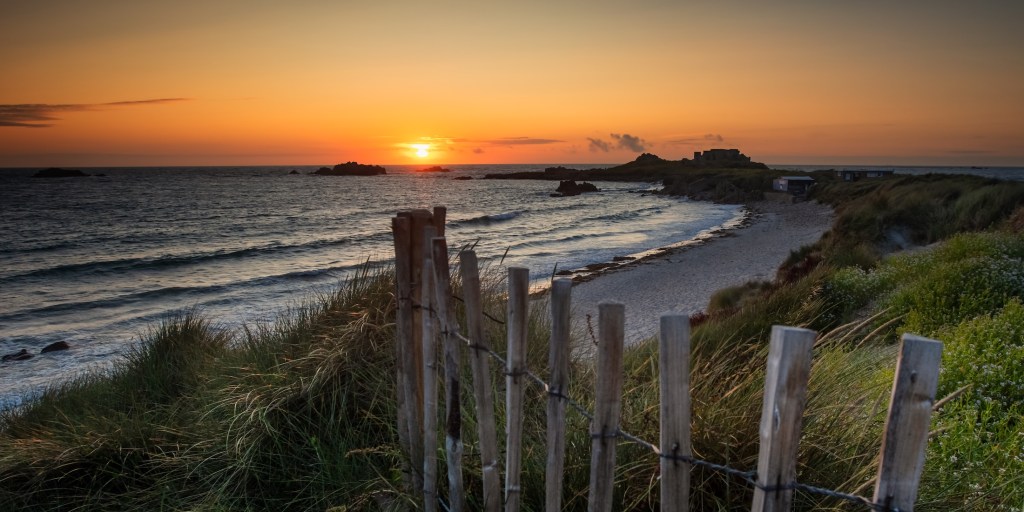
Ms Mahy said viewers would need “a clear view of the West / North West horizon” to make the most of the spectacle.
Locations across the west coast from Pleinmont to Pembroke are expected to provide some of the best views, although skywatchers should note that a spring high tide means there will be little or no beach available during the eclipse.
La Coupée, in Sark, has already been named one of the top five places in the whole of the British Isles to watch the eclipse.
If you want somewhere less exposed on the world’s first “Dark Sky Island”, then Island Hall is hosting a “Solar Eclipse and Pizza Night” with starguides on hand to explain the eclipse and pizza afterwards at Bon Marin Café & Captain’s Bar.
And of course, there are many great places in the west of Alderney and Herm to watch it too.
Those unable to get to the coast may still be able to enjoy the spectacle from home.
“If you enjoy a good sunset from where you live without too much in the way, chances are you will also see past maximum eclipse from there too,” the Astronomy Section said.
Stay safe – don’t look directly at the sun
Do not look directly at the sun, even briefly.
Looking directly at the sun will burn your retinas – the back of your eyes – after a very short amount of time.
During an eclipse, even a brief glance at the partially covered sun can cause serious retinal damage, potentially leading to permanent vision loss.
Because the retina has no pain receptors, you will not feel the damage happening, and symptoms may not appear until hours later.
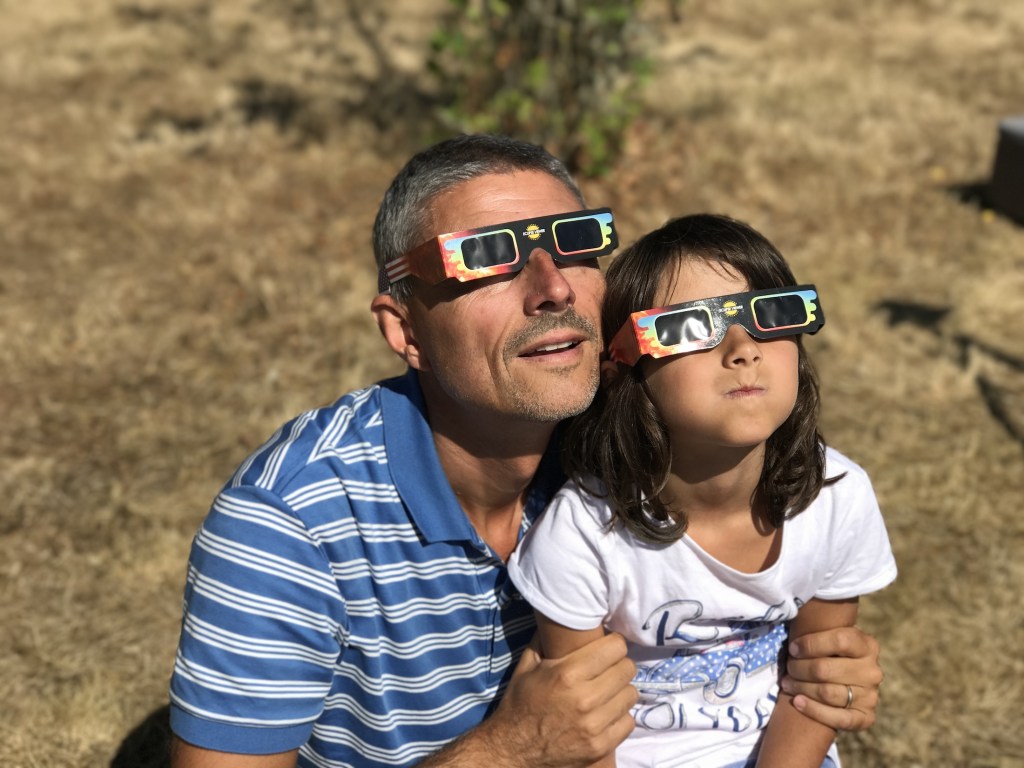
La Société has been encouraging islanders to wear solar eclipse glasses, but because of high demand all of their stock has now been given out.
If you’re able to get hold of a pair, check to see whether they’re certified to meet the ISO 12312-2 international safety standard.
Ordinary sunglasses do not block enough light and are dangerous to use.
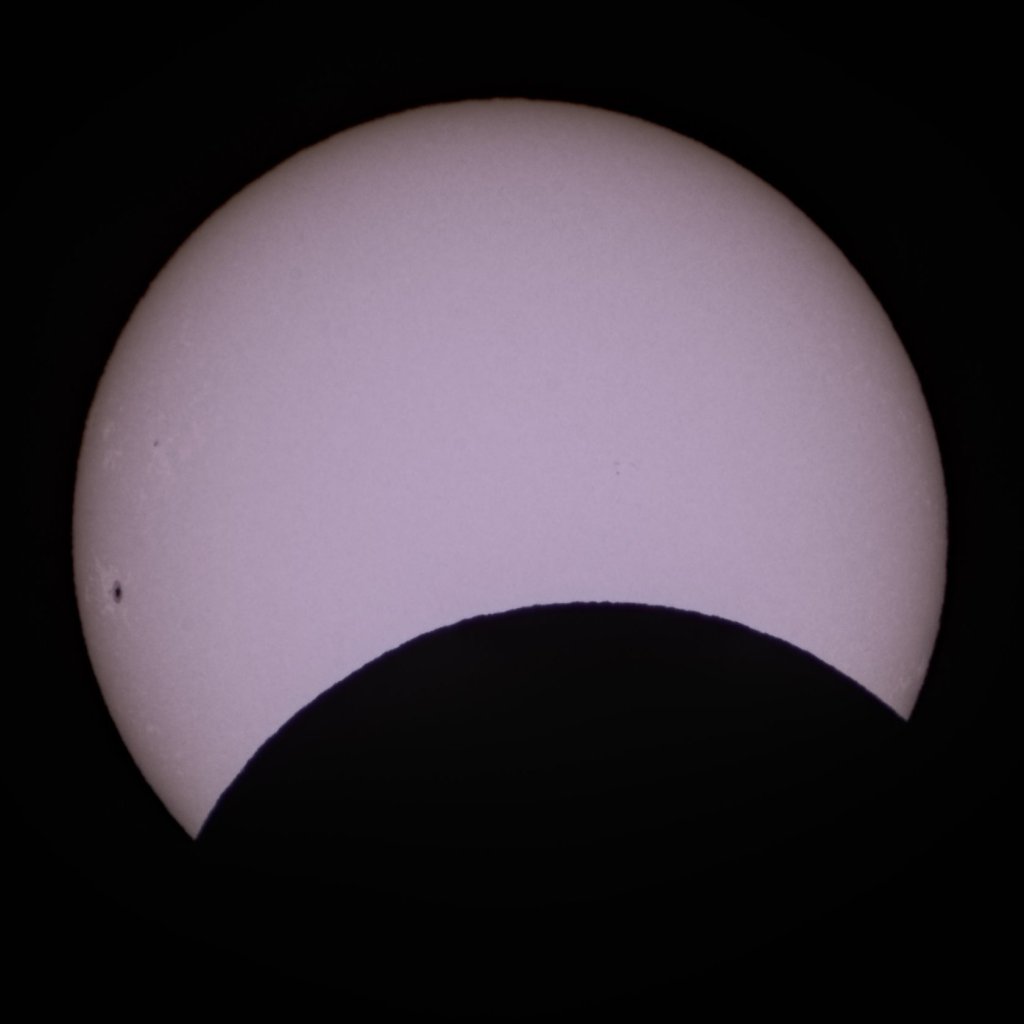
“The Sun will never be completely covered, and looking directly at even a thin crescent of the Sun can cause permanent eye damage,” a spokesperson warned.
Many shops and organisations distributing the glasses have already sold out, and it’s too later to order them online.
However, do not risk using ordinary sunglasses as they do not block enough light – even if they’re polarising – and are dangerous to use.
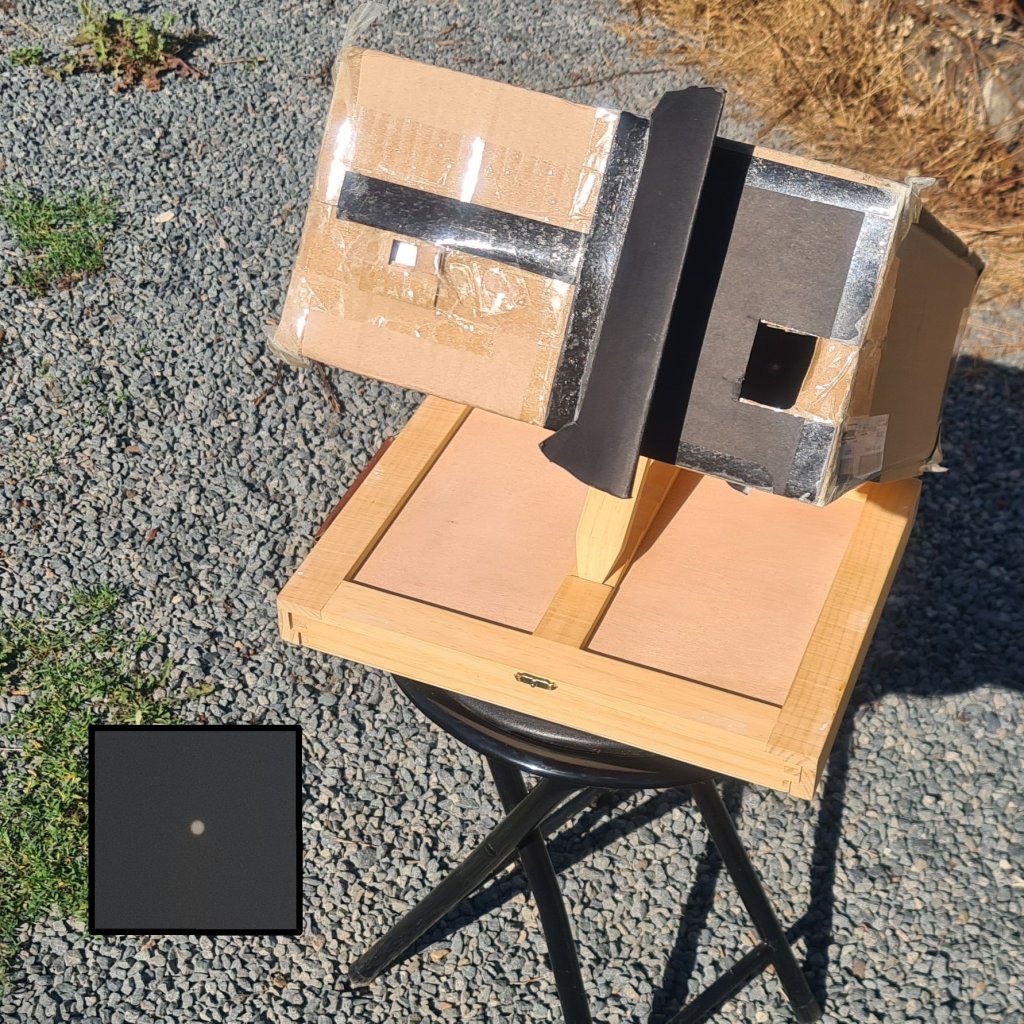
Instead, to view the eclipse safely, you can make your own pinhole projector with everyday items. This video shows you how to make one easily.
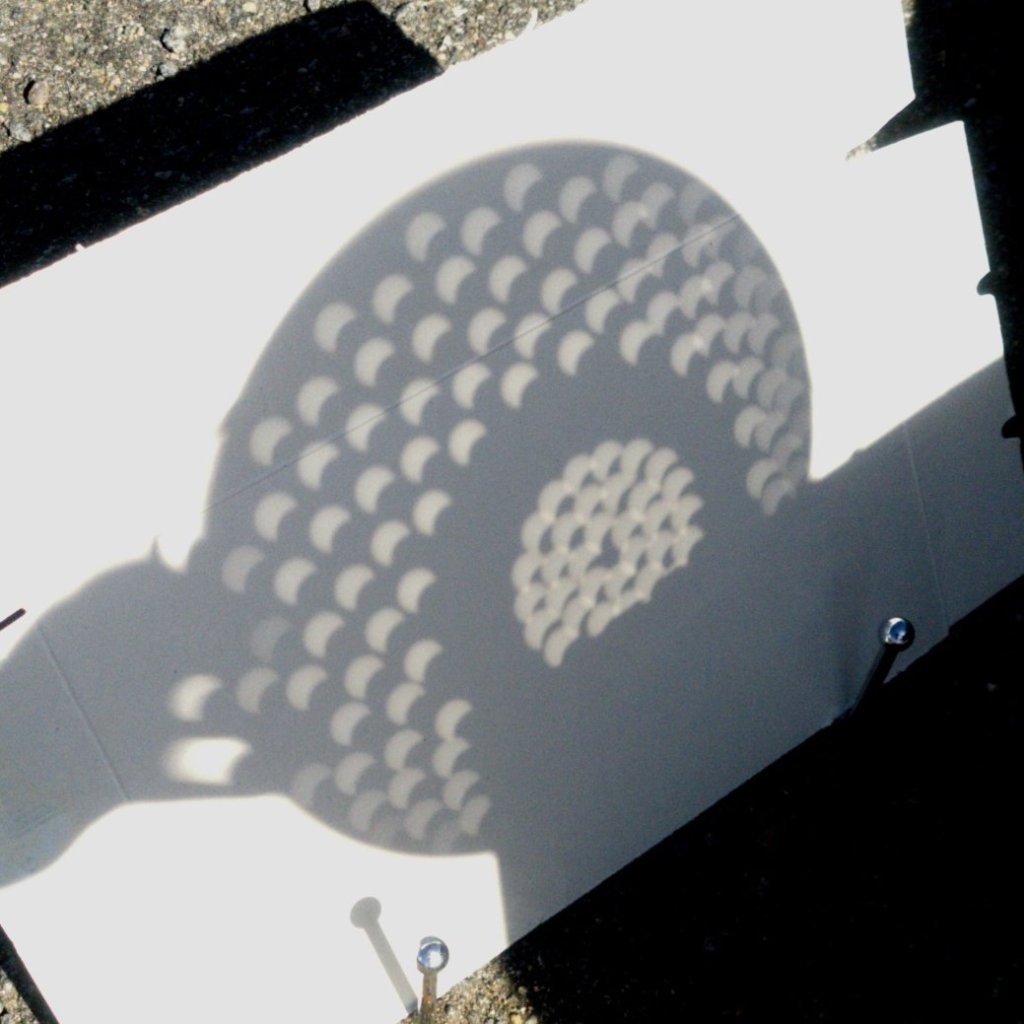
You can also use a hole punched through a piece of paper to project an image of the sun, use a colander to create dozens of tiny crescent suns, or look for crescent-shaped shadows cast by sunlight filtering through trees.
What to expect
The eclipse will last for 1 hour 50 minutes, with the maximum phase happening at 19:17.
Those watching safely from the start will see the moon take a small “bite” out of the sun before a narrowing crescent forms.
As the eclipse deepens, the sky will grow darker and the temperature could fall by a couple of degrees. Around maximum eclipse, some birds may fall silent as an early “night” for nature begins.
During the eclipse, the temperature will drop, so wrap up warm, while birds quieten and plants such as dandelions and daisies begin to close.
At maximum eclipse, up to 94.5% of the sun will be obscured.
The remaining crescent is expected to look “like a curved blade”, while the sky dims to “deep dusk” even though the sun remains above the horizon.
Final contact will be at 20:10 and the sun will set around 20 minutes later.
While the eclipse will only be partial in the Channel Islands, parts of Greenland, Iceland, northern Russia, Spain, and northern Portugal will see a total eclipse.
A celestial double-header
But the show will not end with the eclipse.
The evening of 12 August also marks the peak of the Perseid meteor shower, creating a rare celestial double-header for Bailiwick skywatchers.
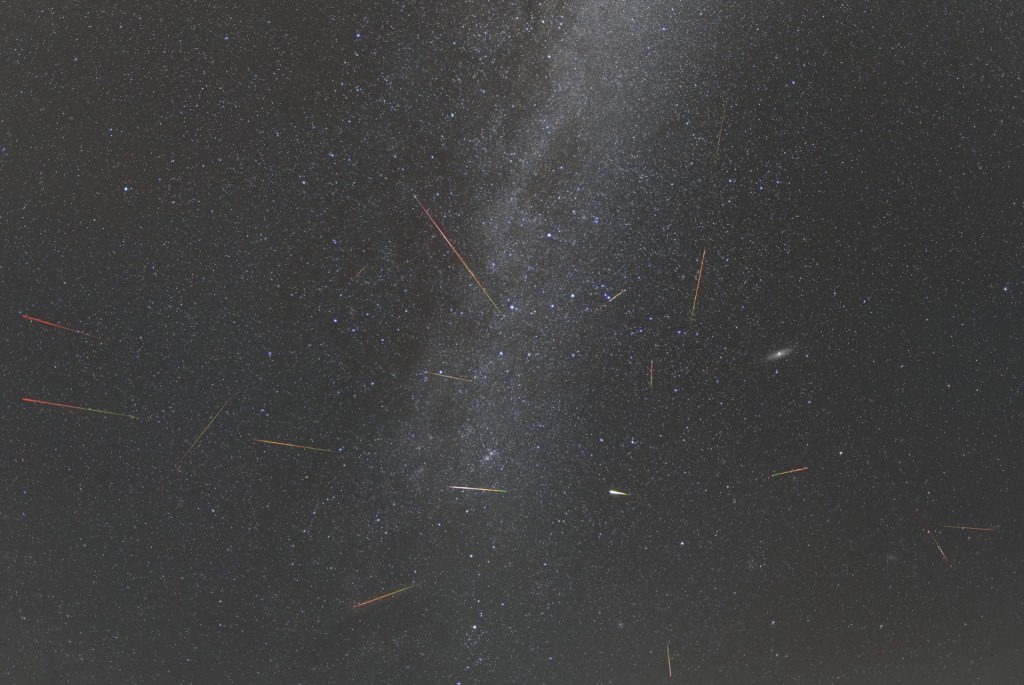
The most visible meteor shower of the year will be especially impressive because there will be no moon brightening the sky. Under dark conditions, observers could see between 60 and 100 meteors per hour streaking across the night sky.
Those with a good southern view may also enjoy some of the year’s best views of the Milky Way.
The Astronomy Section described the eclipse and meteor shower falling on the same night as “a particularly special date for Guernsey’s skywatchers”.
