

Deputy Peter Roffey has acknowledged that Guernsey is “still really struggling to deliver enough new homes” describing progress made during this political term as “woeful”.
The President of the Committee for Employment and Social Security gave an update on its work this morning.
In what is likely to be his last such statement as he is expected to retire from the States this June, Deputy Roffey confirmed the work going on behind the scenes to try and encourage more development of new housing including meetings with landowners, developers, and architects “going literally site-by-site, focusing on developments that could provide ten or more units so we can understand the specific barriers to housebuilding on each individual plot”.
He also explained that research has given the States a clearer understanding of the barriers faced by older homeowners who may be able to ‘downsize’, and said that efforts to tackle homelessness with the help of the third sector is continuing.
“We’re also working with the charity At Home in Guernsey to quantify the extent of homelessness in the island and best support the accommodation requirements of people who are homeless or at risk of becoming so,” he said, adding: “It’s worth reiterating that homelessness isn’t just about housing: so often, factors beyond the bricks and mortar also play a critical role, such as stable employment and freedom from addiction or domestic abuse.”
Deputy Roffey was put on the spot by political colleagues wondering why there has been so little progress when so many housing developments have been promised in recent years.
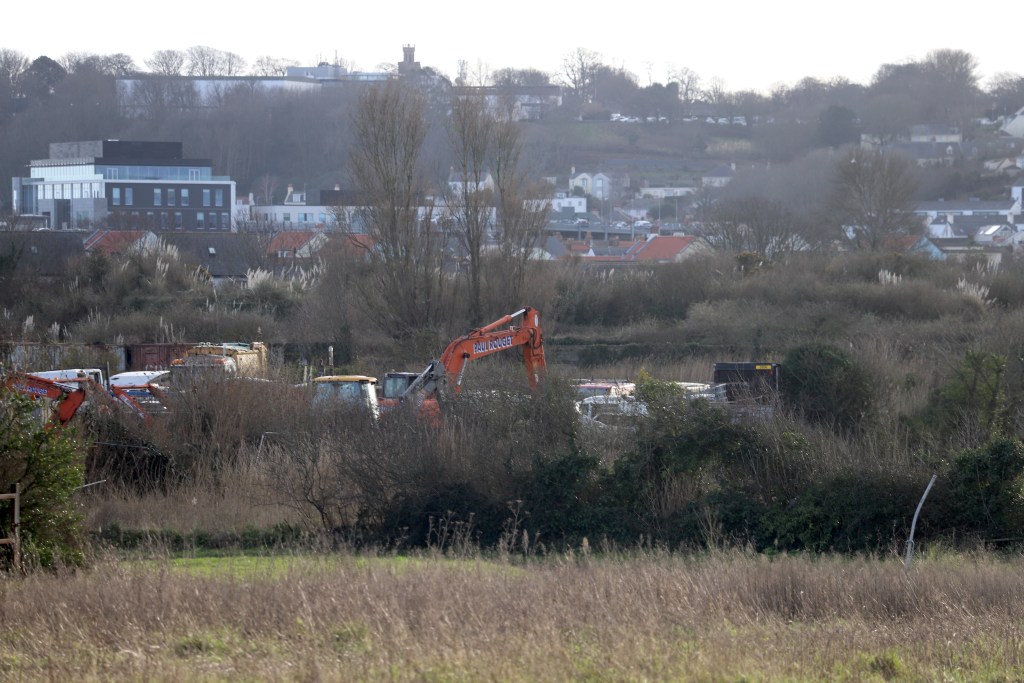
One example given was the Fontaine Vinery site, which Deputy Neil Inder raised as a query – reading from a 2022 press release which said there could be 91 homes on that site by 2024.
“I regret that, but P&R have made a submission to the IDP Review suggesting that Fontaine Viney be re-designated from housing into an industrial site, and clearly to plough on regardless spending large amounts of money on the detailed planning and implementation, if that is likely to be a core policy of this assembly, would have been highly irresponsible,” said Deputy Roffey.
“I certainly didn’t say that the affordable housing development program have been an unmitigated success,” he added. “Far from it.
“I’m the first to say that 101 units, either being completed or commenced during this political term, is woefully short of what we ought to have done. It’s not the zero that some members keep mentioning, but it is not enough, and it must accelerate.”
Deputy Victoria Oliver, the President of the Development and Planning Authority, highlighted another site which has seen little progress despite having planning permission for flats to be built by the GHA.
She said the DPA gave permission for the development at the former CI Tyres site in La Charotterie, having been encouraged to do so because building work could quickly start.
“I’ve noticed nothing much has happened,” she said.

Deputy Roffey assured Deputy Oliver, and the assembly that progress is being made and that the GHA will be making an announcement on new plans for the site, offering an increased number of residential units, shortly.
Efforts by the States to buy land for the purpose of building ‘affordable homes’ was highlighted by Deputy Sasha Kazantseva-Miller, who wondered why there has been little or no progress on sites such as the data park off Route Militaire.
“In the purchasing of those pieces of land, which would have been the Guernsey business park, Park Le Lacheur, and others, (were) any viability assessments actually conducted before such purchases which were made, which would have signaled the actual deliverability and the cost of delivery of those sites?” she asked.
Deputy Roffey said the issues relating to those sites are out of his hands but he agrees there needs to be action.
“My understanding, in every case, commercial valuations were commissioned which would have taken that into account. The painful fact is that most of the large sites still available in Guernsey and zoned as a possibility for housing carry with them significant problems, often structural problems. But I’m afraid that if we ignore those sites, there’s no way that we’re going to be able to deliver the number of units that we want to unless we want to start building on greenfield sites across the island which I don’t believe, is the desire of this assembly.”
