


A local campaigner for ethical technology has said Australia’s world-first ban on social media for under-16s could empower Jersey parents to limit their children’s phone use – but warned the issue is “highly complex” and cannot be solved by a single measure.
Emily Jennings, who is part of the Smartphone Free Childhood and Health Professionals for Safer Screens groups, made the comments after Australia introduced new rules requiring platforms such as Facebook, Instagram, X, YouTube, Snapchat, Reddit, and TikTok to remove accounts held by users under the age of 16 and block them from registering new ones.
The ban, which comes into force today, aims to protect young people from cyberbullying, harmful content and online predators – but critics have suggested it could isolate vulnerable teenagers and push children into unregulated corners of the internet.
Ms Jennings described the move as a “step in the right direction” but stressed there was no “silver bullet” for such a “highly complex” issue.

She said a co-ordinated approach from government and community leaders – through clear guidance and awareness-raising about the harms of social media – also offered ways to protect children short of an outright ban.
“Humans are highly social creatures, and we’ve combined a lot of different positive and negative forms of socialising into a mini-computer that goes in your pocket,” she said.
“Trying to untangle the risks from the benefits is incredibly complex.”
She added that Australia’s decision may encourage some Jersey parents to restrict their children’s social-media use, but questioned whether a similar ban would be practical in the island.
If our community leaders speak out about social media toxicity, they may not have to implement a ban
emily jennings
Ms Jennings explained: “It may be enough for Jersey parents to say to their children: ‘Australia is a bigger country than ours, and they say this is bad for children – so I’m not going to let you use it’.
“But it would be very expensive for Jersey – we’re a small, law-abiding, community-centric society. There are other ways we can get to the same result. We can promote real-life play and socialising. You don’t need a sledgehammer here to get people to abide by the law.
“If our community leaders speak out about social-media toxicity, they may not have to implement a ban.”
The campaigner said that “age-gating the hardware” – restricting access to smartphones and devices themselves – and regulating “addictive design” were also important.
“There will always be a way around software, so we have to do this at the hardware level,” she added.
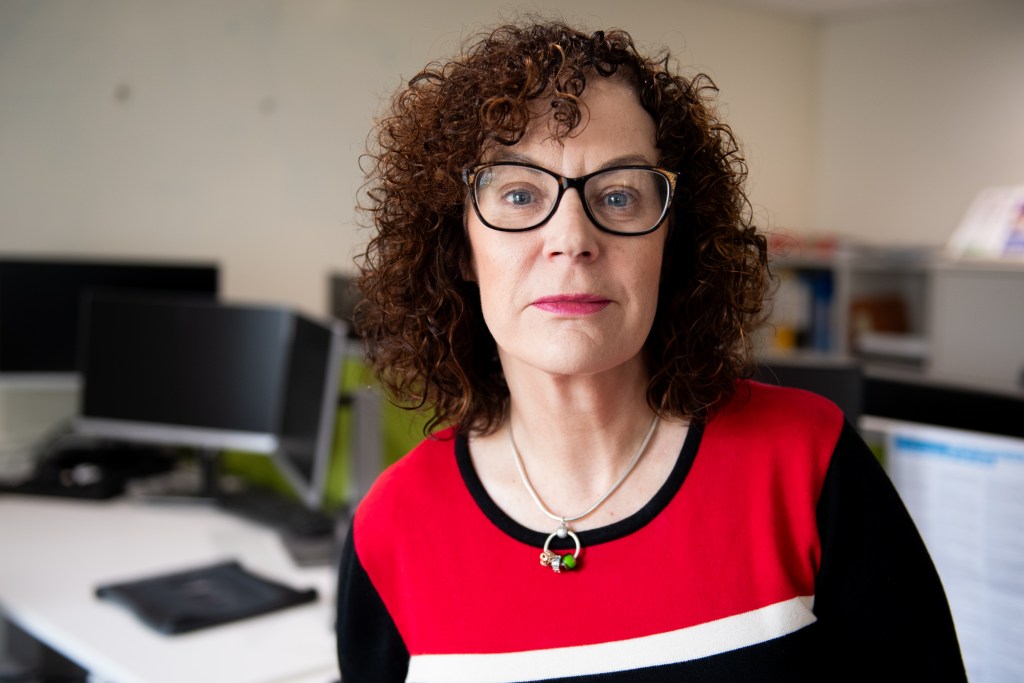
Jersey’s Children’s Commissioner, Dr Carmel Corrigan, said she was watching the Australian legislation closely, but emphasised the need to balance young people’s rights.
“It is important to balance children’s rights to education, information and participation in the digital environment, alongside their right to protection from online harm,” she said.
“While taking longer and needing more investment, we think that a range of other measures will better serve children and society.
“These include a tighter regulatory framework for online platforms, strengthening digital literacy skills for everyone, improving support for children affected by online harm, and making sure that children’s views are heard and inform any legal or policy changes.”
The debate comes after a Scrutiny review last month found Jersey is lagging behind the UK in protecting children from online harm.
The Children, Education and Home Affairs Panel said the island lacks an overarching online-safety strategy, and warned that safeguards were weaker than those in the UK and Europe.
