


Dubbed the ‘Safe Exit’ plan by government, the blueprint for a phased return to ‘normality’ is expected to include an easing of the maximum amount of time islanders are allowed out of their homes and being able to meet a small number of people from outside of their household.
However, social distancing – keeping a physical distance of two metres from those outside of one’s household – is likely to remain in place for many months.
That includes at local schools, which the Education Minister yesterday announced would be opening in phases from 1 June at the earliest.

Pictured: Dr Ivan Muscat advised that schools shouldn’t open until at least 1 June.
Senator John Le Fondré is scheduled to unveil the plans in a press conference at 14:00.
It comes as the number of patients officially confirmed to have the virus stood at 286 for two days in a row.
197 islanders are now deemed to have recovered.
While several islanders applauded the news of no new cases on social media, others urged against complacency.
Some suggested that Jersey should attempt to emulate New Zealand, and not begin easing restrictions until the number of covid-19 patients reaches zero.
The latest figures do not take into account those who may have had the virus and not been tested.
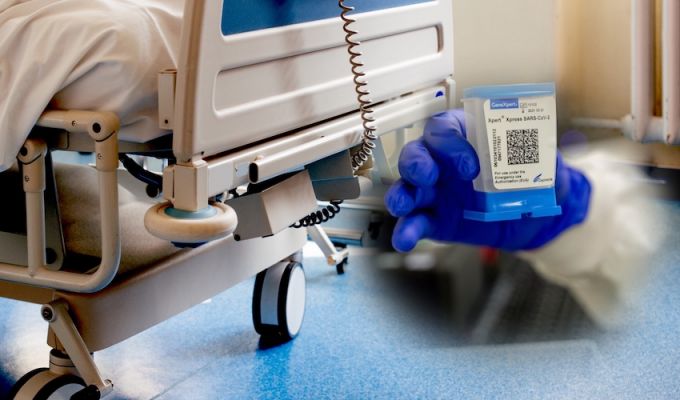
Pictured: The latest figures do not include those who may have had the virus but haven’t been tested.
The government is this weekend aiming to plug that knowledge gap by rolling out antibody testing – a pinprick examination that aims to determine who has already had the illness – to 500 randomly selected households.
The statistics will be used to help the government determine the best way to ease lockdown.
Then, from next week, regular testing and contact tracing will be ramped up with the aim of checking 500 potential covid-19 patients per day.
The moves in recent weeks, which include ensuring the hospital retains extra beds, the building of a field hospital and securing a significant shipment of PPE, suggest that Jersey’s government has largely been following the UK’s five criteria that must be met before unlocking lockdown:
- The health service is able to cope
- Daily death rates fall consistently
- Reliable data shows that the rate of infection is slowing
- PPE and test supplies are able to meet demand
- There is no risk of a second wave of infections overwhelming the health service
