
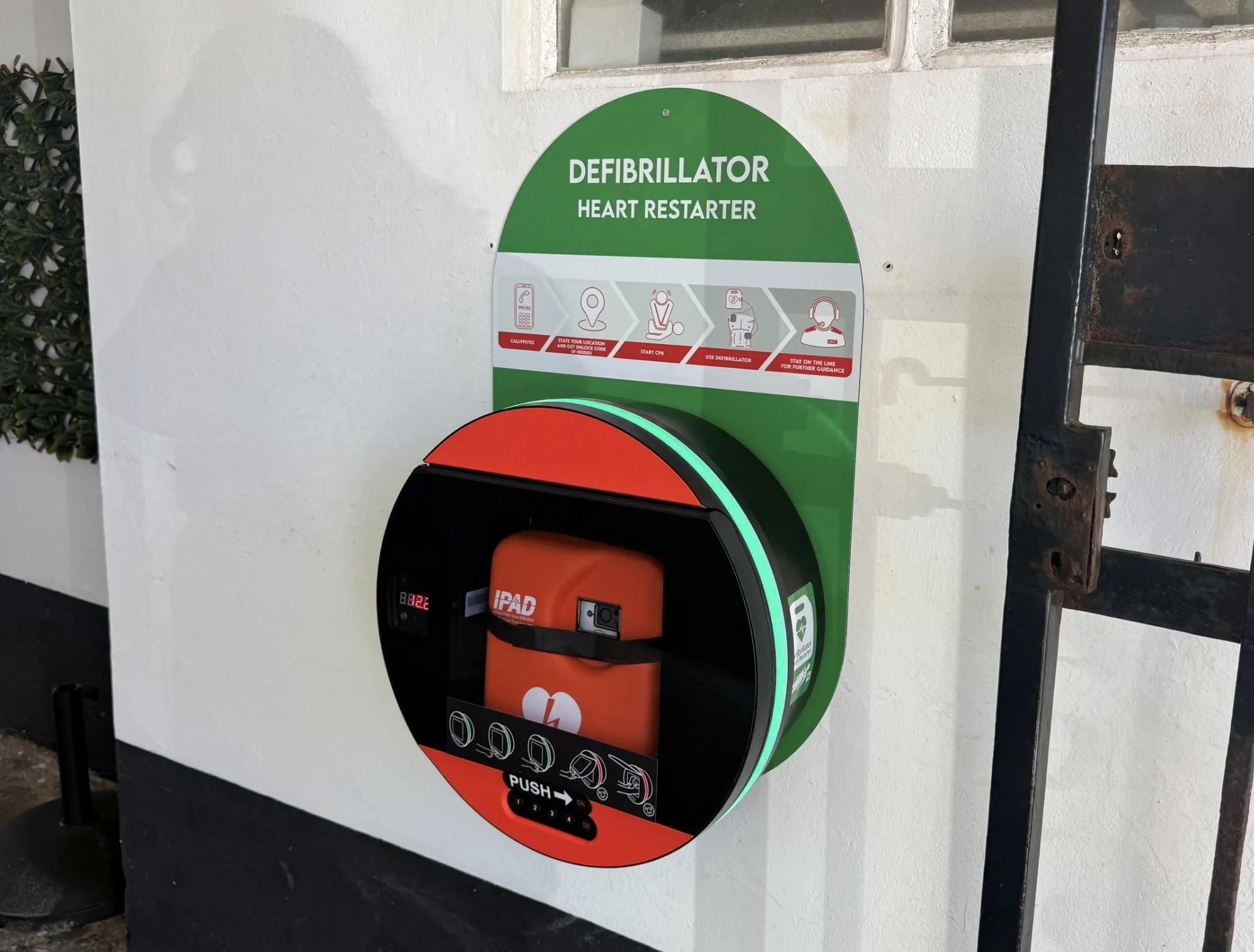

Jersey’s emergency services have “no real trust” in the Island’s network of publicly accessible defibrillators because there is no comprehensive system to ensure they are registered, maintained and ready to use, a paramedic has warned.
Despite there being more than 150 publicly available automated external defibrillators (AEDs) across the Island, there is no widely used central register covering them all.
Paramedic and first-aid trainer Nathan Judge said this means emergency services cannot be certain where every device is located, whether it is working or even who is responsible for maintaining it.
“I’ve personally gone to an AED in Jersey and not been able to open it; so the lock’s been seized, which isn’t something that happens overnight. That’s a long-term problem,” he said.
Mr Judge also raised concerns that emergency call handlers are not able to direct 999 callers to their nearest defibrillator because the registration system does not include nearly two-thirds of the Island’s AEDs.
People know where the nearest pub is, they know where the nearest Coop is, but they don’t know where the nearest defib is – which could save a family member’s life
Mike Harris, Jersey Heart Support Group,
Mike Harris, defibrillator network coordinator for the Jersey Heart Support Group, added: “People know where the nearest pub is, they know where the nearest Coop is, but they don’t know where the nearest defib is – which could save a family member’s life.”
An AED is a life-saving device used to treat someone in cardiac arrest by delivering an electrical shock to restore a normal heart rhythm.
According to the Resuscitation Council UK, using an AED within three to five minutes of a cardiac arrest can increase a person’s chances of survival by as much as 70%.
Mr Judge, who is also the director of first aid training company NAPA Medical, has launched a petition calling on the government to make public-access defibrillators “visible, reliable, and available to where people live and gather”.
The petition calls for mandatory registration of AEDs, creating a legal framework for their maintenance and accessibility.
It also proposes requiring new housing developments of five or more homes, along with new commercial and public buildings, to install defibrillators.
Mr Judge argued that “no one bats an eyelid at smoke alarms, fire extinguishers, emergency lighting”.
Jersey Heart Support Group already operates a voluntary registration system and has recently introduced a “defibrillator guardian” scheme, with volunteers carrying out regular checks on devices.
The charity is also developing a new website called defib.je, which it hopes will become a trusted central register that emergency services can rely on.
Mr Harris said he hoped the site would be fully operational “within a year”. Registered devices would be checked regularly and “any issues are dealt with straight away”, with a target of fixing reported problems within 24 hours.
He said Jersey already had “a really good position with the number of defibs” for its size and population, but added that many are concentrated in the south of the Island.
Both he and Mr Judge said the northern parishes and the south-west have fewer devices, reducing the chances of life-saving treatment being delivered within five to ten minutes.
There is no public funding available to provide new defibrillators. Instead, Jersey Heart Support Group supplies them at cost price, making no profit.
One recent community effort saw the Moorings Hotel in Gorey raise almost twice its fundraising target after a guest suffered a heart attack on Christmas Eve.
The campaign funded one AED for the hotel’s underpass and a second for Jersey Heritage, which will be installed at the top of Mont Orgueil Castle.
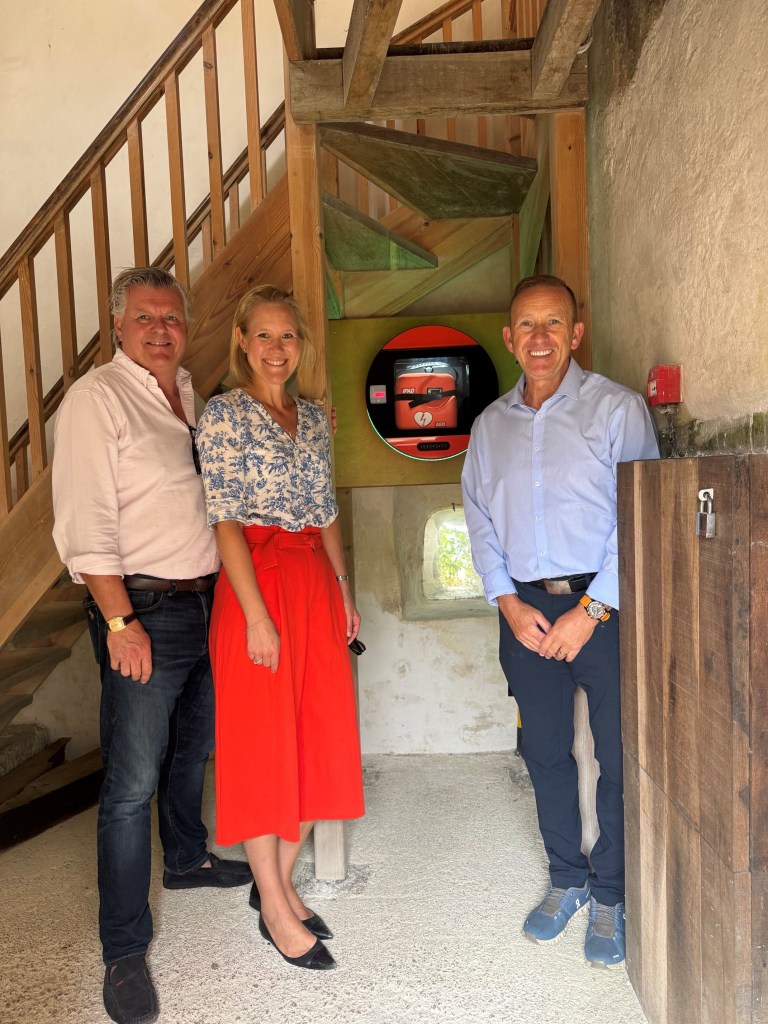
Hotel owner Iselin Jones said: “This life-saving device will be available to locals as well as visitors to the Island when they need it most.”
Mr Harris believes Jersey could become “one of the safest places in the world” if every public defibrillator was properly registered and maintained.
Responding to the petition, a government spokesperson confirmed that minister would “look into the suggestions made in this petition”.
“The Government of Jersey recognises the importance of defibrillators, which can play a vital role in saving lives,” the statement said.
“The government does not own or maintain the majority of defibrillators currently around the Island, which are purchased and maintained by businesses or community groups.
“It is the responsibility of the device’s owner to ensure that it is fit for purpose and remains accessible and functional.
“We are always ready to engage with constructive proposals to improve the health and safety of Islanders and will look into the suggestions made in this petition.”
Mr Judge also sought to dispel what he described as a “massive myth” that people need training before they can use a defibrillator.
“People still believe that you have to be trained to use an AED. You don’t. They instruct you of everything to do,” he said.
Anyone calling 999 will also receive guidance from the emergency operator if a defibrillator is available.
