

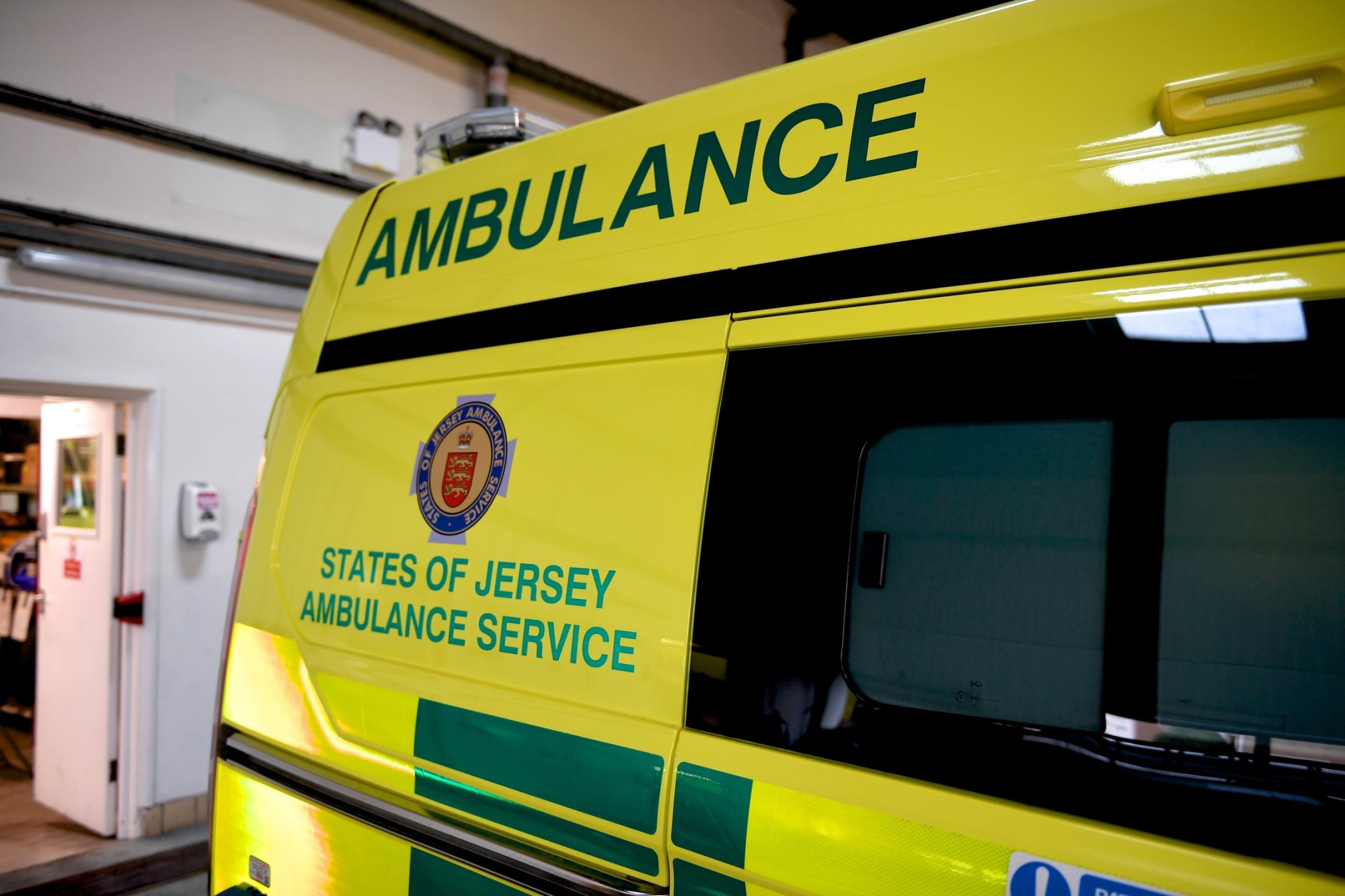
It cost more than £127,000 to launch Jersey’s new specialist paramedic programme – before paying the salaries of the four staff members employed as part of the scheme.
Figures released under the Freedom of Information Law revealed that the specialist paramedic programme has incurred £127,429 in identifiable costs since it was launched six months ago.
The expenditure covers agency staffing, relocation costs, a dedicated vehicle lease, standard uniforms and equipment, and training – but does not include the salaries of the four permanent specialist paramedics employed as part of the programme.
When the roles were advertised, the salary range was listed as £55,000 to £62,000 a year, meaning that specialist paramedic staff costs could total another £248,000 annually.
The specialist paramedic team was introduced as part of the Health Department’s wider winter plan aimed at easing pressure on the General Hospital.
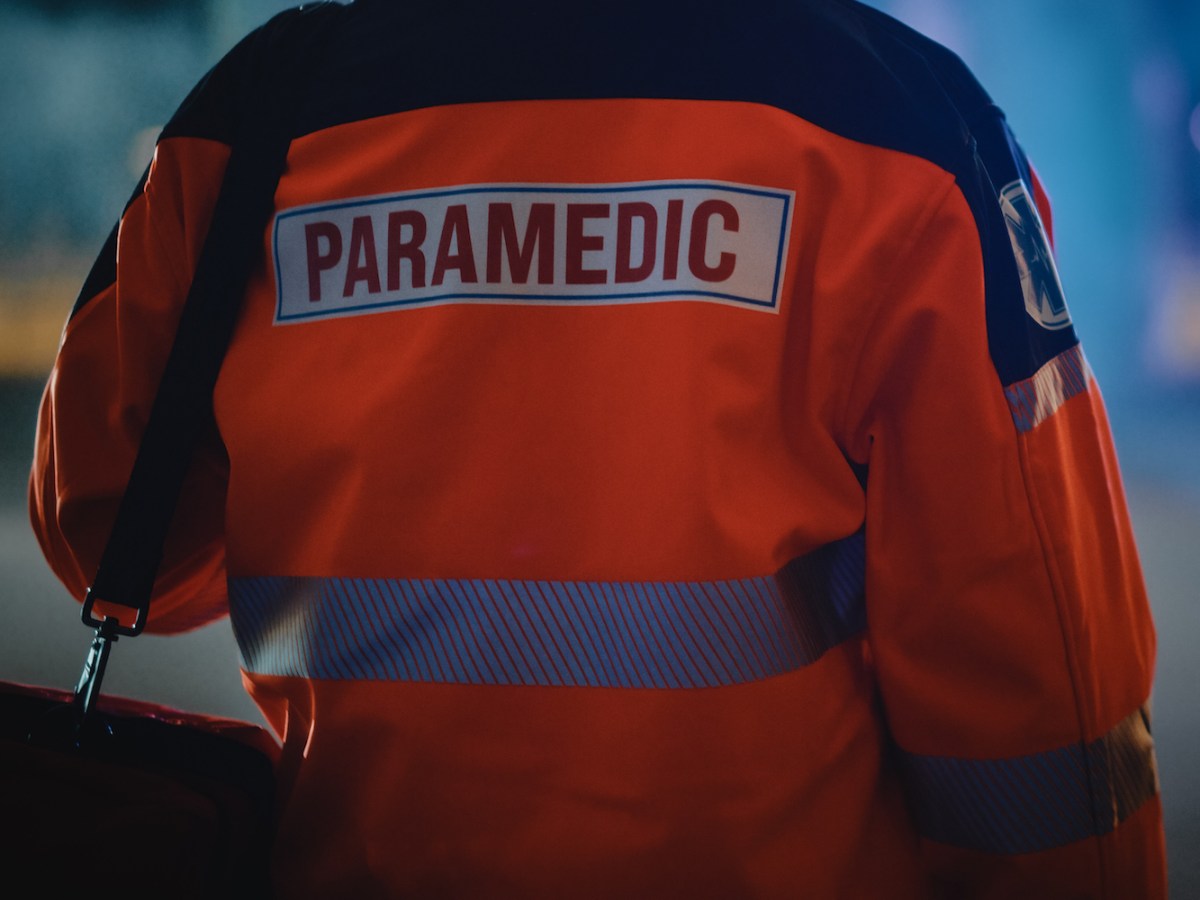

The advanced practitioners are trained to assess and treat suitable patients in the community rather than automatically transporting them to hospital.
Their role includes carrying out point-of-care assessments, managing lower-acuity but more complex cases, providing “hear and treat” telephone consultations, and referring patients to alternative health and care services where appropriate.
Under the model, blood tests taken by specialist paramedics can be processed by the hospital laboratory within an hour, allowing more patients to be treated closer to home.
The scheme forms part of a broader strategy to reduce unnecessary hospital admissions and improve patient flow through the emergency care system.
Other measures introduced alongside the programme include a rapid assessment and treatment area for ambulance arrivals, a new “Fit2Sit” waiting area for suitable patients, a same-day emergency care unit, and a “discharge to assess” service to support patients returning home sooner.
At the time the winter plan was launched, Health said the changes were designed to ensure patients received “the right care at the right time and at the right place”, while helping to reduce demand on frontline ambulance crews and the Emergency Department.
