

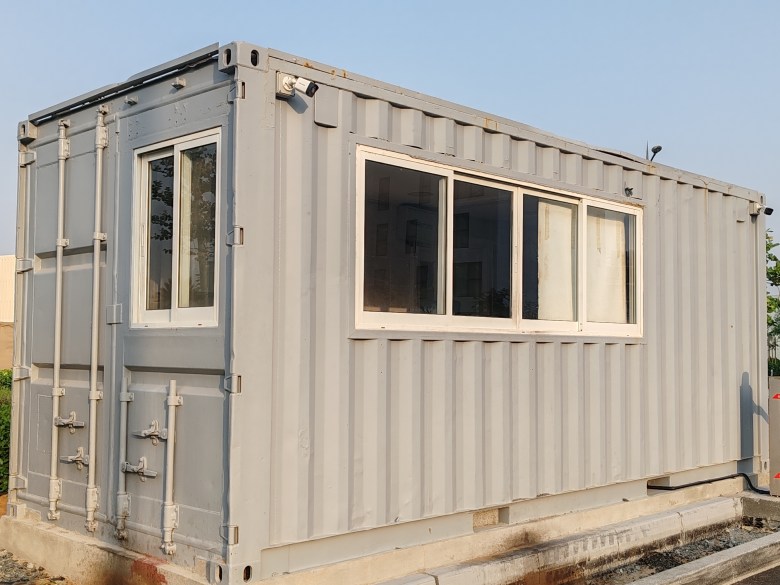
Farming representatives have defended their commitment to providing safe accommodation for seasonal workers after inspections uncovered more than 300 hazards in agricultural housing.
The Jersey Farmers’ Union described the sector as operating within a “robust framework of regulation and oversight”, with businesses investing in accommodation and worker welfare.
Its statement follows the disclosure that inspections of 295 agricultural accommodation units since May identified 315 hazards, with the majority containing at least one problem requiring remedial action.
Common issues included excess cold, electrical safety, damp and mould, falls risks and water supplies.
The union said: “Our seasonal workers are essential to the success of many farming businesses, and farms invest considerable time, resources and management attention to ensure accommodation meets required standards and provides a suitable living environment throughout the season.”
However, Home Affairs Minister Helen Miles told the States Assembly that Jersey Customs and Immigration Service relied on employers’ declarations about accommodation when considering work permits.
“Currently, due to resources, we do not have the ability to do any compliance or DIP sampling on those applications,” she said.
Asked whether she was satisfied that employers were actually complying with accommodation requirements, Senator Miles replied: “Sadly, I can’t give the Deputy that confidence.”
The minister said concerns about poor conditions were actively pursued, but Customs had no capacity to undertake compliance work.
The scrutiny follows the death of seasonal Filipino farmworker George Michael Monte De Ramos Castrudes (37) in January 2025 from a brain injury caused by carbon monoxide poisoning after lighting a makeshift fire to heat his cold portable cabin.
Following his inquest, Deputy Viscount Advocate Matt Berry urged ministers and the JFU to identify portable cabins used as winter accommodation and proactively assess their compliance with housing law.
The Planning and Regulation Minister said most hazards identified since May were minor and addressed promptly, although a small number required urgent intervention. No formal notices had been issued, with compliance secured through engagement with landlords.
Officials could not readily say how many units still needed repairs without manually reviewing records.
The JFU statement did not directly address those findings, instead emphasising employers’ interest in retaining experienced workers.
“There is a clear incentive for employers to ensure workers have a positive experience both at work and, where provided, in their accommodation,” it said.
