
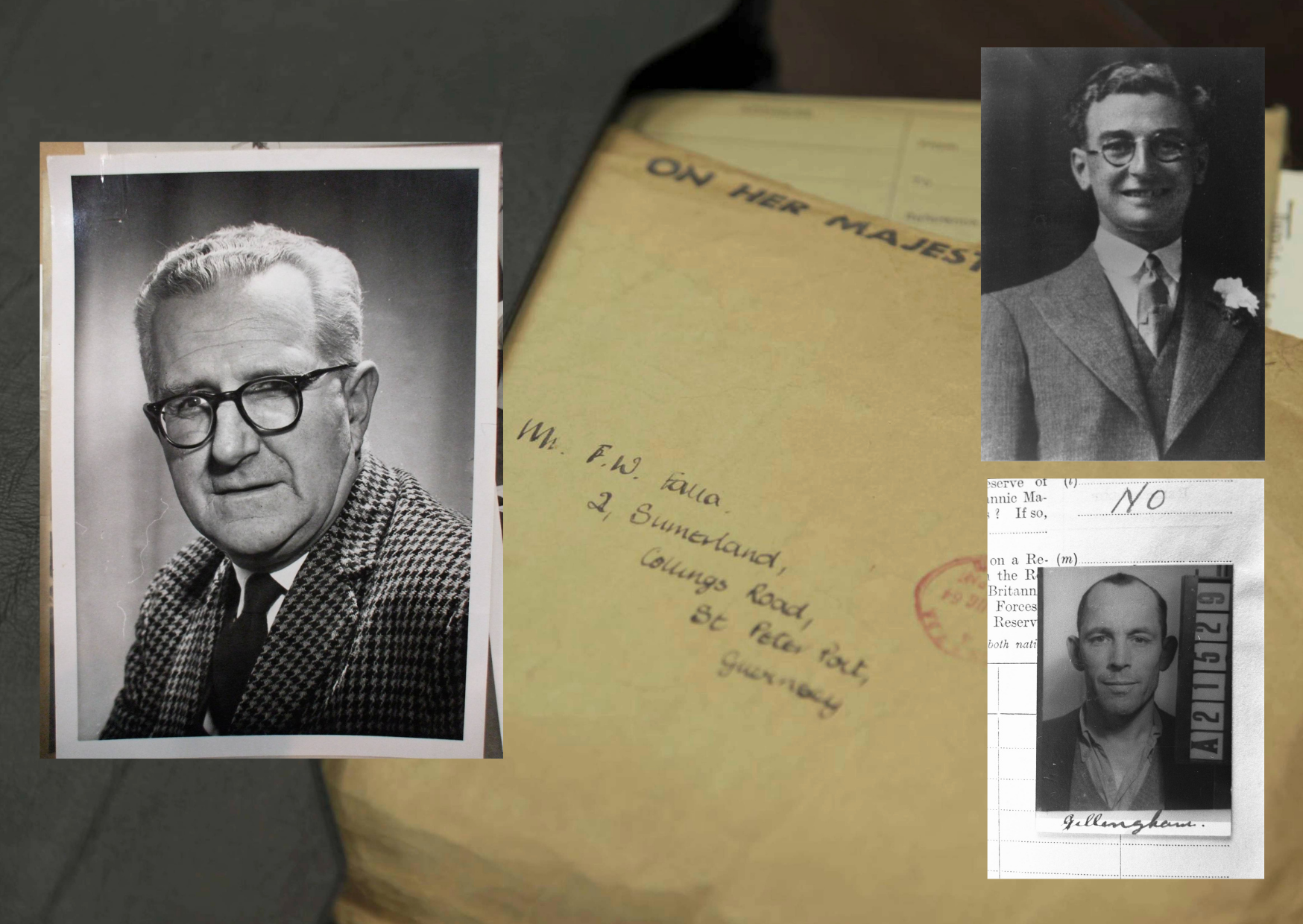

At a time when listening to the BBC was forbidden and radios were confiscated, a group of Channel Islanders risked imprisonment – and ultimately their lives – to make sure their neighbours still knew what was happening beyond the Nazi-occupied islands.
Now, more than 80 years later, the journalists and underground newsmen who secretly listened to, wrote and distributed forbidden news during the Occupation are to be honoured at the historic home of British journalism in London.
The Chartered Institute of Journalists launched an appeal to fund a memorial plaque at St Bride’s Church in Fleet Street, known as the journalists’ church – and has now surpassed its £1,000 target.
The appeal followed years of research by Dr Gilly Carr, a Cambridge University academic who spent a decade uncovering the fate of Channel Islanders persecuted by the Nazis during the Occupation.
But who were the people who took such extraordinary risks to keep the news flowing?
Express delved into the Frank Falla Archive to revisit the stories of three men who paid a heavy price for defying the occupying forces…
Joseph Tierney, Jersey
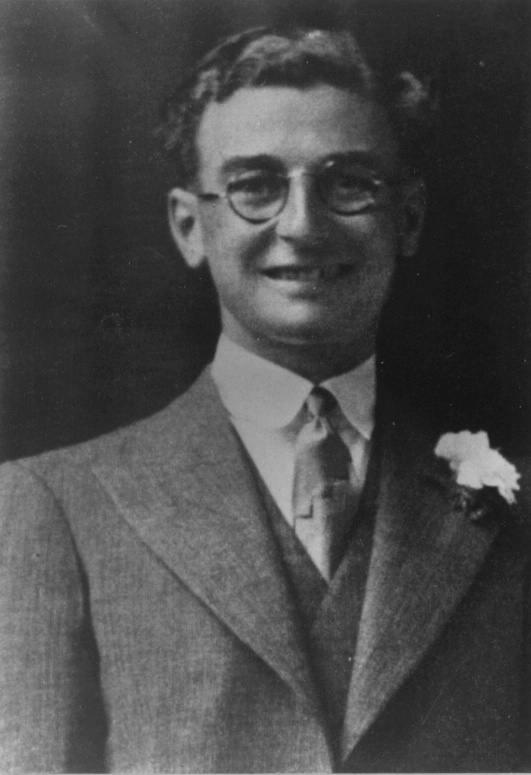
Joseph James Tierney, born 23 October 1912, was part of the St Saviour’s wireless case, a group involved in receiving and distributing BBC news during the German Occupation.
Every day he helped circulate independent news to Islanders at a time when listening to foreign broadcasts was prohibited and radios were confiscated.
Those involved produced news-sheets which were distributed across Jersey, including in St Helier and at the General Hospital.
Mr Tierney was arrested on 3 March 1943. He was one of 18 people eventually put on trial in the St Saviour’s wireless case.
He was sentenced to two years’ imprisonment for “manufacturing and distributing leaflets” and was subsequently deported from Jersey on 18 September 1943.
He was moved through a series of prisons in France and Germany, including Saarbrücken, Frankfurt, Naumburg and Halle.
Despite completing his sentence, Mr Tierney was not released immediately as he was caught up in the final forced movements of prisoners as the Second World War drew to a close.
He died in Kaštice, in what is now Czech Republic, due to suffering from serve illnesses, in early May 1945 – only days before the end of the war.
His body was eventually identified in 2016, which allowed his daughter to go visit his communal grave at Pšov.
Joseph Gillingham, Guernsey
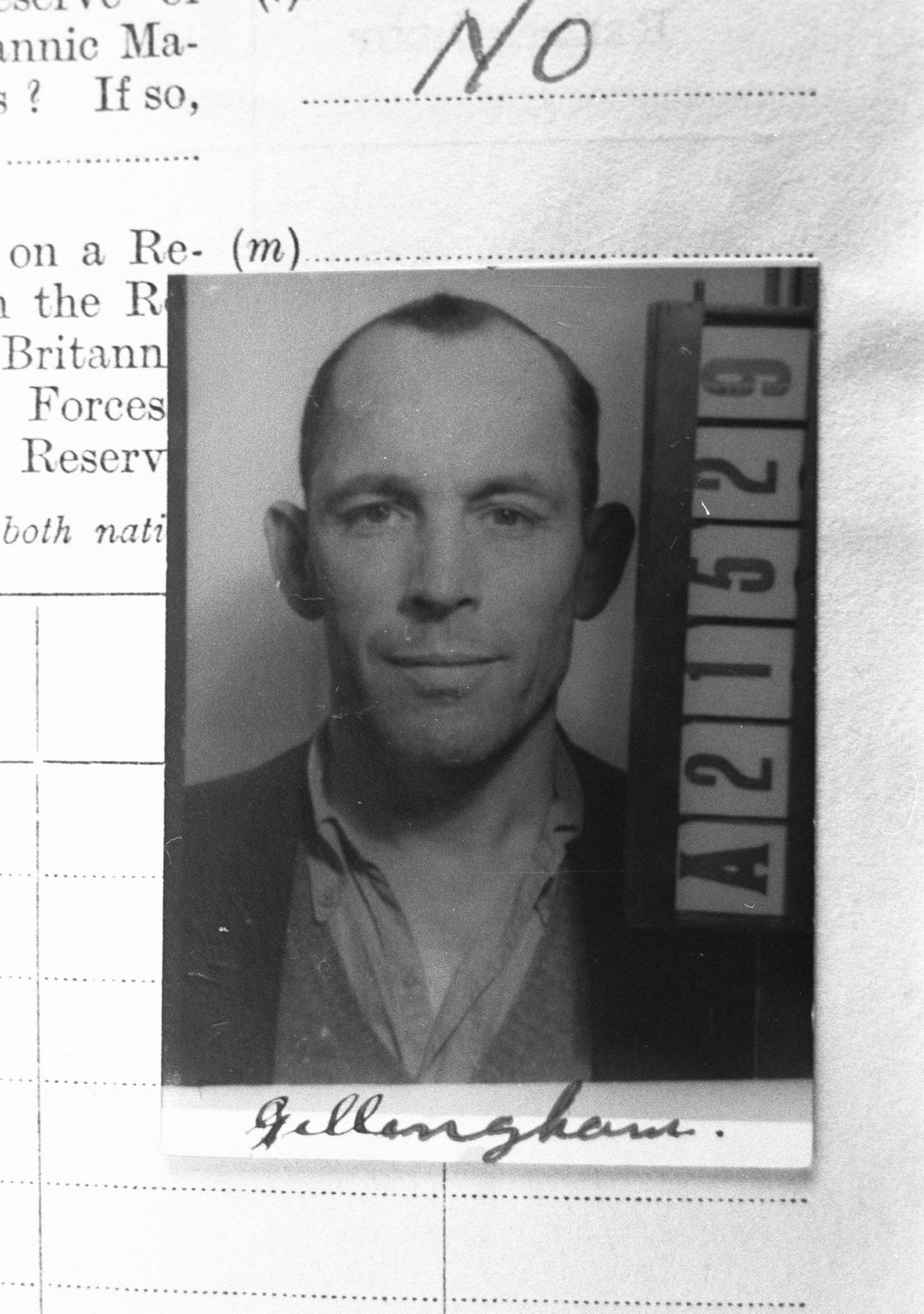
Born 12 September 1901 in Guernsey, Mr Gillingham was a key member of the Guernsey Underground News Service (GUNS).
GUNS secretly distributed BBC news around Guernsey after radios were confiscated in June 1942.
His wife Henrietta Legg secretly listened to the BBC and wrote down the news each evening, which Mr Gillingham would take into his workplace, which eventually got transcribed into news-sheets by another member of GUNS.
Around 300 copies were produced each day and passed around Guernsey.
Mr Gillingham appeared before a German military court on 26 April 1944 and was sentenced to 10 months’ imprisonment.
Later, Mr Gillingham was deported from Guernsey, leading to his arrival in Frankfurt Prison on 7 June.
After some time, he was transferred to Naumburg Prison, where he completed his sentence and was set to be released to a civilian internment camp.
He never reached the camp.
He left Naumburg, at estimated six stone and was instead taken to Halle Police Prison, where he died on 11 March 1945.
After taking part in the 2016 BBC documentary, Finding Our Fathers, his daughter and researchers unexpectedly found Mr Gillingham’s death certificate in the archives of Halle Police Prison.
71 years after his death, his daughter finally found her father’s grave.
Frank Falla, Guernsey
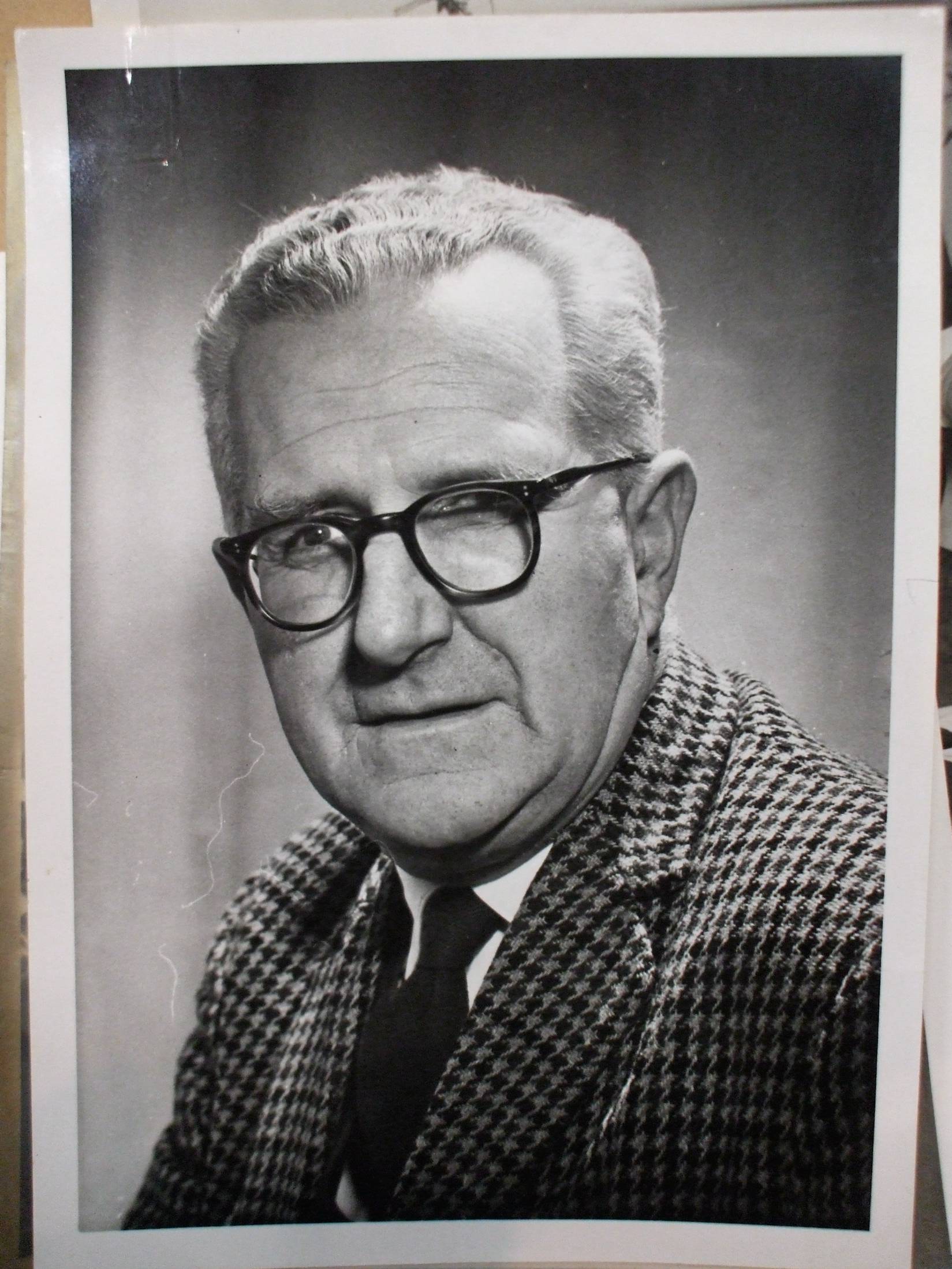
Guernsey journalist, Francis (Frank) Walter Falla, was born 30 March 1911 in Guernsey, and worked as acting editor of The Star and later assistant editor of the Guernsey Evening Press.
Mr Falla was one of five men involved in GUNS, where he used his journalist skills to assist the underground news service.
The name GUNS, was Mr Falla’s ideas and his specific role was to sub-edit the BBC news brought in by the other members, as well as contribute his own material.
Mr Falla was imprisoned in April 1944 and was deported to Frankfurt-am-Main Preungesheim Prison alongside the other GUNS accomplices.
In his memoir, The Silent War, he described hearing the cries of prisoners waiting to be guillotined and learning that large numbers were being executed at the prison.
At Naumburg Prison, Mr Falla recorded the names and dates of eight Channel Islanders who died.
Mr Falla was desperate to survive in order to be able to share the fate of his fellow journalists to loved ones back home: “It was the least I could do,” he wrote, “for the relatives of those who waited in vain for those of my colleagues who had failed to pull through.”
Mr Falla survived until Naumburg was liberated by American forces in April 1945.
After returning to Britain, he came back to Guernsey on 26 July 1945. He wrote articles for the Guernsey Evening Press about his experiences and visited the families of his dead fellow prisoners personally to tell them what had happened.
Mr Falla helped fellow islanders apply for compensation from the British Government for Nazi persecution – becoming a spokesperson for Channel Islanders who had suffered or died in Nazi prisons.
Around 100 people from the Channel Islands submitted claims, with 50 successful.
He later went on to write his 1967 memoir, The Silent War, documenting his wartime experiences.
In 2010, historian and academic from Cambridge Dr Gilly Carr, found Mr Falla’s daughter and discovered that she had preserved his entire archive. This became an important record of the Channel Islands’ wartime history and is highly digitised.
Mr Falla died in 1983. In July 2024, a Stolpersteine memorial stone was laid outside his former home in Guernsey.
Mr Tierney and Mr Gillingham also had Stolpersteine stones laid at their previous homes.
You can access more in-depth information about these local wartime heroes here.
