


It has a population of around 2,000, measures barely three-and-a-half miles from end to end and is better known for its beaches, forts and famously relaxed pace of life… So how exactly did Alderney find itself at the centre of a political storm over the possibility of hosting the vast computing infrastructure helping to power the global artificial-intelligence revolution?
The States of Alderney yesterday issued its clearest attempt yet to answer that question, insisting that no data centre has been approved, no developer appointed and no site selected.
It follows months of intrigue, political arguments and even the suspension of an elected representative over what has variously been described as a possible data centre, a “hyperscale” development and a potentially “economically transformational” opportunity for the tiny Channel Island.
Express explores what’s been going on…
First thing’s first… just how small is Alderney?
Alderney is the third-largest Channel Island, but still substantially smaller than Jersey and Guernsey.
It measures around three-and-a-half miles long by one-and-a-half miles wide and has a resident population of just over 2,000.
Alderney has also long had an unusually old population: official census figures previously showed around a quarter of residents were aged between 65 and 84.
Its infrastructure challenges are hardly those normally associated with becoming an international technology powerhouse.
The island has spent much of this year wrestling with the reliability of its air links, while a project to carry out essential work at its tiny 877-metre airport has a budget of up to £24 million.
With that in mind, the idea of plugging Alderney into one of the fastest-growing – and most resource-hungry – industries in the world sounds, at first glance, slightly extraordinary.
So… where did the data centre idea come from?
This isn’t entirely a figment of Alderney’s political imagination – earlier this year, it emerged that the Island’s leaders had commissioned an independent feasibility study into whether the island could host a data centre.
Its conclusion was striking – that such a development was not only feasible but could be “economically transformational”.
The States subsequently invited expressions of interest from developers.
Officials said a centre could generate lease and royalty income significantly exceeding Alderney’s existing annual revenue from property taxes and document duty, while potentially bringing jobs, inward investment and even infrastructure capable of reducing household energy costs.
And there is a wider reason why somewhere as remote as Alderney might even enter the conversation.
AI is fuelling extraordinary demand for computing power, while data-centre developers are increasingly looking beyond traditional hubs such as London, Frankfurt and Amsterdam in search of available land and, crucially, power.
Recent analysis by Reuters found that new European data-centre developments are increasingly being pushed into more remote locations as developers hunt for cheaper land, energy and faster grid connections.
Alderney, meanwhile, sits alongside some of Europe’s potentially most productive tidal flows.
That doesn’t make an Alderney data centre commercially viable, but helps explain why the idea isn’t quite as outlandish as it initially sounds.
And then things got political…
States Member Alex Snowdon emerged as a vocal critic of the process, arguing that Islanders were not being told enough about what was happening behind closed doors.
He claimed that the States’ Economic Development Committee had previously received a proposal for hyperscale data centres of up to 250MW, that a confidential memorandum of understanding had been signed and that politicians had visited potential sites with the company involved.
Mr Snowdon also raised concerns about the possibility of a facility at Mannez Quarry.
But his handling of confidential information eventually became the subject of complaints to the parliamentary standards watchdog.
The Commissioner for Standards found that he had disclosed confidential information and had inaccurately told a member of the public that a data centre was “going into Mannez Quarry” when no such decision had been taken.

He was ultimately suspended for three Alderney States sitting days and ordered to apologise – something he has said he will not do.
Mr Snowdon maintains that he was acting in the public interest and has accused colleagues of attempting to “gag” him because of his opposition to the project.
So IS a giant data centre being built?
As things stand, it seems the answer to that question is no, with Alderney’s politicians appear increasingly keen to make that distinction abundantly clear.
Last week, Policy and Finance president Jeannie Cameron told Express that there was “no proposal for a data centre”, explaining that an expressions-of-interest exercise was still being handled through Guernsey’s procurement team.
A statement – released yesterday on bank holiday Monday – went considerably further.

The majority of Alderney’s Policy and Finance Committee said: “To be clear, no data centre has been approved, no developer has been appointed, no site has been selected, and no development agreement has been entered into.”
Addressing perhaps the most intriguing claim directly, they said “Mannez Quarry has not been selected, and no hyperscale data centre is being secretly progressed”.
What has happened, they said, is exploratory work to determine whether there is “a credible opportunity sufficiently beneficial to Alderney to warrant further consideration”.
The committee also confirmed that this kind of work can include feasibility studies, discussions with investors or developers, consideration of possible locations and preliminary agreements such as memorandums of understanding and non-disclosure agreements.
In other words, there isn’t currently an approved data centre, but the concept has certainly gone beyond the ‘idea’ stage.
Why all the secrecy?
That’s essentially the argument now consuming Alderney politics.
Critics including Mr Snowdon say something potentially enormous for such a small island should have been discussed more openly much earlier.
The majority of Policy and Finance says exploratory commercial work cannot all be conducted in public.

“Confidentiality should not be confused with secrecy,” today’s statement said, arguing that commercially sensitive information and third-party intellectual property need protection if businesses are going to engage seriously with government.
It also insists that none of this can circumvent the planning, regulatory and democratic processes that any eventual development would have to pass.
Could it actually happen?
That remains the multi-million-pound question.
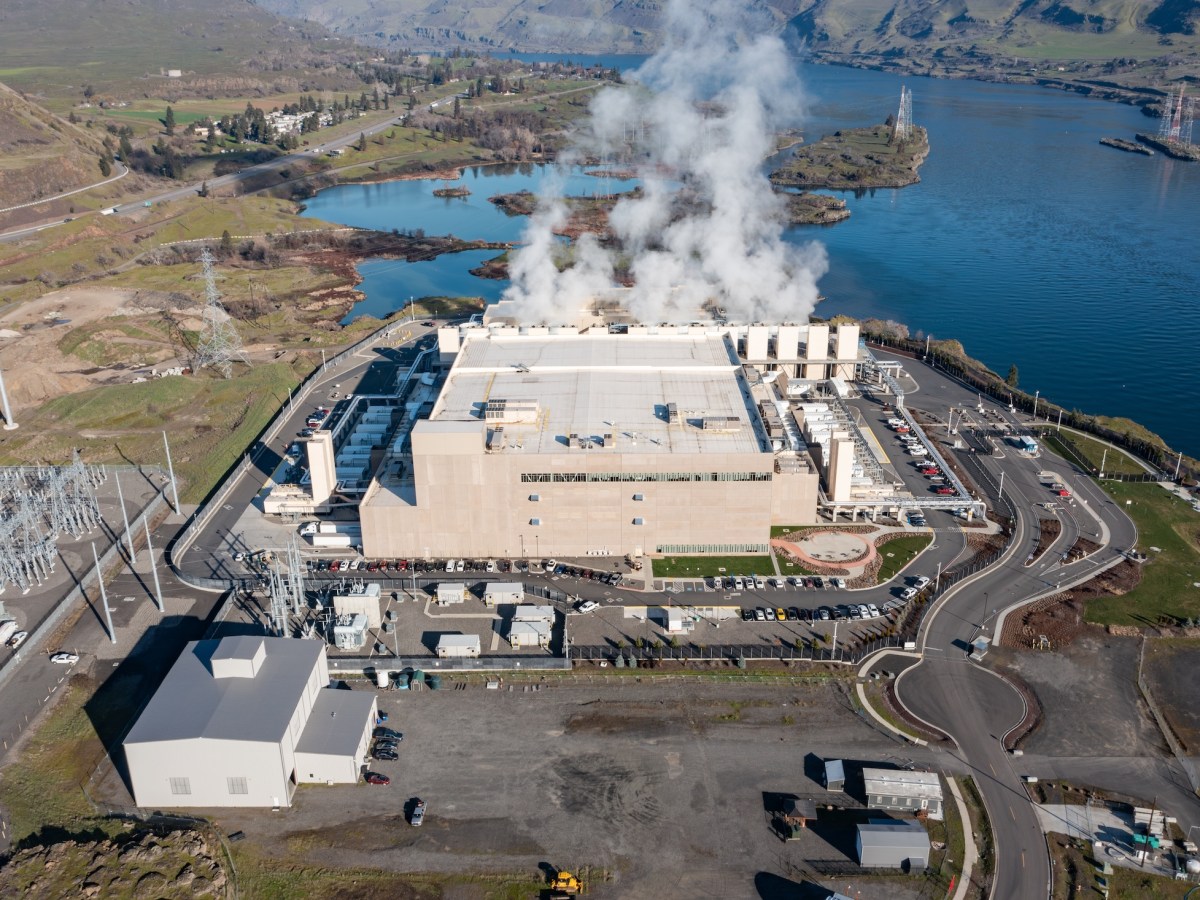
Modern hyperscale data centres require extraordinary amounts of electricity, substantial physical infrastructure and, depending on their cooling systems, potentially significant water resources.
That is becoming controversial far beyond Alderney. Authorities around the world have imposed or considered restrictions on new developments because of concerns around electricity demand, water, land and their impact on surrounding communities.
Any developer looking seriously at Alderney would therefore have to explain not merely where a data centre could physically fit, but where its power would come from, how it would be cooled, how construction would work on an island of 2,000 people and what tangible benefit would remain for the community once it was operational.
The States has previously said prospective developers would have to identify suitable sites and provide their own energy and cooling solutions, with environmental assessments and public consultation required before anything could proceed.
Today’s statement reiterates that there is “no predetermined outcome”.
If officials eventually decide there is a credible proposition, they say it will then be put before the people of Alderney for consultation before any decision is made.


