

There’s one thing Guernsey has become remarkably good at over the years.
Doing IT badly.
From the £21.6m MyGov failure to a patient records programme that arrived years late and millions over budget – when it comes to troubled tech, Guernsey is world class.
Which makes one aspect of the island’s new plan to grow the economy particularly surprising – how much we’re betting on tech.
Economic Development’s (ED) new workplan set out how it plans to grow the economy – and a large part of that plan is AI, innovation, and digital infrastructure – despite Guernsey’s patchy record of delivering major IT projects.
The committee wants to accelerate digital adoption, launch a new AI framework, develop an innovation plan, explore data trusts and consider future data-centre infrastructure.
To be fair, ED has identified a real problem.
Guernsey needs growth.
Margaret Thatcher famously said: “You cannot tax your way to prosperity.”
An ageing population, rising healthcare costs and mounting pressure on public finances mean the island needs to create more wealth, not simply collect more revenue from the people and businesses already here.
The question is whether information technology is the right way to go about it for an island like ours.
The AI threat
One thing ED deserves credit for is recognising a threat many politicians would rather avoid discussing.
For decades, Guernsey’s prosperity has been built on financial services. The sector remains the island’s main economic engine and features prominently throughout the committee’s growth plans.
But artificial intelligence is coming for exactly the sort of work Guernsey specialises in: Research, compliance, administration, reporting, and analysis.

The technologies being rolled out across global finance centres are designed to make highly-paid office workers dramatically more productive. That’s good news if you’re a business owner.
It’s less reassuring if your economy depends on employing lots of people to perform those tasks – and then taxing those people.
AI may not eliminate financial services jobs. But it could mean fewer workers are needed to do the same amount of work.
Viewed through that lens, ED’s focus on technology starts to make sense.
The committee is effectively betting that Guernsey needs to adapt to AI before AI adapts the economy for us.
What would success look like?
This is where things become less clear.
The ED workplan is a high-level document – more of a mission statement than a detailed project plan.
There are plenty of seemingly non-controversial aspirations in there like “using technology to improve service delivery for residents, businesses and government”.
Hard to argue with in theory – though delivering it may prove harder.
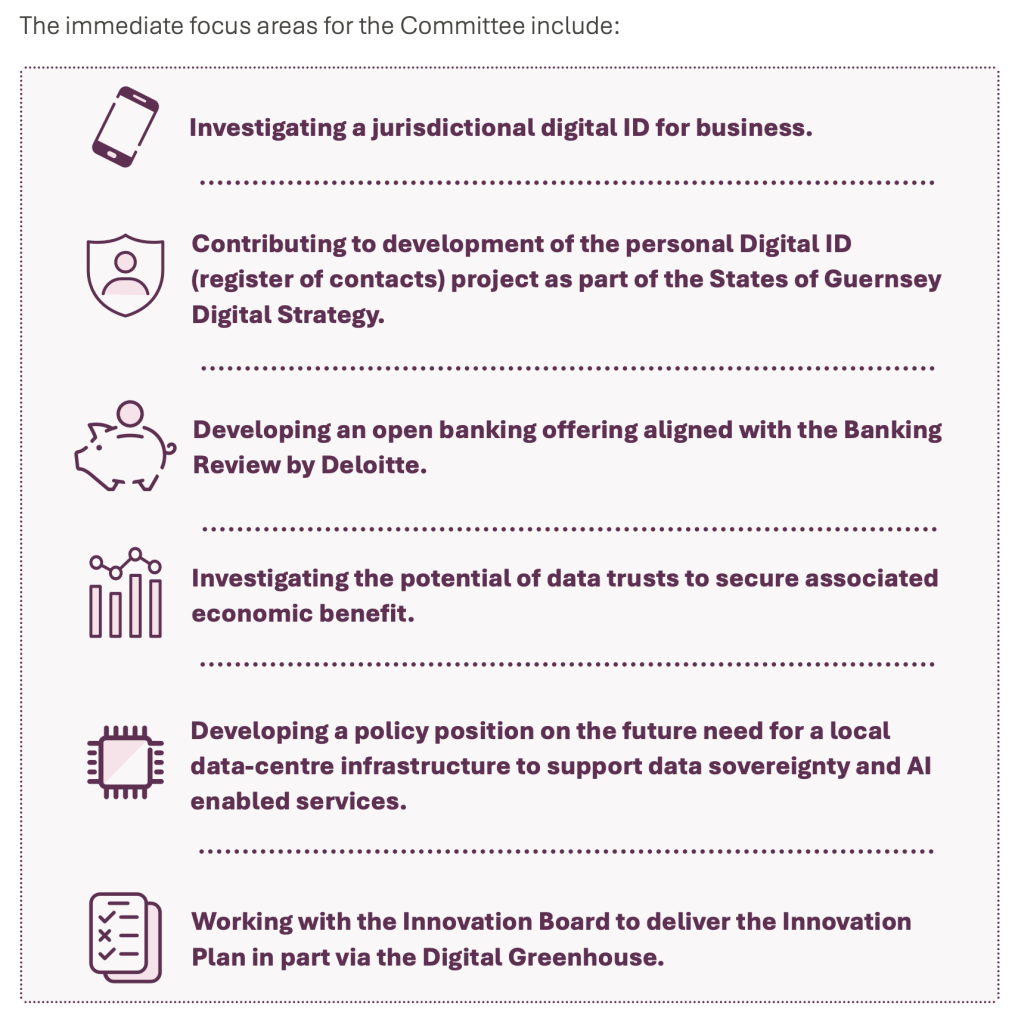
But there are also some quite ambitious things ED wants to look at, such as digital ID and “data-centre infrastructure to support data sovereignty and AI enabled services”.
Admittedly, some of these are early-stage initiatives, and they form part of a wider set of objectives including beefing up finance and tourism.
But they’re still the things ED has chosen to include in the plan, at the expense of others.
Successful technology hubs tend to have a few common ingredients:
- Skilled workers
- Universities
- Tech investors and venture capitalists
- Entrepreneurs
- Affordable housing
- Deep labour markets
Guernsey has strengths, but they generally lie in finance, regulation and quality of life.
The island does not have a university producing thousands of graduates.
It does not have a vast pool of software engineers or tech investors.
And it certainly doesn’t have an abundance of affordable housing.
If Guernsey wants to become a serious AI and innovation hub, where exactly are the people going to come from? And where will they live?
That question feels more pressing when many local businesses already struggle to recruit staff.
The electricity problem
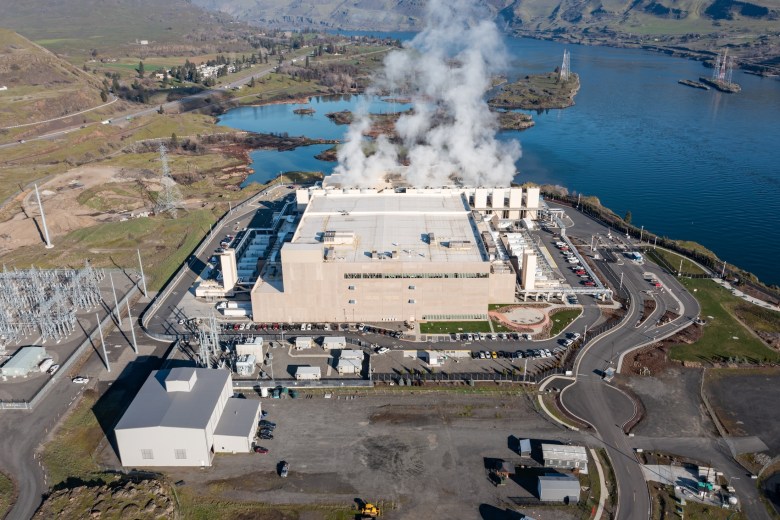
The work plan talks about future data-centre infrastructure and AI-enabled services.
Globally, however, AI is increasingly becoming an energy story.
The International Energy Agency says conventional data centres typically consume between 10MW and 25MW of electricity.
Large AI-focused facilities can require more than 100MW – enough to power electricity equivalent to around 100,000 households.
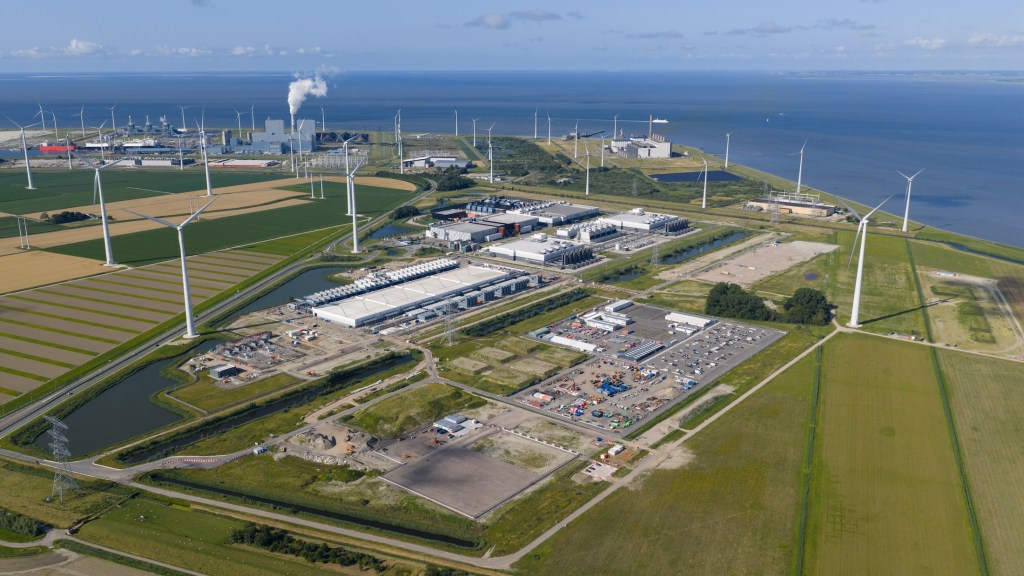
Guernsey uses about 380GWh of electricity annually.
A 25MW data centre running continuously would consume about 219GWh per year.
That’s roughly 58% of the island’s current annual electricity consumption.
To put another way, one data centre could require more than half as much power as every home, business, school, hospital and office on the island combined.
Nobody expects Guernsey to land a Google-sized AI campus, but even modest ambitions raise difficult questions.
- Can the island generate enough power?
- Would existing links to France cope?
- Would additional interconnectors be needed?
- Have they been costed?
- Has Guernsey Electricity been consulted?
- And why does offshore wind barely feature in a work plan that places so much emphasis on energy-hungry digital growth?
The only major references to renewables appear through electricity regulation rather than as a headline economic opportunity.
If AI really is part of Guernsey’s future, then wouldn’t energy have to be too?
Bandwidth
Power isn’t the only requirement.
Modern AI services run on enormous volumes of data.
That raises another question: does Guernsey have the communications infrastructure to support its ambitions?
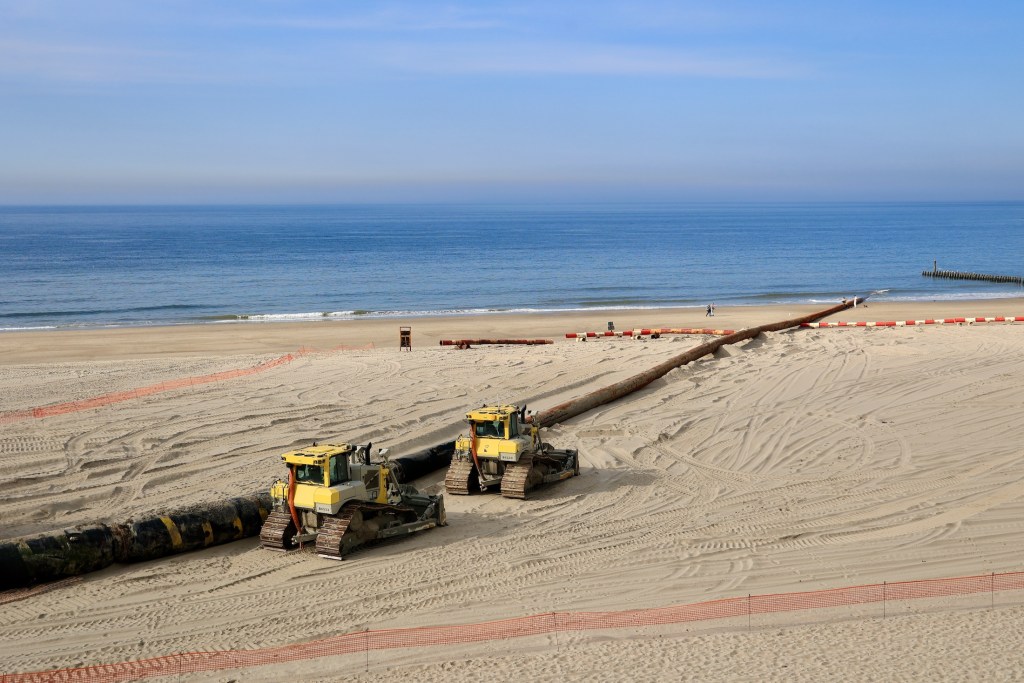
Serious digital jurisdictions typically rely on multiple resilient fibre routes to protect against outages and provide high-capacity international connectivity.
If AI and digital infrastructure are central to future growth, should additional subsea communications links also form part of the strategy?
Been there, done that?
This isn’t Guernsey’s first attempt to build a technology economy.
The Digital Greenhouse has spent years hosting events, supporting programmes and trying to foster innovation.
The future of the startup hub has been questioned by some, while recruitment for a new boss was recently halted.
But before launching another wave of AI and innovation initiatives, perhaps it’s worth asking a difficult question.
- What has the first wave delivered?
- Which globally significant businesses have emerged?
- How many major employers have been created?
- How much inward investment has been attracted?
- How many high-value jobs now exist that would not have existed otherwise?
If ED wants islanders to buy into a technology-led future, those seem like reasonable questions.
How does a data centre create wealth?
There is another uncomfortable question.
Data centres do not necessarily create many jobs.
Construction can bring a temporary boost. But once operational, modern data centres often employ relatively few people compared with their size, cost and power consumption.
The biggest economic benefits usually come when data centres sit alongside a wider ecosystem of software firms, AI companies, cybersecurity specialists and digital businesses.
If we build a data centre how does that grow the island’s economy or tax base?
If we’re not creating lots of highly paid, high-skill tech jobs then how does the island benefit?

Under Guernsey’s Zero 10 tax regime, we wouldn’t tax most AI companies on profits, so without yet another change to the tax system it’s reasonable to ask: what’s in it for us?
The growing industry created wealth by exporting tomatoes and other produce.
The finance industry made Guernsey rich mainly by creating well-paid jobs, along with the wider economic activity those jobs supported.
If a medium-sized data centre can consume more than half of Guernsey’s current annual electricity demand, what does the island get in return?
Before spending millions investigating and then building the infrastructure for an AI economy, Guernsey needs to answer a more basic question.
But what’s the business model for AI and how will it create wealth?
The answer matters because data centres are not economic magic. Their value depends on what grows around them.
Opportunity cost
Economists talk about an ‘opportunity cost’ – the value of the thing you choose not to do.
Every pound spent on one project is a pound that cannot be spent elsewhere. Every hour of political attention devoted to one priority is an hour not spent on another.
AI isn’t the whole of ED’s plan, but it forms one of eight priorities, including sensible things like improving transport links and growing the finance sector.
Fans of alternative ways to grow the economy – from cannabis farms to leasing our seabed to green energy companies – will question why their preferred options aren’t being seriously explored when ideas like AI data centres are.

AI will undoubtedly reshape finance and Guernsey cannot afford to stand still.
Doing nothing carries risks of its own.
The biggest unanswered question isn’t whether AI is important – it is.
It’s whether Guernsey is trying to become a technology economy, a finance economy that uses technology, or a finance jurisdiction that profits from the global AI boom.
Because those are three very different ambitions.
If ED’s ambition is to turn Guernsey into the next Shoreditch, it looks optimistic.
If the goal is to create an AI-enabled finance centre, attract AI-related investment structures and make local businesses more productive through technology, that feels considerably more realistic.
The problem is that the workplan doesn’t always make clear where along that spectrum its ambitions lie.
The island’s strength has always been finance, regulation and international investment structures.
The more realistic opportunity may not be building AI. It may be financing it.
If billions of pounds are being invested into artificial intelligence, can Guernsey become the place where those investment vehicles are structured, administered and regulated?
