


The scissors are out… One of Senator Mark Boleat’s biggest election pledges was to slash planning bureaucracy – and the first move has just been made. Here’s what is changing…
So… what’s actually happening?
In Jersey, anyone hoping to undertake any major building work, make significant changes to the exterior of a property or change its use (e.g. from retail to a home, or from a café to an office) has to submit a planning application.
As part of the submission, applicants must complete advance paperwork about their development, which some had previously suggested was too onerous.
From today, however, there is a new planning application ‘checklist’.
The government says it has been rewritten to remove unnecessary paperwork, reduce delays and make it easier for applicants to submit complete planning applications.
Will I have fewer forms to fill in?
Potentially, yes.
Applicants will still need to provide information about issues such as design, drainage and biodiversity, but the aim is to make those requirements simpler and reduce the number of follow-up requests after an application has been submitted.
What about specialist reports?
This is one of the biggest changes.
Documents such as arboricultural assessments (an expert report on tree health, structure and value) and bat surveys will now only be required where they are actually relevant to the proposed development, rather than being requested more routinely.
That could save applicants both time and money.
Is anything changing behind the scenes?
Yes.
The government said Planning officers will also begin using new digital tools to help validate applications and carry out consultations more consistently, with the aim of speeding up the process.
Why now?
Reducing planning bureaucracy was a recurring theme of new Planning Minister Sir Mark Boleat’s election campaign.
He said one of “the most frequent concerns raised with me by Islanders was the volume of documentation that can be required when submitting planning applications”.
“Since taking office, I have been clear that we must have a planning system that works for Islanders, supports economic growth and focuses on what really matters,” he continued.
“The new validation checklist is a practical example of that approach. It removes unnecessary burdens, reduces the need for specialist reports in many circumstances and introduces a more proportionate system that reflects Jersey’s needs.”
Is this the end of planning red tape?
Probably not… there’s more work to be done, with the new checklist one part of wider plans to modernise Jersey’s planning system.
The government says the changes will be monitored over the next six months before deciding whether further reforms are needed.
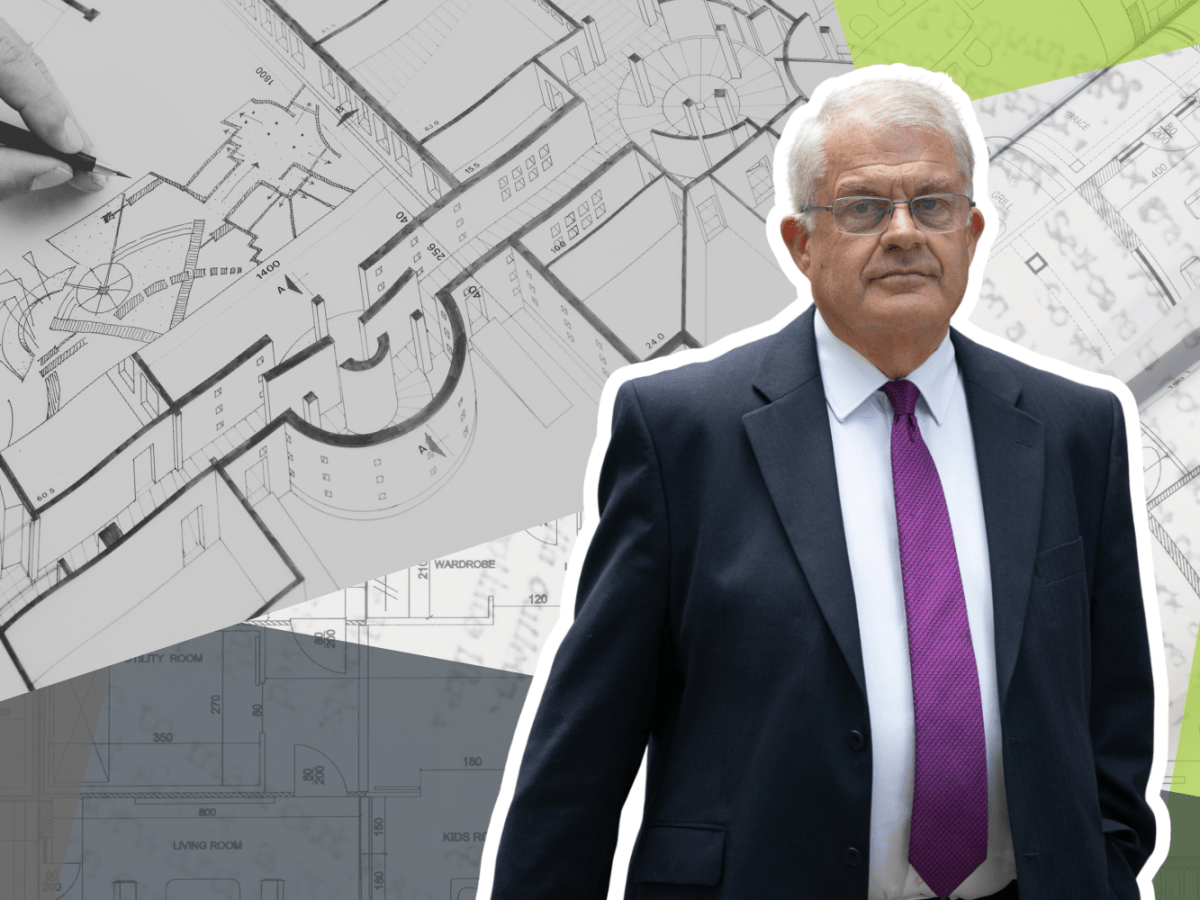

During the election campaign, Senator Boleat pledged to pursue the following reforms:
- amending the existing Bridging Island Plan while preparing a more flexible long-term replacement;
- extending permitted development rights;
- substantially reducing documentation required for planning applications;
- making heritage requirements more proportionate;
- reducing planning conditions attached to approvals; and
- simplifying the planning process to make it more predictable and user-friendly.
He also pledged in his manifesto to “provide more affordable housing through reforms to the planning system, increasing the supply of social housing and developing low-cost home ownership options”.
Of the latest reform, Senator Boleat added: “This is part of our wider ambition to modernise the planning process, support investment and development, and ensure that planning remains focused on the public interest while continuing to protect our environment and communities.”
