

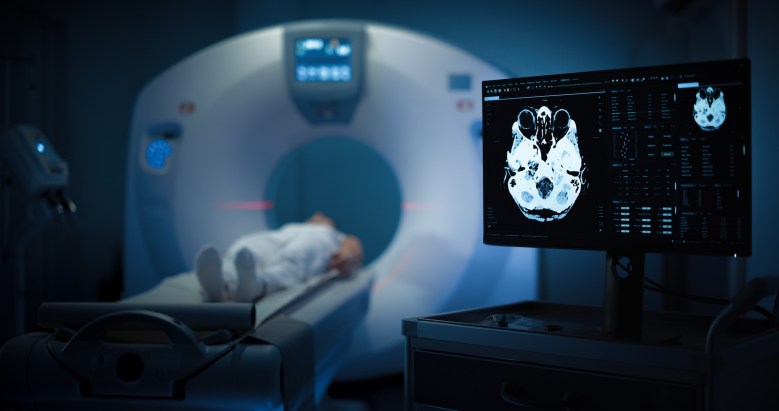
People with suspected cancer are meant to be seen within two weeks, but how many were seen on time?
Health bosses can’t tell you – because data staff were pulled off routine tracking to rescue the department’s troubled £22m software rollout.
The missing numbers are the latest headache linked to Guernsey’s troubled Electronic Patient Record (EPR) project, which is £5m over budget and was rolled out nearly a year and a half late.
The IT overhaul – ironically meant to improve data reporting – has suffered years of delays and budget blowouts.
Now, those tech migration pressures have wiped out crucial health metrics.
Breaking point
Deep within its latest secondary healthcare report, Health and Social Care (HSC) admitted that key radiology figures were quietly dropped.
In past years, the two-week urgent scan target was a key safety measure to ensure potentially deadly tumours were caught fast.
Without those figures for 2025, patients and politicians have no idea if people waited days, months, or longer for answers.
HSC admitted that data intelligence staff were reallocated away from normal tracking to focus on the complex shift from its old TrakCare system to the new EPR network, leaving the department unable to publish a full set of stats.
Double blow
The data loss came as scanning teams battled severe front-line pressures.
While cancer stats were wiped out, other published imaging figures show overall scan performance dropped to 87% – well below HSC’s target of 95%.

The fall was partly driven by a 25% staff vacancy rate in Ultrasound that lasted for most of the year.
The shortage forced remaining workers to drop routine appointments and focus strictly on emergency room cases.
Spotlight
The missing numbers will add fuel to growing political anger over the EPR system’s ballooning costs and the debate over whether the States should rein in spending before it increases taxes.
Originally budgeted at £17.3m, the project’s Phase 1 price tag soared past £22m before it finally went live.
The Scrutiny Management committee has already launched a formal investigation into how the project was managed and why costs spiralled out of control.
To make matters worse, health bosses confirmed this report is the final one in its traditional annual format.
HSC plans to move to digital dashboards instead once the software works properly – meaning islanders are left relying on trust while the systems are rebuilt.
However, it’s unclear whether the public and the media will have access to these – and if so when.
