

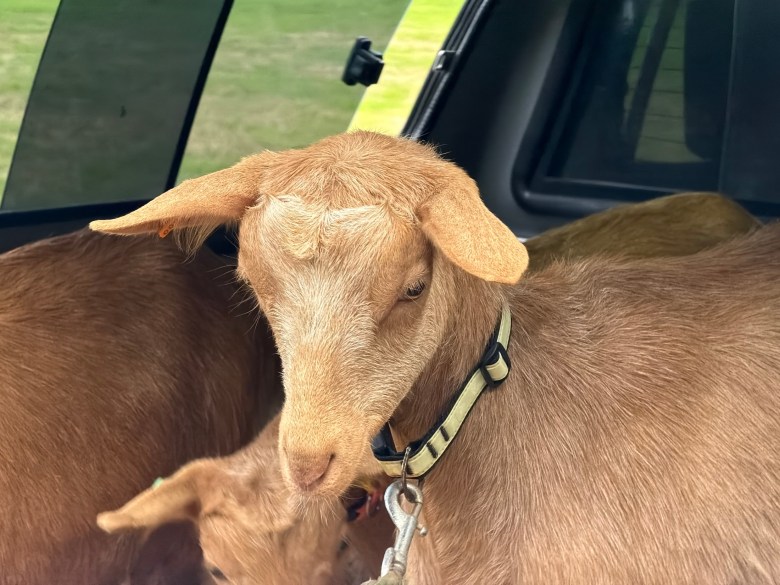
There are some new kids on the rock this weekend – and they’re not here for the nightlife.
A new batch of ten Royal Golden Guernsey Goats, including adults and juveniles, has arrived from the UK to bring some much-needed new blood into the island’s herd.
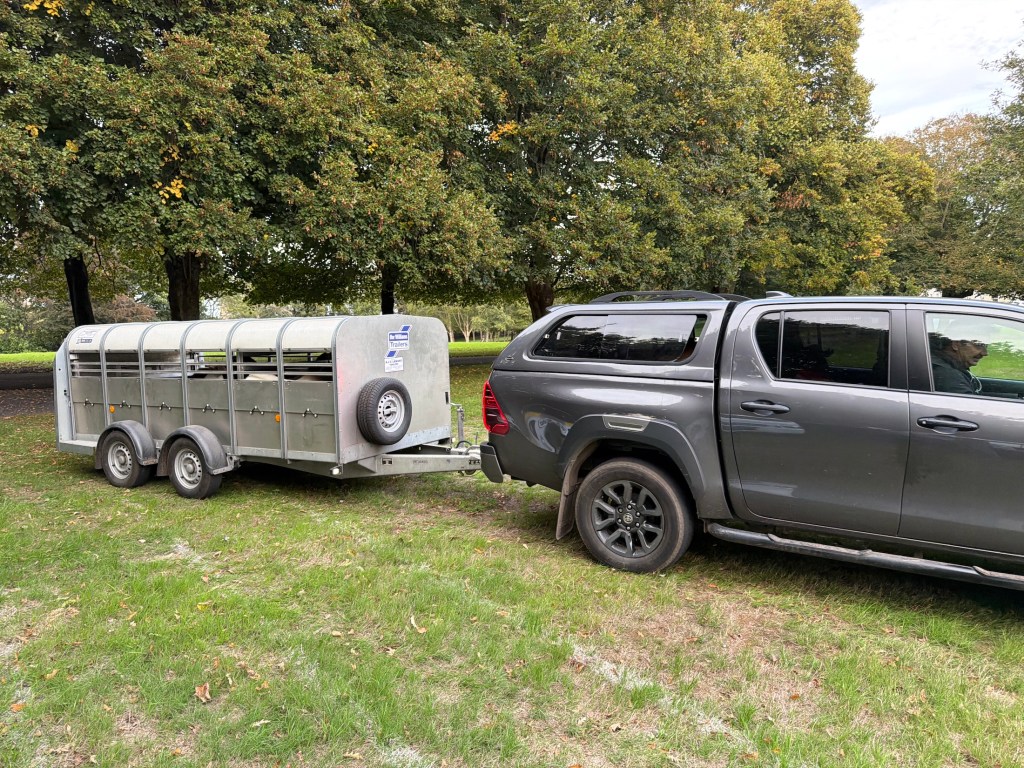
The five females and five males landed in Guernsey on Friday evening, before being taken to Government House to be unloaded ‘Step by Step’ and collected by their new owners.
And while the goats might look like 10 fluffy additions to the island’s agricultural scene, their arrival is part of a serious effort to protect the future of one of Guernsey’s most distinctive breeds.
Golden genes
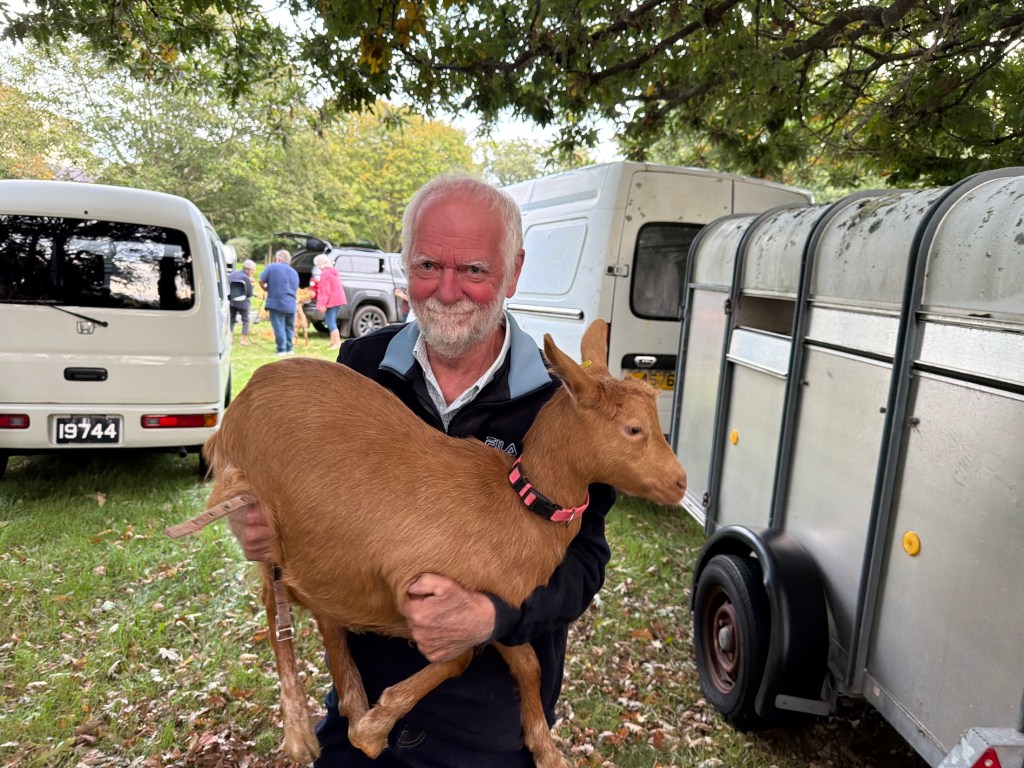
Peter Girard, goat farmer and President of the Guernsey Goat Society, said the island’s Golden Guernsey population has been breeding along existing lines for around 25 years.
That means new bloodlines are needed to keep the gene pool healthy.
“We’re kind of starting to get to the point where we need to bring some new ones in,” he said.
Mr Girard and his wife Mandy have been keeping Golden Guernseys since 2000, with their herd now up to around 35 goats.
The couple have kept track of different breeding lines over the years, including taking on billy goats from other local breeders when they retired.
But the latest arrivals will provide another opportunity to widen the genetic pool.
Mr Girard said the aim was to retain some of the offspring from the new goats and, if funding allows, eventually collect and freeze semen from the males.
That could provide a genetic back-up for the island’s goats in future, while potentially allowing breeding material to be shared with other countries.
Golden bloodlines
The ten Royal Golden Guernseys have been selected to introduce new or genetically distant bloodlines from those already represented in the island’s population.
The Guernsey Goat Society has worked with UK breeders, including goat genetics expert Paul Wells, to identify animals whose bloodlines complement those already on the island.
The society says widening the gene pool should strengthen genetic diversity and support the long-term health and sustainability of the breed.
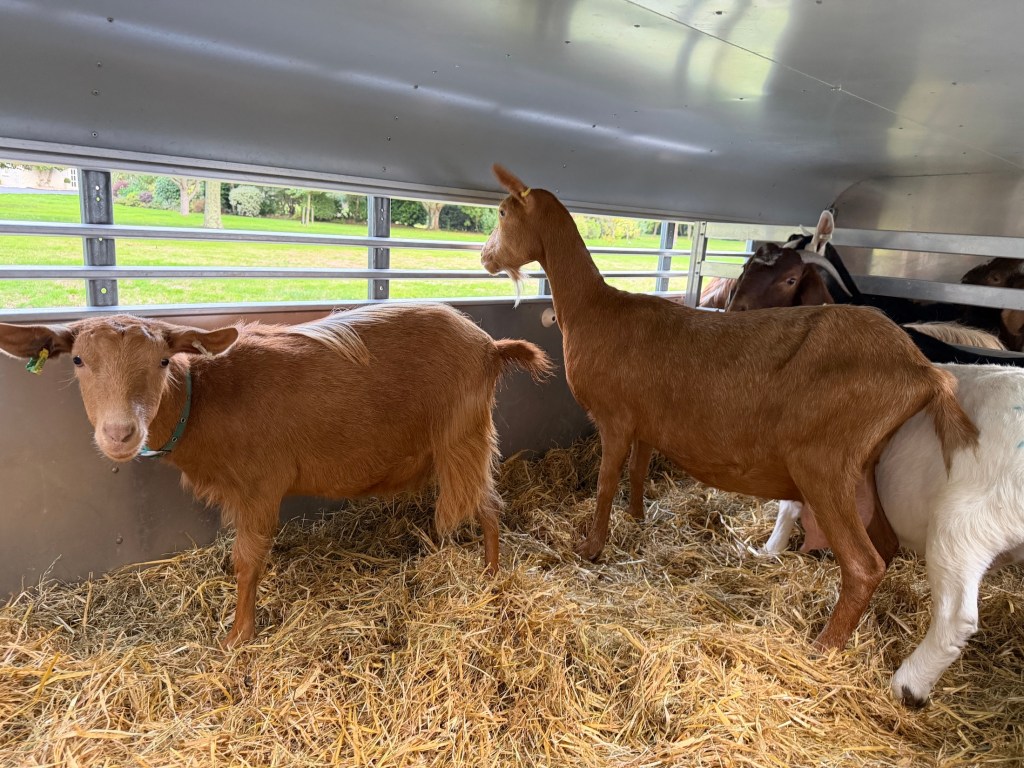

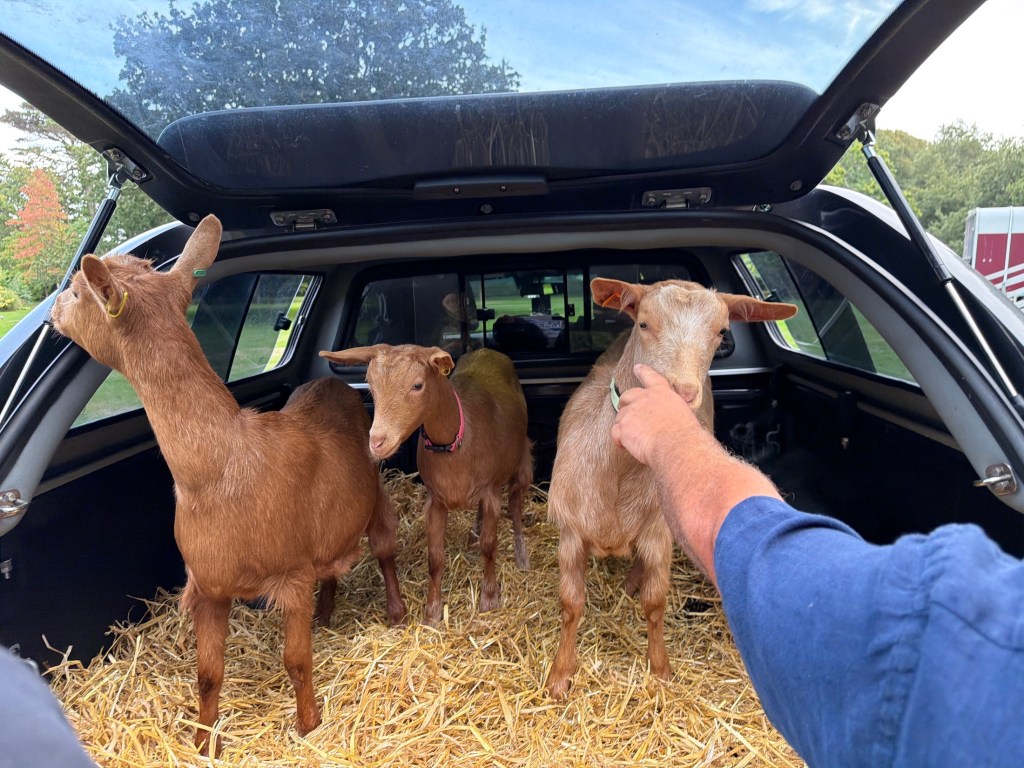

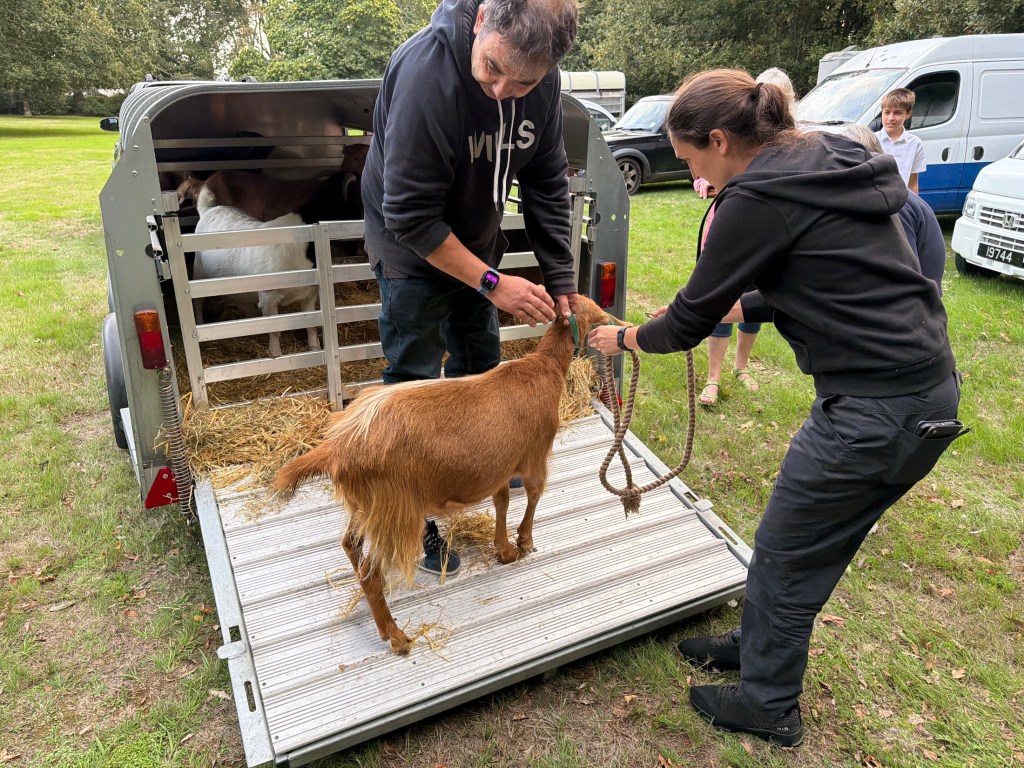

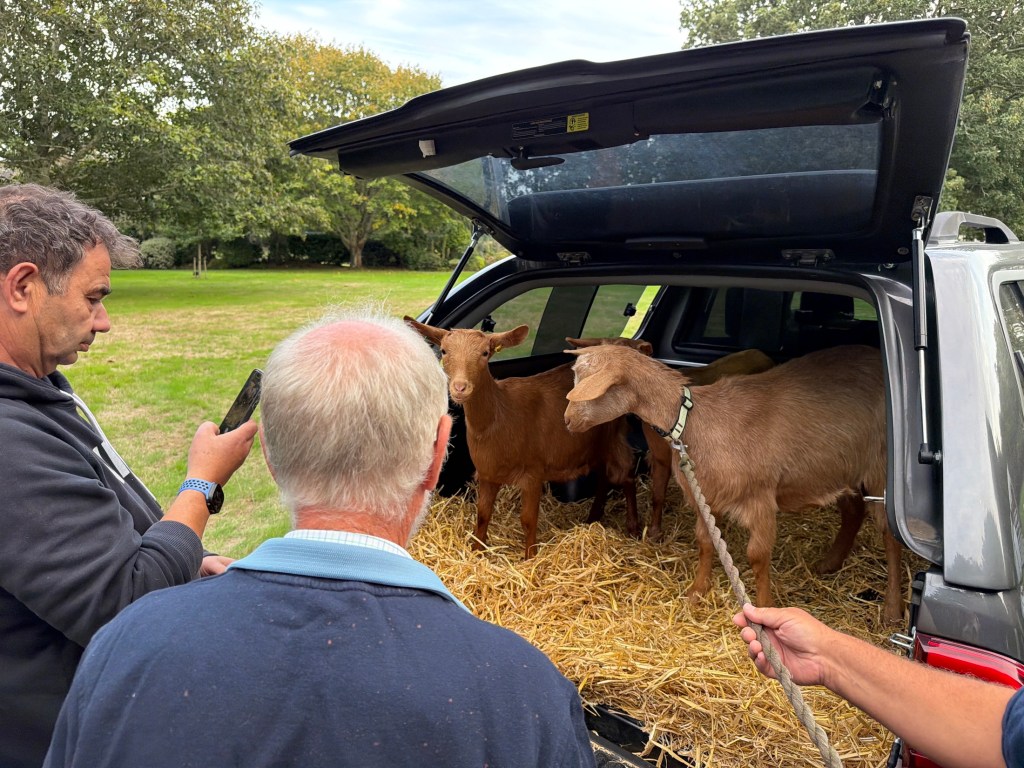
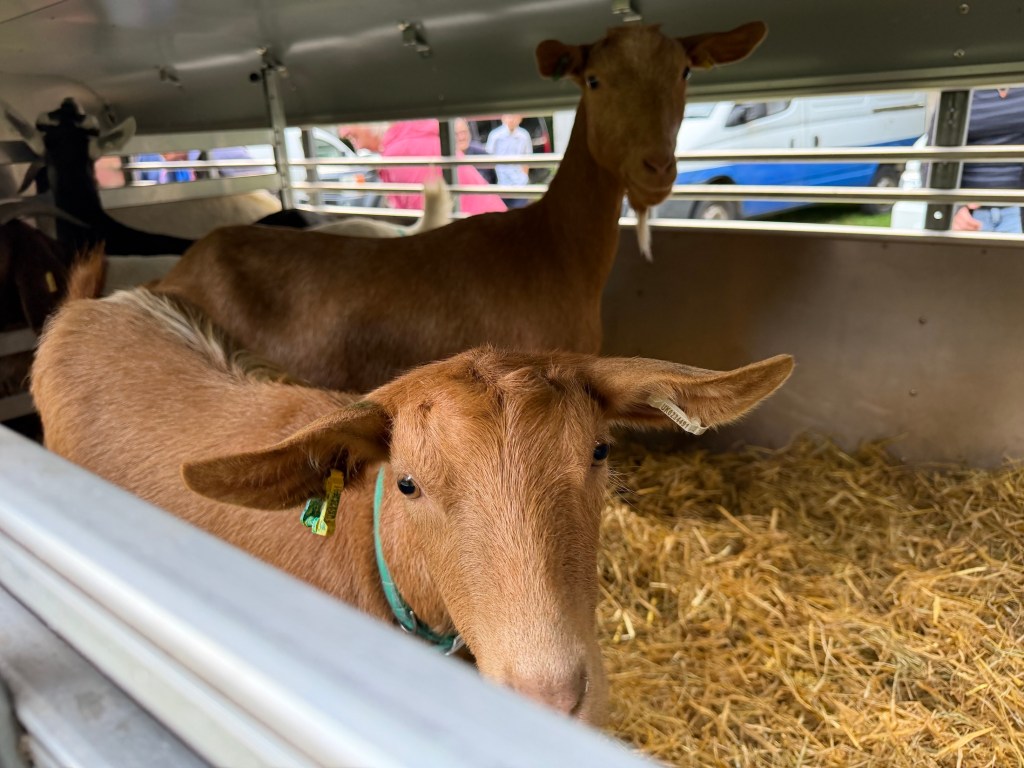
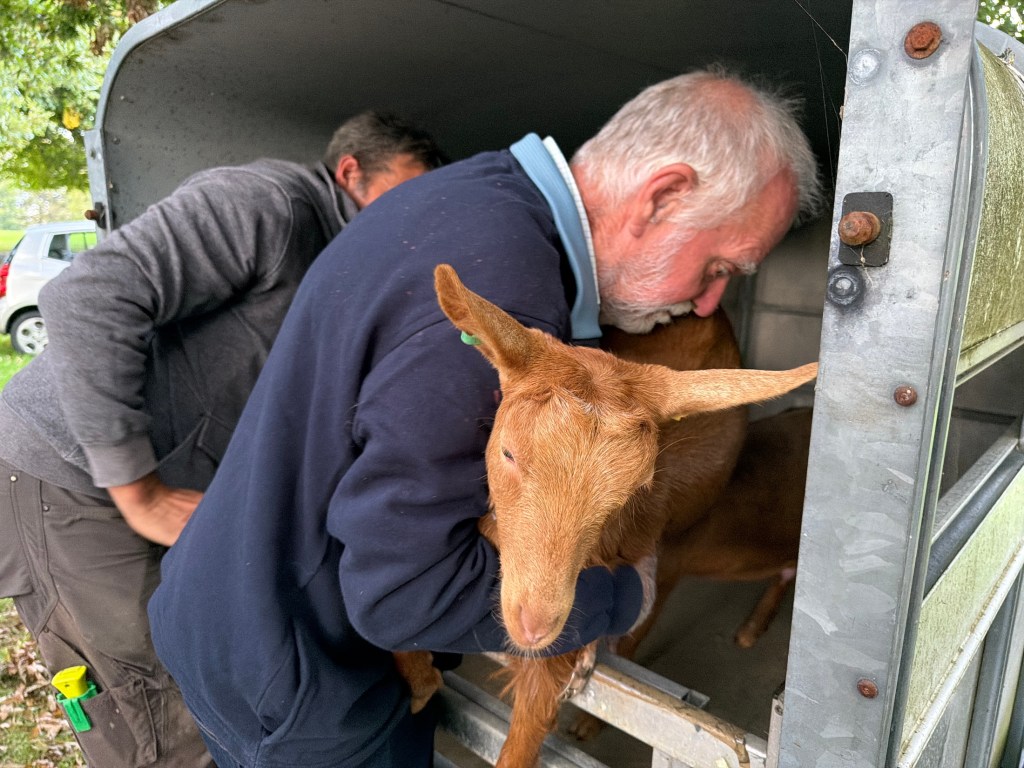
The Royal Golden Guernsey is one of the Bailiwick’s distinctive agricultural breeds, known for its golden colouring, gentle temperament and milk.
The breed was granted its Royal title in 2024, becoming formally known as the Royal Golden Guernsey Goat.
No such thing as a quiet year on the farm
Mr Girard said the island’s goat farmers also have plenty of more immediate things to worry about.
He said they’ve “been feeding the goats a lot more feed” because there had been unusually poor grass growth because of the hot summer.
Mr Girard keeps several acres of land, much of which is normally used to make hay, while the goats would usually graze around the hedges.
But the grass simply hasn’t grown as expected this year.
“It’s been an expensive year,” he said.
The pressure could continue into the winter, with his UK feed suppliers warning him that shortages may be possible in the new year.
But for now, there are 10 new Royal Golden Guernseys to look after – and a new generation of island goats to look forward to.
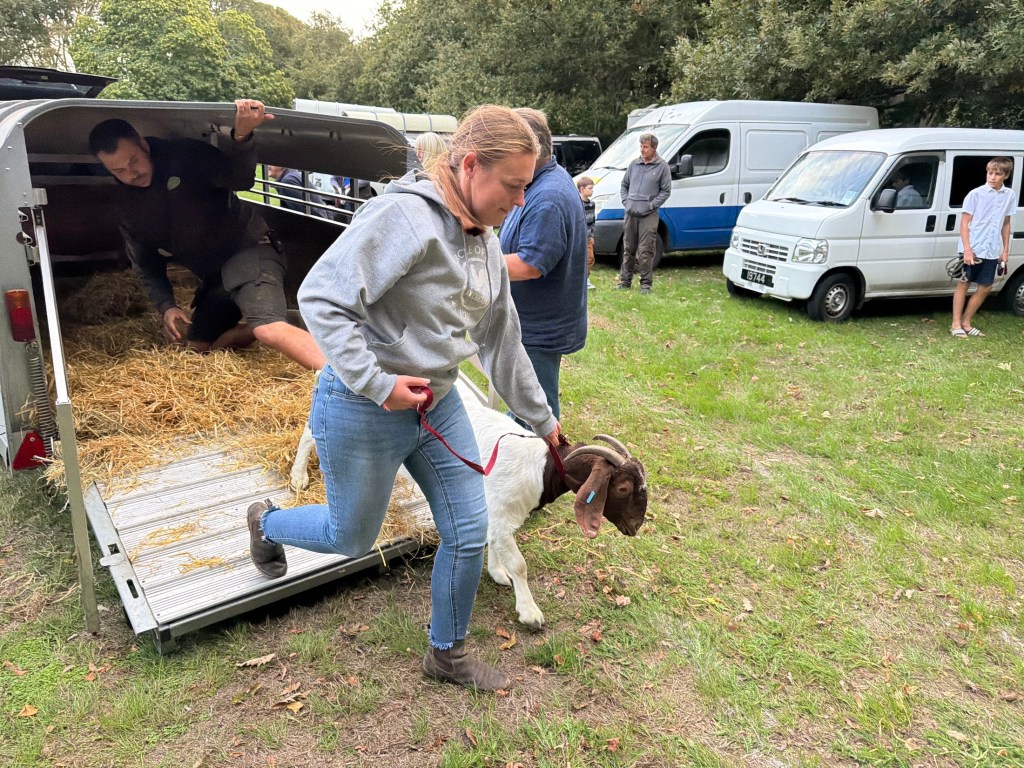
And they’re not the only goats coming over
The shipment was not exclusively golden.
Four goats of other breeds also made the journey as part of a separate family import.
They include two Alpine goats, with their owners having spent years trying to bring the breed to Guernsey.
The four animals are being kept separate from the Royal Golden Guernseys and will form their own breeding stock.

So, while the island has gained ten new golden faces for the future of its native breed, there are also four other newcomers settling into island life.
A pretty substantial delivery of goats – and one which, for once, doesn’t need to be signed for by the postman.
