


Guernsey’s most successful industry wasn’t created by politicians sitting around a committee table – it emerged because entrepreneurs spotted an opportunity.
Deputy Haley Camp says that’s a lesson today’s politicians should remember.
Rather than trying to pick the island’s next economic winner, the former Economic Development (ED) member argues government should focus on removing the barriers that prevent businesses from succeeding.
Deputy Camp told Express: “If you’re a really great innovator, I’m really sorry, you don’t end up in government.”
“Government’s role should be to help, help, help,” she added.
She said Guernsey’s future prosperity was more likely to come from businesses identifying opportunities than politicians attempting to engineer the island’s next success story.
Deputy Camp argued that government should instead focus on reducing bureaucracy, removing regulatory obstacles and creating an environment where new ideas can flourish.
Her comments come days after ED published its workplan for the political term, setting out priorities ranging from tourism and trade to artificial intelligence, innovation and the continued growth of the finance sector.
Government can’t pick winners
Deputy Camp argued that government often overestimates its ability to predict where the next wave of economic growth will come from.
Pointing to the finance sector, she said Guernsey’s finance industry emerged because individuals recognised an opportunity and built businesses around it, not because politicians deliberately set out to create an international finance centre.
“No one was there putting a Gantt chart together on how to grow a finance industry.”
Instead, she said politicians should focus on the areas they can directly influence, including regulation, bureaucracy and the cost of doingbusiness.
“Control the levers that government control, and not try and control the ones that you shouldn’t.”
‘Get out the way’
Deputy Camp said government should spend less time trying to identify the next growth sector and more time asking businesses what is stopping them from expanding, investing and creating jobs.
Drawing on her experience in finance and digital assets, she said firms often identified practical obstacles that States departments could remove relatively quickly.
“How do we plan to enable government to get out of everybody’s way?” she asked.

She said reducing regulatory “friction” and unnecessary administrative hurdles would do more to encourage innovation than government attempting to decide whether the island’s future lies in AI, tourism, digital assets or some other emerging industry.
Deputy Camp argued that government could have a greater impact by improving competitiveness and tackling barriers faced by existing businesses than by attempting to identify the next breakthrough industry.
Looking through the wrong end of the telescope?
Deputy Camp argued that politicians can become focused on individual sectors and initiatives before deciding what problem they are actually trying to solve.
Using tourism as an example, she said the debate often began with attracting more visitors rather than defining what type of tourism the island wants to build.
“I think the trick that keeps on getting missed with tourism is that there doesn’t seem to be any strategy around what tourism needs to become,” she said.
She said that challenge was particularly relevant to finance, which remains the island’s dominant industry.

While politicians debate new sectors, she argued that technological change is already reshaping parts of the finance sector itself.
“The biggest growing area is compliance,” she said. “Well, compliance is ripe for AI takeover because it is rules-based.”
For Deputy Camp, the bigger challenge is not deciding whether Guernsey’s future lies in tourism, AI or another emerging sector, but understanding how existing businesses can adapt to the economic changes already taking place.
Aspirations or plan?
Deputy Camp stressed that many of ED’s priorities were sensible.
However, she questioned whether the document amounted to a plan for growth rather than a list of ongoing activities.
She said many of the priorities were worthwhile in their own right, but questioned how they fitted together into a coherent vision for the island.

“What is it we’re actually trying to achieve?” she asked.
“I don’t know that I’d call it a plan,” she said.
Her concern, she said, was less about the sectors being targeted than the assumption that government can identify where the next wave of economic growth will come from.
Growth isn’t just ED’s job
Deputy Camp said many of the factors that will determine Guernsey’s future prosperity sit outside ED’s direct control, including housing, planning, education, infrastructure and energy policy.
In fact, she questioned whether the committee should exist in its current form, adding that she’d be tempted to “get rid of Economic Development”.
Her argument is that growth cannot be separated into a single political portfolio.
Housing, planning, education, infrastructure and energy policy could all have as much impact on Guernsey’s future prosperity as the priorities set out in ED’s workplan, she said.
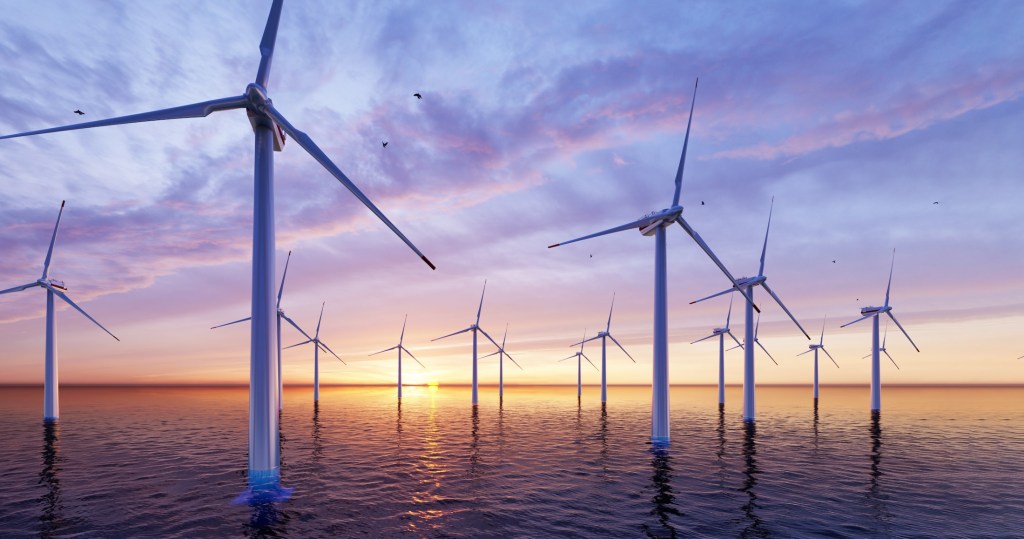
She said responsibility for major renewable energy projects, which could have significant economic implications for the island, now sits with Environment & Infrastructure (E&I).
Deputy Camp suggested that the States could sometimes become trapped in committee silos when businesses experience government as a whole.
“Economic development doesn’t just happen in Economic Development,” she said.
Growing dependence on government?
Deputy Camp said that broader challenge helps explain why she is wary of promises that government can simply create growth.
“There’s a high expectation on government that it can create sustainable prosperity for people,” she said.
“I don’t necessarily think people understand actually how difficult that is.”
She argued that many of Guernsey’s historic successes had been driven by private enterprise rather than government planning, with politicians often following developments rather than leading them.
Reinvention island
For Deputy Camp, Guernsey’s history suggests prosperity rarely arrives because politicians planned it.
Instead, she argues the island has repeatedly succeeded by spotting opportunities created elsewhere and adapting to them.
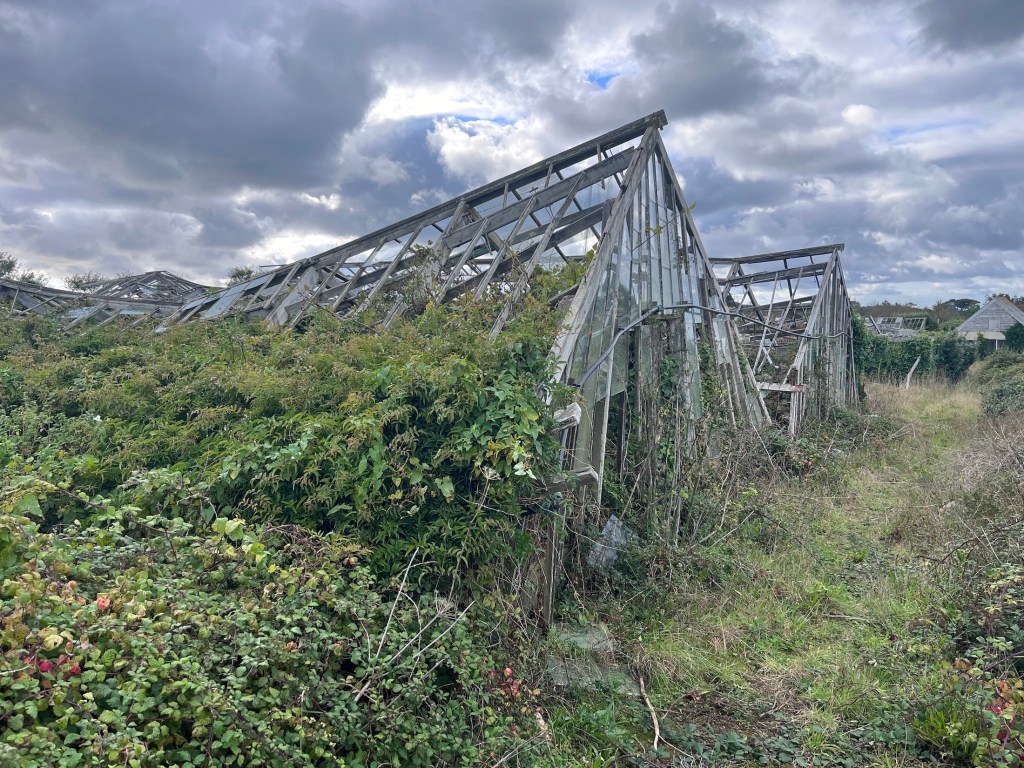
From horticulture and shipping to financial services, Guernsey’s most successful industries emerged in response to wider economic changes rather than long-term government blueprints.

“I like the term ‘reinvention island‘,” she said.
“We’ve taken advantage largely of what’s been going on in the rest of the world.”
Deputy Camp argued that policymakers often talk about creating new industries when the island’s real strength has been identifying opportunities early and moving quickly to exploit them.
The challenge for government, she argued, is not to decide what comes next, but to ensure the island is flexible enough to seize the next opportunity when it arrives.
“We’ve been very, very good at being first,” she said.
“People are thinking [the government] creates industries. We don’t create industries.”
