


Concerns over economic uncertainty, government strategy and workforce pressures were recently highlighted by business leaders… but what are the ‘reasons to be cheerful’ about the future of Jersey’s economy?
More than half of respondents to a survey carried out by the Institute of Directors and Chamber of Commerce considered economic conditions to be a barrier to growth, while a similar proportion expressed anxiety about government strategy and industry support.
Other concerns related to the high cost of living putting significant pressure on businesses (cited by 40% of respondents) and the growing challenges caused by labour costs and skills shortages (36%).
“Jersey’s business community is sending a clear message – economic uncertainty, government strategy and workforce pressures are holding back investment and growth,” said IoD chair Alex Ruddy. “Our island needs targeted action to restore business confidence.”
But, amidst the concern, there are sparks of optimism: investment in new sectors, stronger collaboration, and fresh creative energy that could shape a more resilient future. Express spoke to leaders across industries to gauge not just the challenges, but the hope…
A sector “that always tries to be cheerful”
Ana and Marcus Calvani, co-chief executives of the Jersey Hospitality Association, said the island faces “as many challenges as it does opportunities”.

They noted that one key issue was the challenge of ensuring sustainable growth, claiming that there were “barriers to business” that needed to be dismantled in order to build the economy.
“Some say that it’s the government that’s standing in the way but there is also less appetite to invest while it’s so expensive and difficult to do business here,” they added.
“This is going to be a major focus of a Visitor Economy Summit the JHA is holding on 26th March when we ask whether Jersey’s economy is heading the right direction.”
However, they stressed that hospitality was “an industry that always tries to be cheerful” and that there were “some superb people now in the right places to make significantly positive change”.
They cited “destination awareness” generated by the new Bergerac TV series, as well as recent expansion of the island’s air routes and also said that the island’s new ferry operator “is going to deliver fantastic services for islanders and visitors”.

“We live on an island that has the ability to be a globally leading foodie destination, an island that attracts people from around the globe for our rich history and heritage and an island that’s natural outdoors is made for wellness and recreation,” they continued.
“Those are all votes of confidence in our book and it’s up to us, the private sector to deliver the change that’s needed to set our economy up for a sustainable future that benefits all islanders.
“Without hospitality, our quality of life vanishes and so do our other industries, so it’s critical that government listen and start becoming enablers.”
Construction industry “a key player”
Despite the collapse of a number of firms in the last few years, the Jersey Construction Council recently maintained the sector has a “wide range of professional tradespeople” with “good long-term career prospects”.
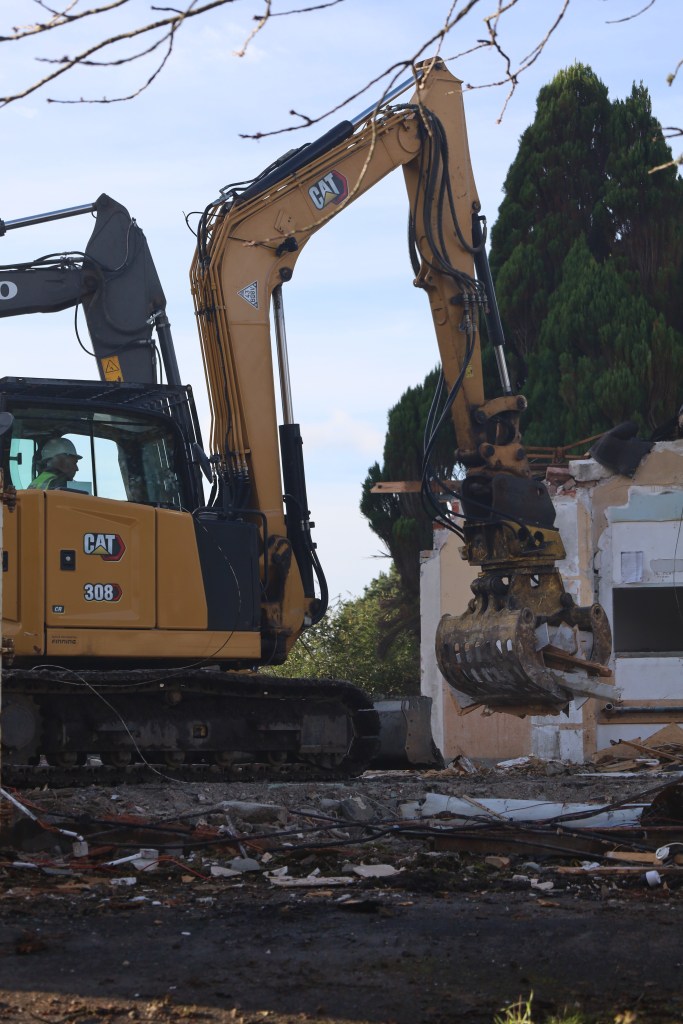
However, it contended that a major challenge for the island was “the unintended consequences of government policies on businesses” citing the move toward the living wage and scrapping of the trainee wage as an example, due to “the significant impact that has had on the employment and development of apprentices”.
It also referenced the impact of a duty increase on the purchase of investment/second homes, adding that this affected “the rental and sales market, estate agents, lawyers, developers, designers, consultants, construction suppliers and contractors”.
But, highlighting some reasons to be optimistic, the Council said there had been “continued positive engagement with ministers”, which included “their understanding the importance of the circular economy and how all of the various industries must be successful”.

“This enables them to reinvest in their businesses, so that Jersey can enhance its status as a world class location to live, work and visit,” it continued.
“Construction is a key player in this activity, with every pound spent returning three pounds in local value.”
A need to “keep up the momentum” in finance
As of June 2024, financial and legal activities accounted for 21% of the island’s workforce.
Last year also saw Jersey receive a positive report from a global think-tank, ranking it as the world’s 40th most competitive finance centre.
Amy Bryant, the deputy chief-executive of Jersey Finance, said the biggest long-term challenges facing the industry were “largely external and outside of our control”.

“The growing competition from other international finance centres (IFCs) is perhaps the biggest challenge for us,” she continued.
“We’re operating in a rapidly evolving and complex landscape where other IFCs – including those that are already well established and those that are emerging – are constantly developing their own platforms and bringing new solutions to market to meet the specific and changing needs of investors.
“We’re having to work harder and harder to retain our competitiveness in that environment. That means focusing on innovation, understanding how we can embrace technology and where we need to enhance our market visibility and assert our expertise.”
Outlining reasons to be positive, Ms Bryant added that it was “quite fitting” that Jersey Finance recently held its first ever Sustainable Finance Summit.
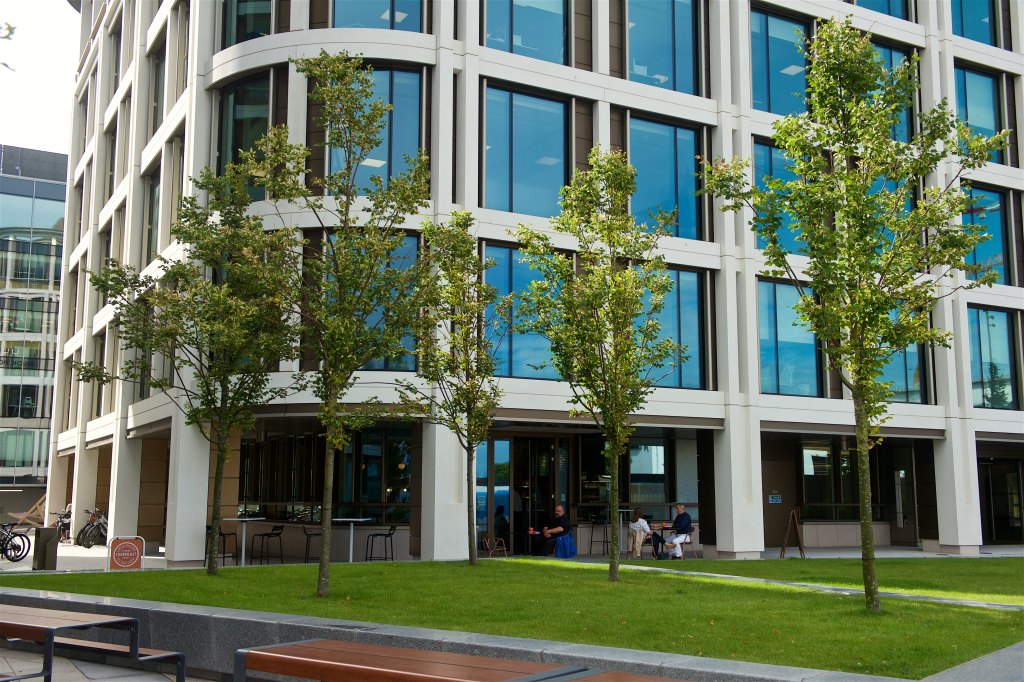
“Not only did it bring home just how important this is to the future of our industry, but it also served to highlight just how advanced we are in our thinking and in our infrastructure for providing sustainable finance solutions,” she continued.
“There’s no doubt that supporting global progress in tackling climate change and nature-related risk is critical to the long-term future of our industry and to society.
“It will take collaboration, flexibility and expertise in delivering targeted capital around the world to solve our planet’s biggest problems – and compared to other IFCs, we are in a strong position on all those points.
“I think that’s a positive thing for us at the moment and we need to make sure we keep up the momentum.”
“A more varied economic future”
While the initial viewing numbers are yet to be revealed, the new Bergerac TV series launched at the end of last month is expected to deliver economic benefits and raise the island’s profile in a competitive tourism market, according to Visit Jersey.
Brian Constantine, executive producer and CEO of Westward Studios, said the island’s biggest challenge was retaining young islanders “by ensuring they see a future here”.

“While the island is undeniably beautiful and safe, opportunities outside the finance sector remain limited,” he continued.
“If we don’t expand career options, particularly in industries like tech, creative arts, and sustainable development, we risk losing talent to places with more diverse job markets.
“Combined with the high cost of living, this could make leaving feel like the only viable choice for many.
“Addressing this challenge is crucial to maintaining a thriving, dynamic community.”

However, Mr Constantine added that Jersey had taken “important steps toward diversifying its economy”, particularly in the creative sector.
“The groundwork for a potential screen commission offers exciting prospects for filmmakers and media professionals, and the reopening of the Opera House will bring fresh cultural opportunities.”
He continued: “Ballet d’Jerri continues to gain recognition, and the revival of Bergerac could provide a significant boost to tourism.
“While we can’t recreate the economic boom of the 1980s, these developments offer hope for a stronger, more resilient post-pandemic hospitality sector and a more varied economic future.”
Housing market turnover getting back “to more of a reasonable level”
Recently-published data showed that home ownership in Jersey is becoming gradually more affordable – with an increase in average earnings combining with a record annual drop in prices last year.
Broadlands director Harry Trower said that, while affordability remained a challenge, the market was “on the road to recovery”.

“People are now realising they are having to take offers and houses have transacted more.
“We transacted 30% more houses this quarter.”
He added that turnover “is looking like it is getting back to more of a reasonable level”.
“The people who are frustrated at the moment are the people who want the 2022, 2021 price for their house that is no longer there.
“The people who pay attention and listen to the advice get a result, and they get a result pretty quickly.”
A fragile resilience – and a moment to act
In Jersey Chamber of Commerce chief executive Murray Norton’s view: “Jersey’s business community remains resilient despite economic pressures, but confidence is fragile. High living costs, labour expenses and skills shortages strain businesses and need addressing.
“With over half of those surveyed citing government strategy and economic conditions as barriers to growth, this highlights the Chamber and IoD’s call for stronger collaboration between policymakers and industry.”
However, he said there were some bright spots from the survey, with some businesses – particularly in financial services, information and communication, and professional services – expecting stability or modest growth, underpinned by a skilled and experienced workforce, proximity to crucial markets and digital capabilities.
“With the right support, Jersey has the potential for renewed confidence and stability,” he added.
Many of the issues raised are set to be raised at tonight’s IoD Debate on Jersey’s economic future. The event will take place this evening at the Royal Yacht, to be chaired by journalist Natasha Kaplinsky, and was described by Ms Ruddy as “a critical opportunity to bring together business leaders, policymakers, and industry bodies to address these concerns together”.
She added: “We need to ensure Jersey remains a competitive and attractive place to do business.”
READ MORE…
This article first appeared in Connect – read the digital edition below…
