

Jersey Water has said it will “work closely” with the Government to determine the best PFAS treatment option – and how it will be funded – after the Environment Minister cited the estimated costs of one potential method as being upwards of £20m.
The utility company also stressed that islanders “should not be concerned about the quality of the water we currently supply”, with concentrations of PFAS, on average, nearly 70% below the safe limits set by the UK and the EU.
Questions over plans to address traces of the so-called “forever chemicals”, which were historically used in firefighting foam at Jersey Airport, were raised at a recent hearing of the Environment, Housing and Infrastructure Scrutiny Panel.
Environment Minister Steve Luce stressed that decisions were yet to be made regarding the type of treatment that might be needed, but was asked about one option that could involve upgrades at the island’s treatment plants costing upwards of £20 million for each.
We are looking at several treatment options and considering not just the capital outlay but also the ongoing annual operating costs
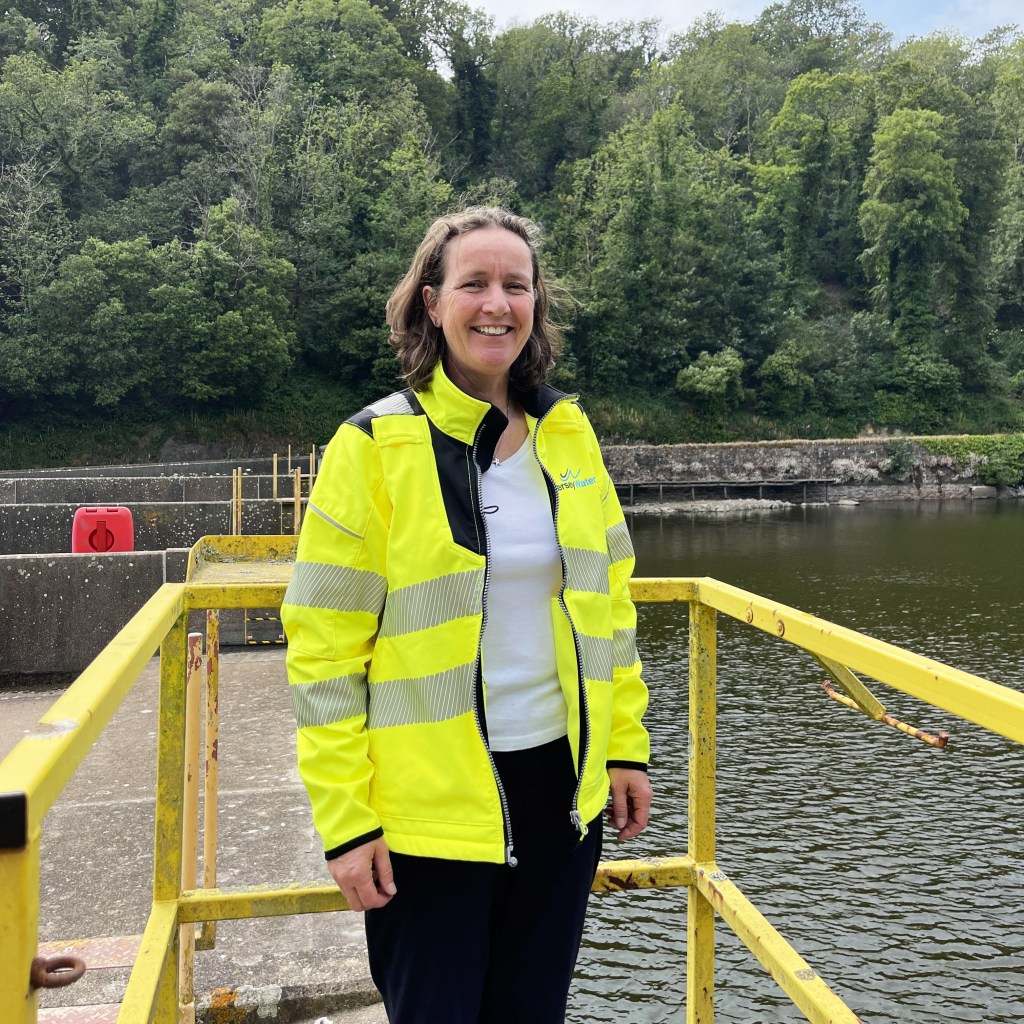
Jeanette Sheldon, head of water quality for Jersey Water
In a statement, Jeanette Sheldon, Jersey Water’s head of water quality, said the utility company had been investigating treatment options “for some time”.
But she noted that Jersey Water “will only be able to determine the most appropriate solution for the island once the Government of Jersey has set the regulatory limits for PFAS”.
She explained: “It would be premature to commit to a specific solution or the likely cost at this stage, as the priority must be to make sure that the treatment we implement is right for the island for the long-term.”
The statement continued: “It needs to be based on the most up-to-date scientific evidence and global best practices, and it needs to support compliance with any future regulatory limits.
“We are looking at several treatment options and considering not just the capital outlay but also the ongoing annual operating costs. £20 million per treatment plant is an initial estimate of the capital costs for one of the potential options being considered.”
She stated that Jersey Water would “work closely” with government to determine “the optimal solution”, as well as how it will be funded and the potential impact on customer bills.
“Today, the important message for islanders is that they should not be concerned about the quality of the water we currently supply,” the statement continued.
“Concentrations of PFAS are well below – in fact, on average, nearly 70% below – the safe limits for PFAS set by the UK and the EU, and close to full compliance with future international standards to be introduced in the coming years.
“Our aim is to keep minimising these levels further until we have the right treatment solution is in place to meet future water quality standards for PFAS in Jersey.
“We remain committed to ensuring that the water we supply continues to be safe today and for the future.”
