

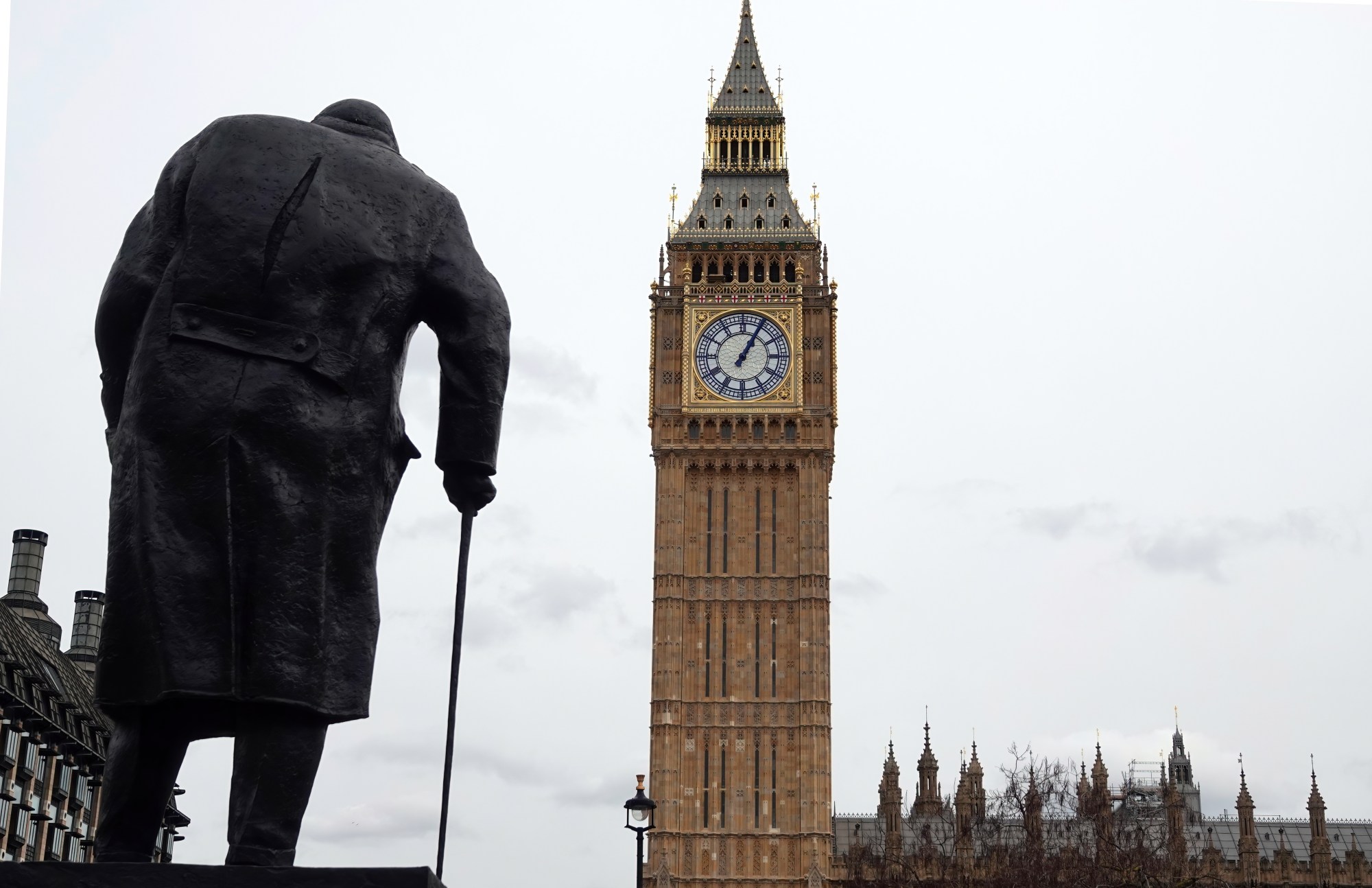
“No one pretends that democracy is perfect or all-wise.
“Indeed it has been said that democracy is the worst form of Government except for all those other forms that have been tried from time to time.”
Winston Churchill made his powerful – if not entirely original – observation during a debate in the British Parliament on Armistice Day 1947.
Just over two years earlier, the Bailiwick of Guernsey had been liberated from Nazi rule, so islanders know first hand the dangers of dictatorship.
Democracy is the worst form of Government except for all [the others].
Winston Churchill
Today in the West, we hold free speech and democratic debate as rights, but in historical terms they’re relatively recently won privileges.
Kings, tyrants and dictators don’t hand over the reins of power easily.
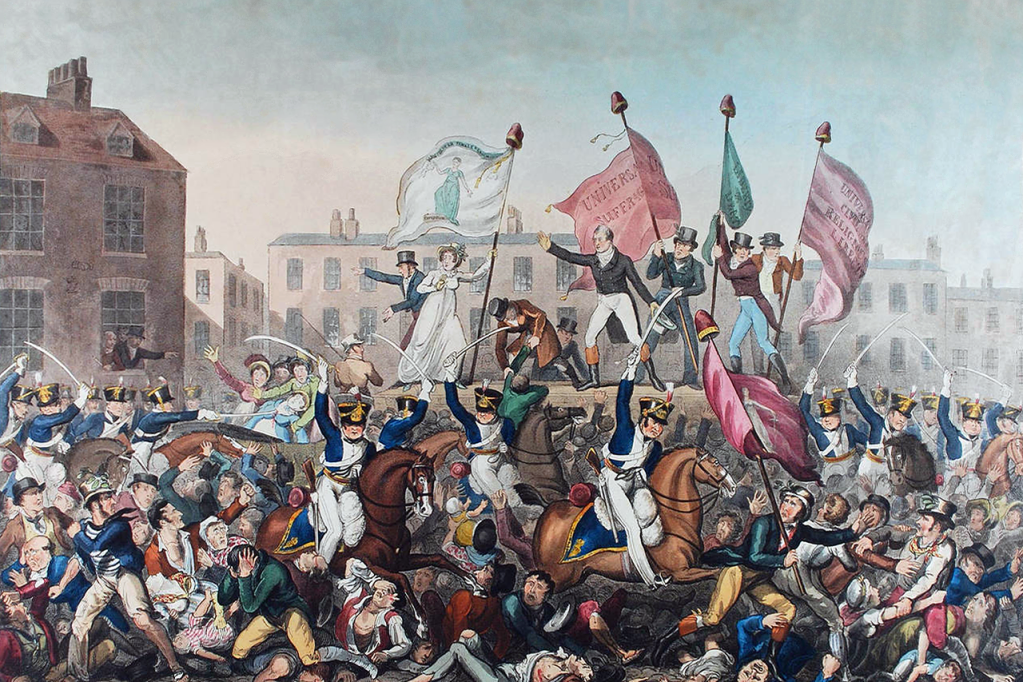
Our freedoms were won over hundreds of years by the sacrifices and struggles of countless ordinary people – most of whom are forever forgotten to the sands of time.
People died for our right to debate.
When we silence it, we dishonour them.
And we dig the first holes in democracy’s grave.
I disapprove of what you say, but I will defend to the death your right to say it.
Evelyn Beatrice Hall
What has happened this week in the States of Deliberation – and indeed in the wider political discourse in recent months – should send shivers down the spines of every freedom-loving resident of Guernsey, whether you stood outside Lloyd’s Bank watching German soldiers marching or you arrived on the ferry yesterday.
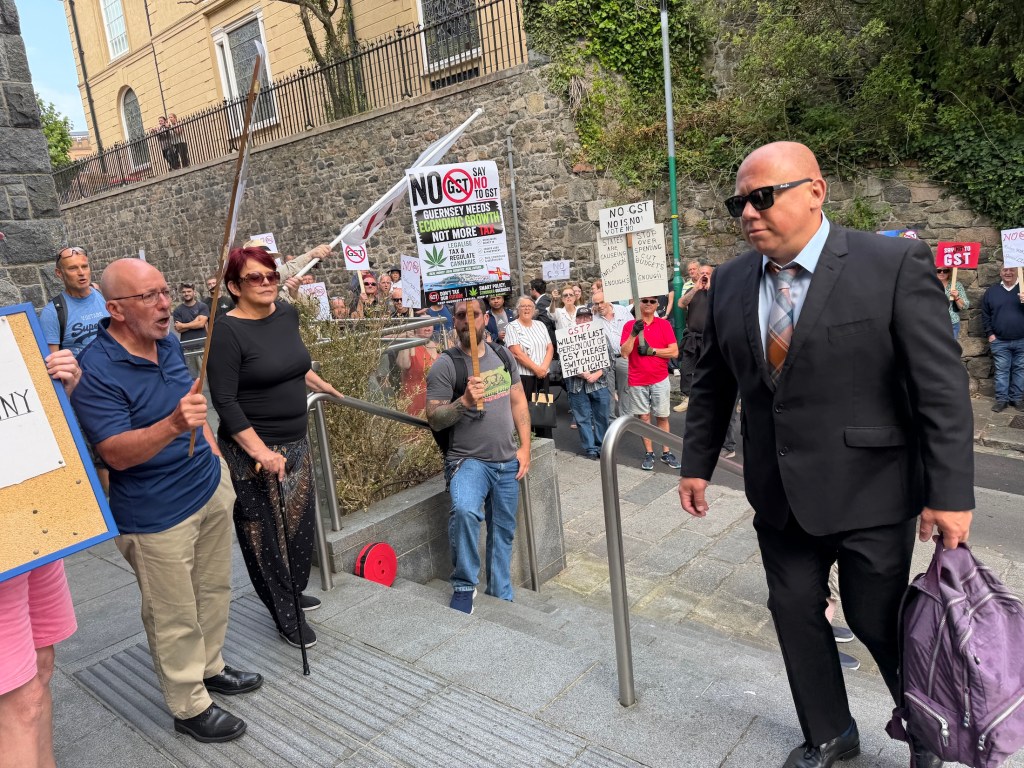
You may oppose GST. You may agree with it.
But the contempt the majority of our elected deputies have shown for democracy – and the public – in the last two days is nothing short of shameful.
P&R has spent months challenging anti-GST deputies to come up with a “credible” alternative to the committee’s proposals.
Many of them spent hours putting together proposals which they honestly believed were credible.
They did it without access to civil servants’ time or to the underlying modelling data which could help demonstrate or disprove their case.
And then the Assembly voted to cut short speeches on the most important debate in generations.
Deputies were given less time to speak on GST alternatives than they were on such vital constitutional issues as ‘Who can drive a charity minibus?’ and updates to the fine print on that pillar of island life, ‘The Cutting of Hedges Ordinance’.
That was bad enough, but what happened next should cause every deputy involved to hang their heads in shame.
They guillotined a series of amendments.
In other words, they refused to even debate the alternatives P&R had demanded.
The guillotine rule exists for a reason.
But that reason is not to kill ideas you don’t agree with.
One deputy even asked the States Greffier not to read out Deputy Goy’s amendments in the chamber – although the new Bailiff overruled them.
To use parliamentary procedure to refuse to even discuss alternatives to the biggest tax reform in living memory is outrageous, undemocratic, and far more dangerous to this island’s future than how much cash we have in our coffers.
Many islanders will conclude that P&R and Forward Guernsey set a precedent this week: If we don’t like your idea, we’ll simply refuse to discuss it.
What should worry us all is not whether GST is a good or bad idea.
Nor is whether we should be reining in spending and cutting out multi-million-pound failures before we raise more taxes.
Reasonable people can agree or disagree on that.
What should worry us is: ‘What happens in future?’
We only need to look to the other side of the Atlantic to see how a once-mighty democracy can begin to founder under a charismatic despot.
What happens if 21 deputies are elected in future who want to ban abortion, roll back civil rights for gay and disabled people, ban public protest, or introduce press censorship?
P&R, Forward Guernsey and those who voted with them risk having given future politicians permission to ignore the rest of the Assembly.
While this is a new low, the disdain P&R has shown for robust democratic debate is not new.
Our most senior politicians – and some of the senior civil servants who (we are told) do their bidding – have refused to answer, and in some cases even acknowledge, basic, reasonable questions from deputies, the public, and the media.
Express has asked dozens of questions over the last few months about P&R’s proposals. So have deputies. So have you.
When we’ve had answers, they’ve often been late and incomplete.
When we’ve had statements, they’ve answered the parts they want to – not that we asked.
And in some cases, they’ve simply refused to even acknowledge the question.
We asked P&R what methodology the GST modelling uses. We’ve asked if we can see the Excel formulas, given we’re told the underlying data is too sensitive to share.
Instead of answers, we got tumbleweed.
P&R hasn’t even acknowledged the questions – let alone explained why it won’t answer them.
We’ve put in Freedom of Information requests asking whether P&R has considered the implementation costs of GST for businesses and been told ‘look it up yourself’. And when we did, the answers weren’t there.
These aren’t matters of national security, they’re sensible, reasonable questions the people putting a policy of this magnitude together should have at their fingertips.
And the members of P&R are not alone in getting annoyed when people ask questions or challenge their authority.
Deputy Ross Le Brun was elected a few months ago on a manifesto that included lots of ideas about improving our roads.
Whether you voted for him or not, it’s undeniable he’s been active since he joined the Assembly, asking lots of questions about this and other areas using the States’ Rule 14 process, and by engaging with the public in the street and on social media.
Environment and Infrastructure (E&I) took the unprecedented decision to publish the time it took civil servants to answer his questions – something no committee had done since Rule 14s were invented.
While E&I President Adrian Gabriel claimed the committee wasn’t trying to discourage Deputy Le Brun, many took it as a sign the powers that be would rather he stopped asking too many awkward questions.
To his credit, Deputy Le Brun was having none of it, defending his right to ask questions on behalf of voters, and saying: “These won’t be the last questions I ask.”
And there are many other examples of a growing authoritarian approach to Guernsey politics.

Many Express readers will be against GST, but many others support it, either begrudgingly or enthusiastically.
This is no longer about GST.
It’s not even about whether our elected politicians listen to us once they’re in power.
This is about the health of our democracy.
The motto of the legendary American newspaper ‘The Washington Post’ is “Democracy dies in darkness“.
After this week, many will fear that – while our democracy may not be dead yet – it is feeling a bit under the weather.
But perhaps it’s important to remember that while a slim majority of our elected politicians chose to try pushing through GST this week ‘at any cost’, a significant minority didn’t.
You can disagree with their alternatives to GST. You can disagree with their opposition to GST.
Perhaps they are wrong in the policies they support.
But maybe they did something far more important this week: kept the candle of democracy flickering.

The Indian spiritual leader Mahatma Gandhi once said: “When I despair, I remember that all through history the ways of truth and love have always won.
“There have been tyrants and murderers, and for a time, they can seem invincible, but in the end, they always fall. Think of it – always.”
There are many reasons to despair this week across the Bailiwick.
But whatever your political persuasion, we should be proud of the stubborn donkeys in the Assembly this week who refused to bow to P&R and Forward Guernsey peer pressure and stood up for democracy.
As Gandhi said: “Even if you are a minority of one, the truth is the truth.”
If you disagree, that’s fine. Let’s debate it.
