


“Democracy dies in darkness” – that’s the motto of ‘The Washington Post’, a newspaper that knows a thing or two about politicians and civil servants being economical with the truth.
It would be wildly unfair to claim the lack of transparency surrounding the GST debate approached the level of a Watergate-style coverup.
But, it’s not overreaching to say lots of people in Guernsey, Herm and Alderney are struggling to trust their elected representatives and senior civil servants – including many from within their own ranks.
Today, 38 Guernsey Deputies and two Alderney Representatives are expected to vote on a once-in-a-generation tax reform package they haven’t been allowed to examine properly.
Policy and Resources (P&R) and senior civil servants have consistently claimed they can’t release the numbers to the public or journalists, citing privacy concerns.
However, many deputies have questioned why they, too, haven’t been given a chance to check P&R’s workings – especially given the data it used is at least seven years old and from before Covid shifted the island’s housing market and spending patterns.
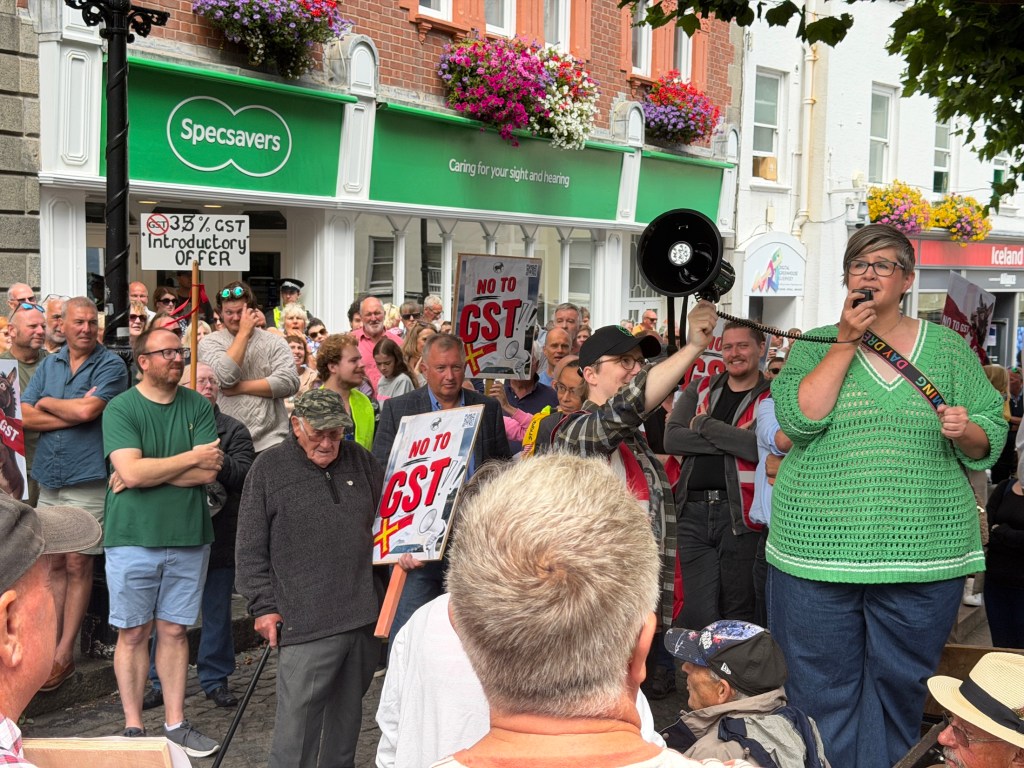
At Sunday’s protest, Deputy Haley Camp criticised the lack of transparency from P&R and the civil service.
Rejecting any suggestion deputies had seen the GST figures, she told the crowd: “We haven’t – we are allowed to see snippets.”
And it’s not just the underlying modelling P&R has been accused of being less than open with.
When Express sent the States a Freedom of Information request asking how much GST would cost to implement we were told to ‘look it up’ ourselves in the tax policy letter – even though it barely answered most of our questions.
On top of this, there has been outrage over P&R’s allegedly inaccurate £8k GST calculator and the bombshell ’emailgate’ revelation that at least one deputy bulk-deleted emails from voters – later recovering them after admitting it was a misjudgement.
Then there’s the long-standing concern that the States lacks fiscal discipline, spending too much money on failed IT and infrastructure projects and what many see as a ‘bloated’ civil service.
Is it any wonder that many States members have argued they don’t have enough information to fairly examine the proposals?
On top of this, and despite P&R asking deputies to come up alternative proposals, the Assembly declined to debate Deputy David Goy’s PIT amendments, a decision Deputy Camp branded “a disgrace”.
Deputy Rhona Humphreys defended the decision, posting on social media that the amendments had been “incorrectly drafted” and that “each one would negate the one proceeding it”.
She said “not voting on them is in the best interest of the whole process”, because of the “drafting error”.
While there may have been procedural reasons for the call, it risks creating the perception of an Assembly unwilling to consider alternatives and determined to do “anything to sell GST“.
That perception is hardly helped by P&R Member Deputy Charles Parkinson – a former opponent of GST – chastising deputies for using their allocated time during the debate, saying: “Sadly, some people think they need to talk for their full 15 minutes.”
The remarks, made during a TV interview, drew criticism from other States members, with Deputy Rob Curgenven saying: “Just because P&R doesn’t want to hear opposing views, it doesn’t mean islanders – or other deputies – feel the same.”
Deputy Curgenven said deputies had a “right” to speak on behalf of voters on “the biggest change to Guernsey’s tax system since the Second World War”.
“It deserves proper scrutiny and serious debate; not complaints from pro-GST that Deputies are using the time they’re entitled to,” he added.

‘Trust gap’
Arguing – ultimately unsuccessfully – to delay the tax reform vote, Deputy Jayne Ozanne told the Assembly the States faced a bigger “trust gap” than its funding gap.
She warned that introducing GST before rebuilding public confidence would deepen division and make future reform harder.
“The central question is not whether GST is the right answer, but whether this is the right moment,” she told the Assembly.
“We can impose GST without trust, but we cannot build a stronger Guernsey without it.”
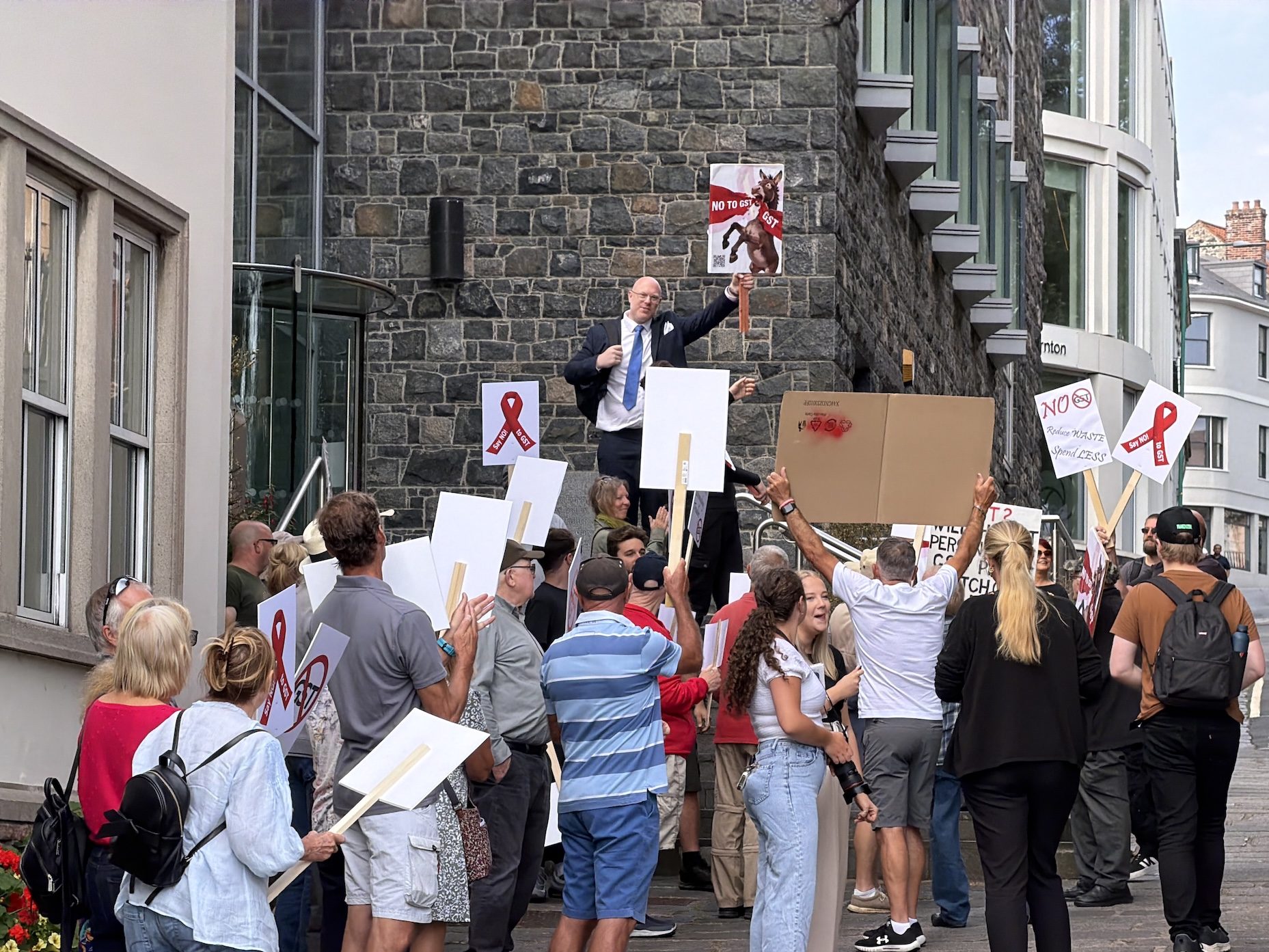
Deputy Curgenven made the point even more forcefully, arguing deputies were being asked to make “the largest tax decision in a generation” without P&R being “able and willing to show its workings”.
He said: “P&R still insists the underlying economic modelling is sound.
“If that is true, where are the tables showing exactly which income groups gain and which lose? Where is the breakdown for pensioners, single parents, and families with children?”
He said the tax proposals rested on “two incredibly shaky pillars”: the ‘flawed’ £8k GST calculator and financial modelling that neither deputies nor the public had been allowed to inspect.
The real question is: why does Policy & Resources still refuse to publish the evidence behind its claims?
Deputy Rob Curgenven
P&R has consistently defended the decision not to share the figures with deputies or the public, citing privacy laws.
P&R Vice President Deputy Yvonne Burford told Express: “We cannot publish the model that calculates the aggregate numbers, because it contains very detailed and extensive individual and household data which is protected by Census and Income Tax legislation.”
Kicking the can down the road
And it’s not just deputies defending the tax reform package.
Supporters argue that “kicking the can down the road” yet again will leave Guernsey in an even worse financial position in a few years – leaving the Bailiwick with an even bigger hole in its finances.
Express reader Rupert Dorey wrote that: “Every year spent debating whether the problem is real is a year not spent building the solution, and in an island ageing as fast as this one, that is a luxury we no longer have.”
The arguments – from both sides – are impassioned and strongly held.
Sunlight is the answer to dealing with these challenges.
Boley Smillie, Head of the Civil Service
But there is a broader issue running through this debate: trust.
The head of Guernsey’s public sector, Boley Smillie, recently acknowledged the scale of the challenges facing government and said the lesson was clear: problems cannot be hidden.
“Sunlight is the answer to dealing with these challenges,” he said.
For critics of the GST proposals, that is precisely what has been missing.
They argue that deputies – and the public – have been asked to accept the conclusions of financial modelling without being allowed to see the evidence behind it.
Voting blind
There are powerful arguments in favour of the tax proposals… and against them.
But one thing is indisputable.
Whichever way deputies vote today, the majority will have done so based on financial projections they haven’t seen that were themselves modelled using data from at least seven years ago.
If the vote goes ahead, then whoever wins there is already one clear loser: Public trust in the States of Guernsey.
The lights may not be out quite yet for democracy in Guernsey, but many will argue they shine a little darker after this week.
